News & Updates

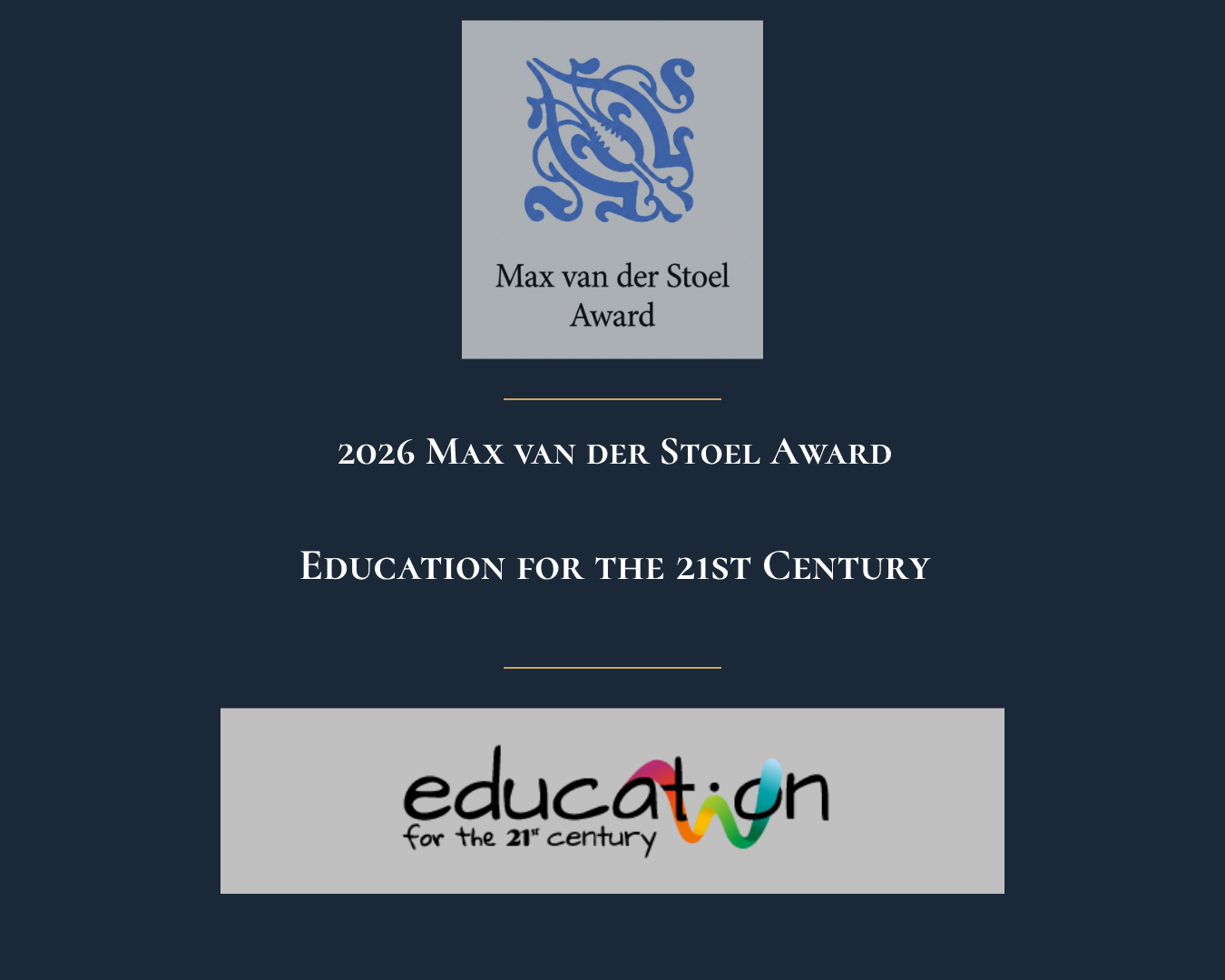
Winner of the 2026 Max van der Stoel Award

Our organization has been selected as the recipient of the Max van der Stoel Award 2026.This prestigious international award recognizes outstanding achievements in improving the position of national minorities across the participating States of the OSCE.We are proud that the international jury has recognized our fifteen years of work promoting inclusive education, intercultural dialogue, critical engagement with history, and social cohesion in Serbia and across the Western Balkans.

The Siena Recommendations by OSCE

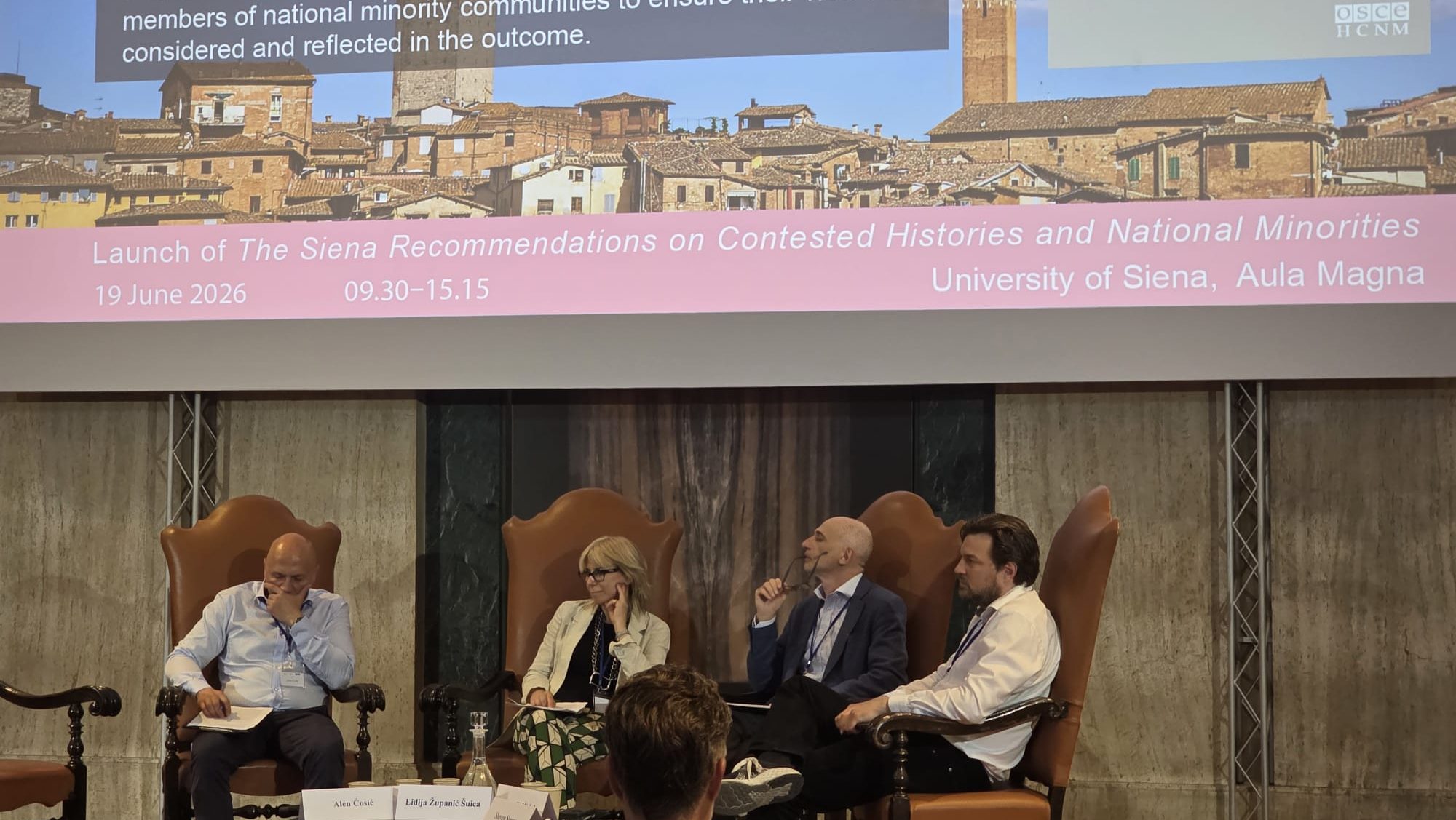
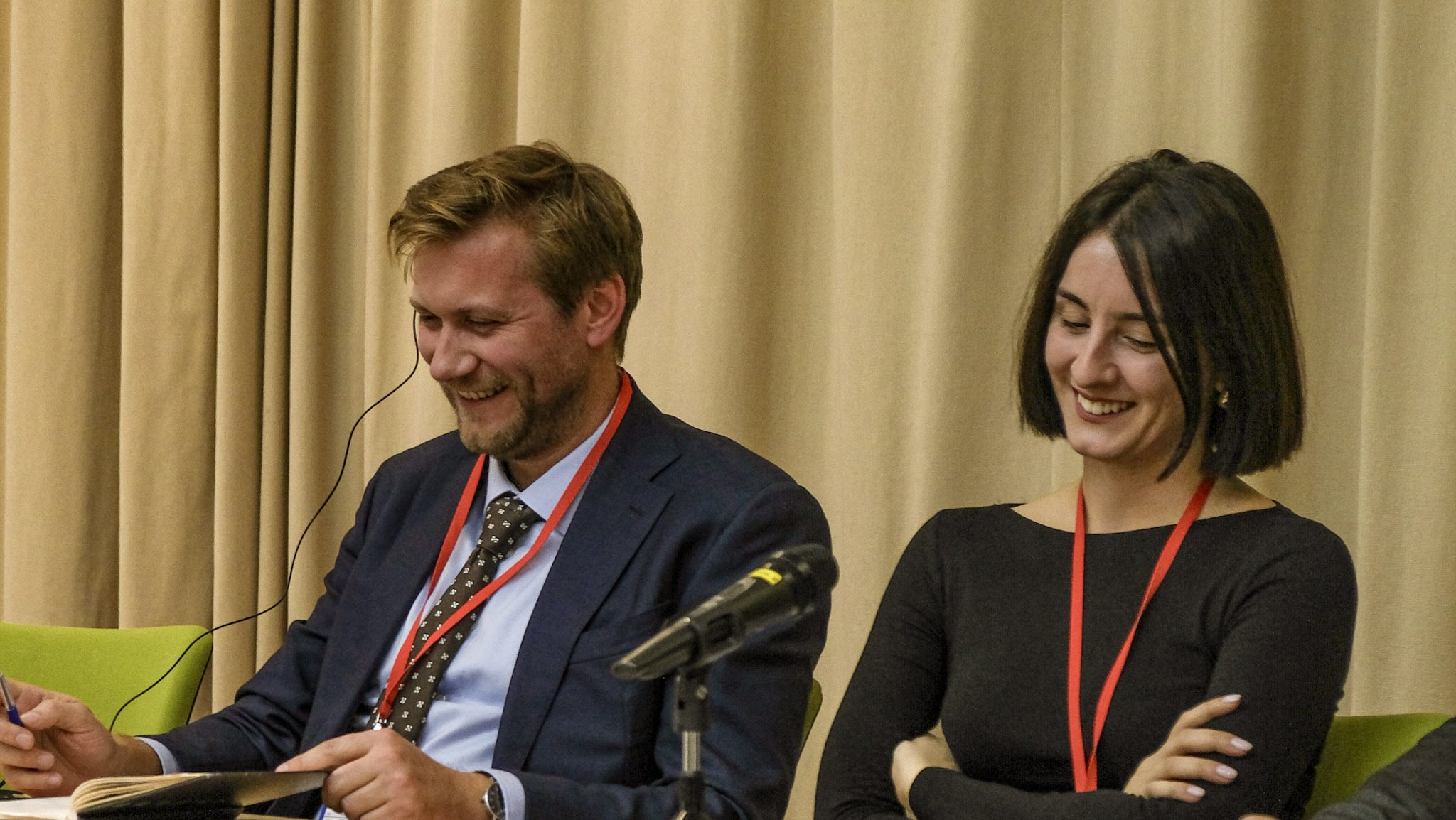
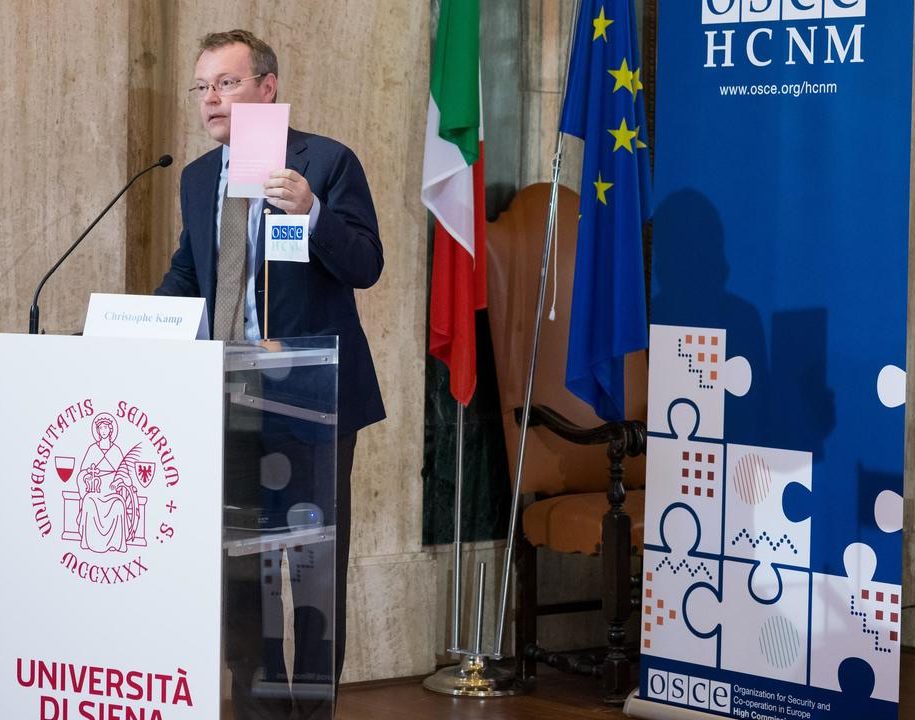
On 19 June 2026, the Siena Recommendations on Contested Histories and National Minorities, developed by the OSCE High Commissioner on National Minorities, were officially launched in Siena, Italy.We participated in the panel discussion “The Siena Recommendations in Practice: Contributing to the Integration of Diverse Societies”, which focused on the practical application of the Recommendations in the fields of remembrance culture, public spaces, and education.The Siena Recommendations provide guidance on addressing contested historical narratives in a responsible manner and on promoting dialogue, inclusion, and social cohesion in multi-ethnic societies.

EuroClio Annual Conference: History and Hope

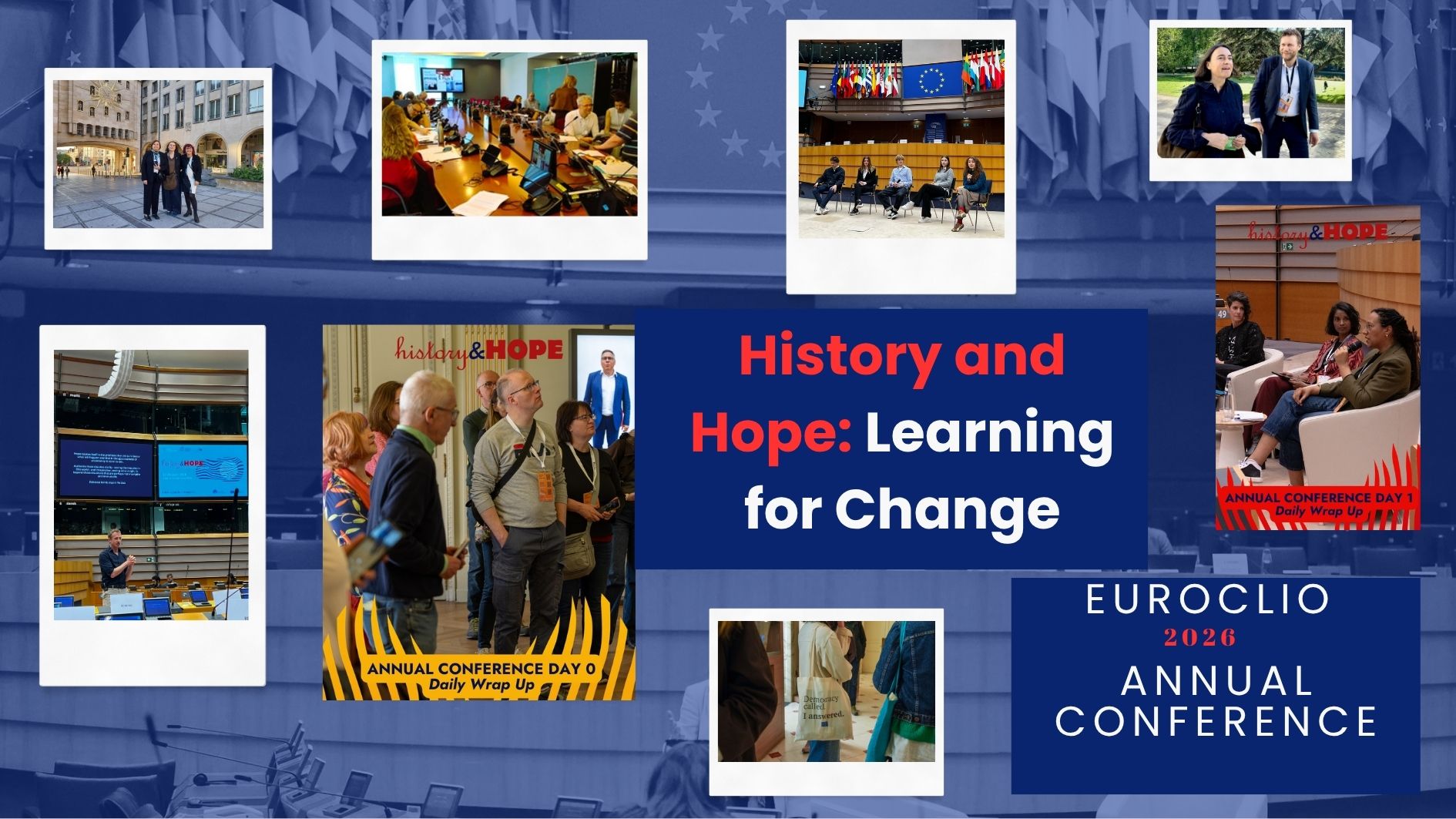
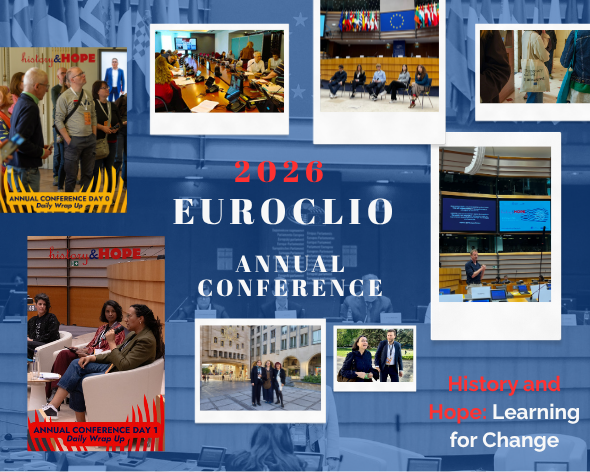
At the annual EuroClio conference “History and Hope: Learning for Change”, the workshop “Whose Memory Counts? Monuments, Controversy and Under-Representation” took place. The facilitators were Vassilki Yiannou and Lidija Županic Šuica. The workshop explored how monuments and invisible communities shaped public memory through debates and creative tasks, fostering an inclusive and democratic approach to remembrance.

Workshop at Museum90

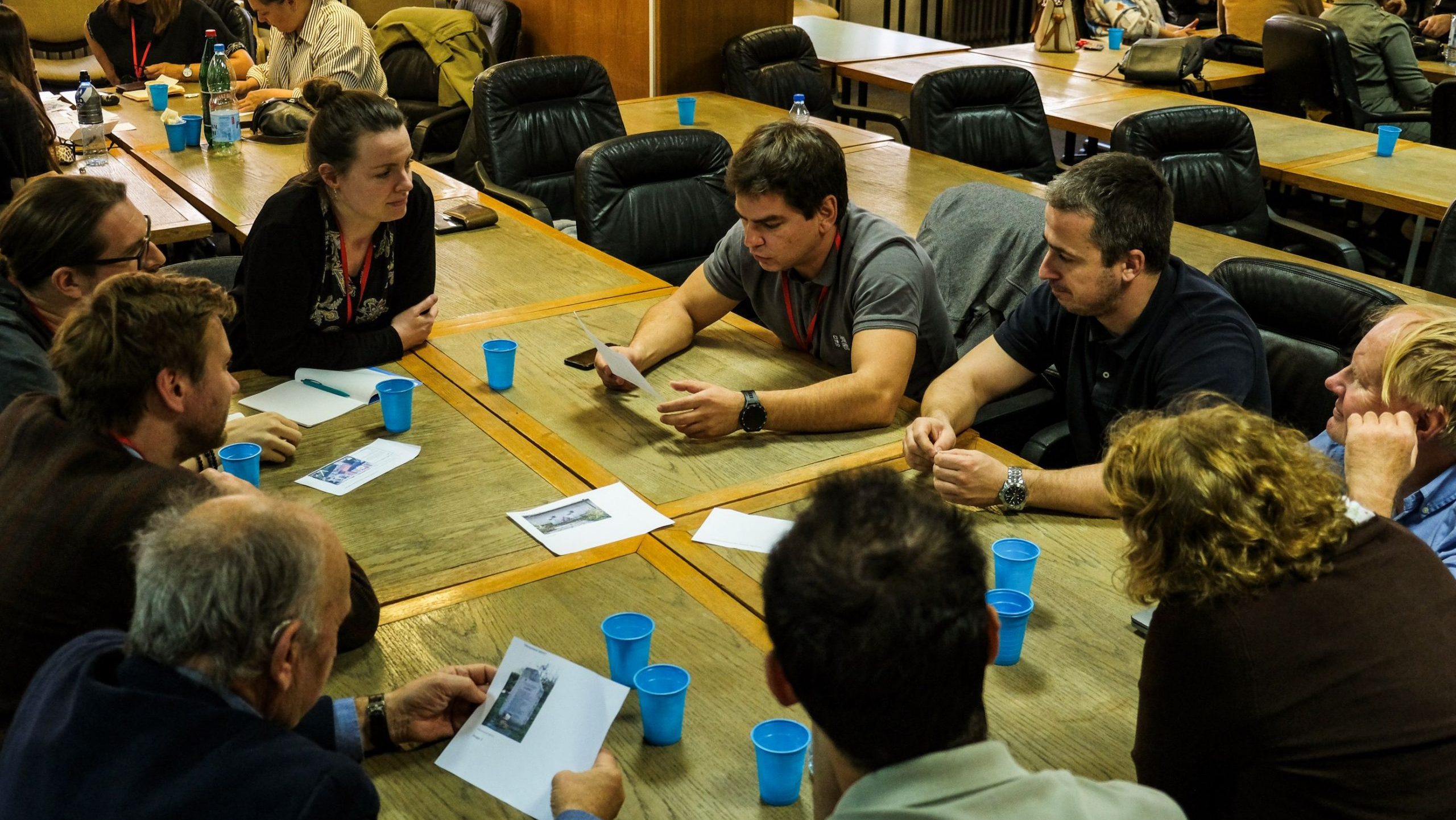
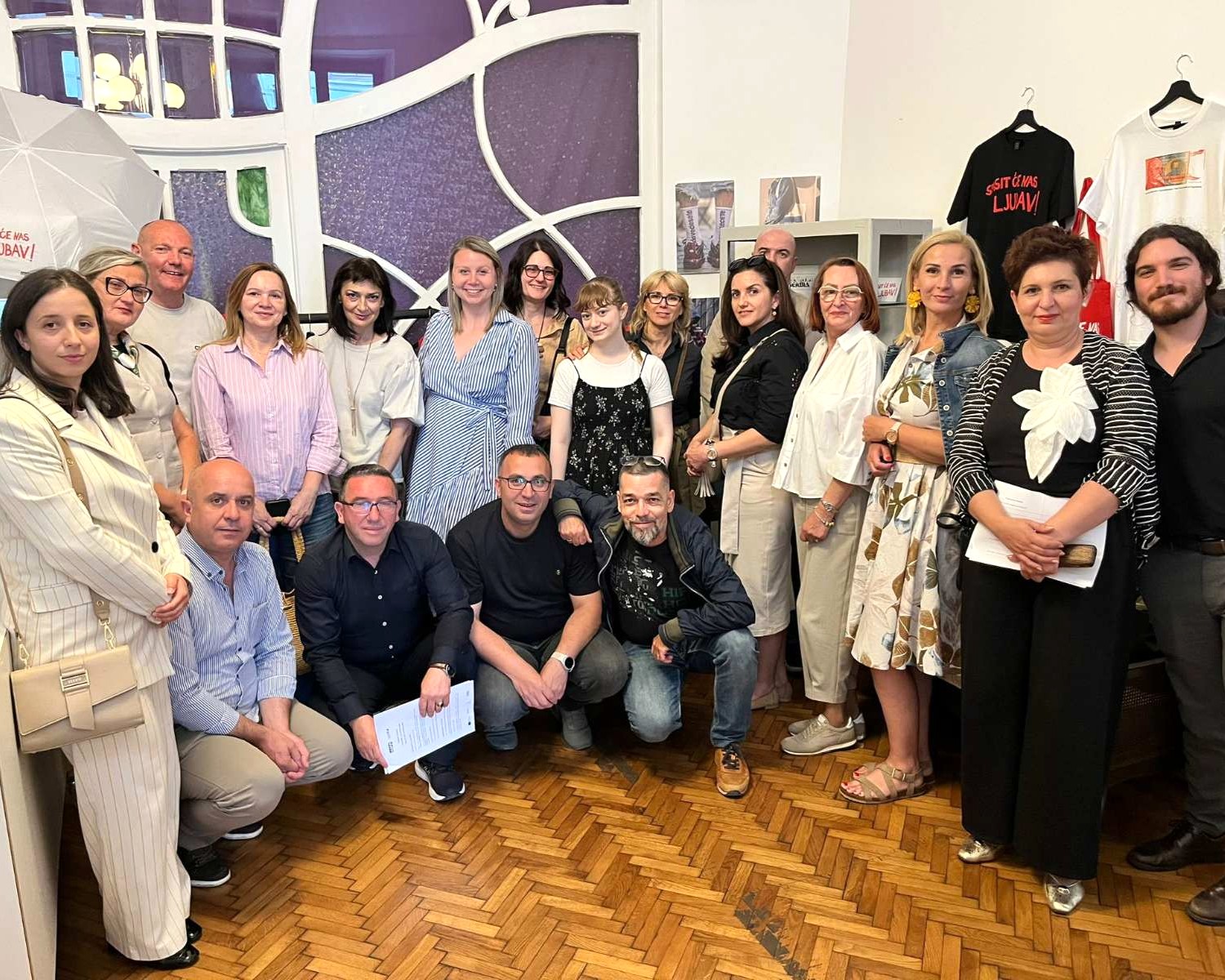
From 12 to 14 June, Belgrade hosted the educational workshop “Museum of the 1990s – A New Approach to Learning”, bringing together teachers from Bosnia and Herzegovina, Kosovo* and Serbia. The workshop was organized in partnership between the Museum of the 1990s and Education for the 21st Century. In addition to working with the “Labyrinth of the 1990s” exhibition, participants had the opportunity to explore a range of teaching activities and methodologies for addressing sensitive and controversial topics in the classroom.Through the analysis of monuments, work with visual sources, the exploration of multiple perspectives, and field-based learning, we discussed how public space is used to convey political messages and present different interpretations of the past.

The Ratiu Forum History Workshop

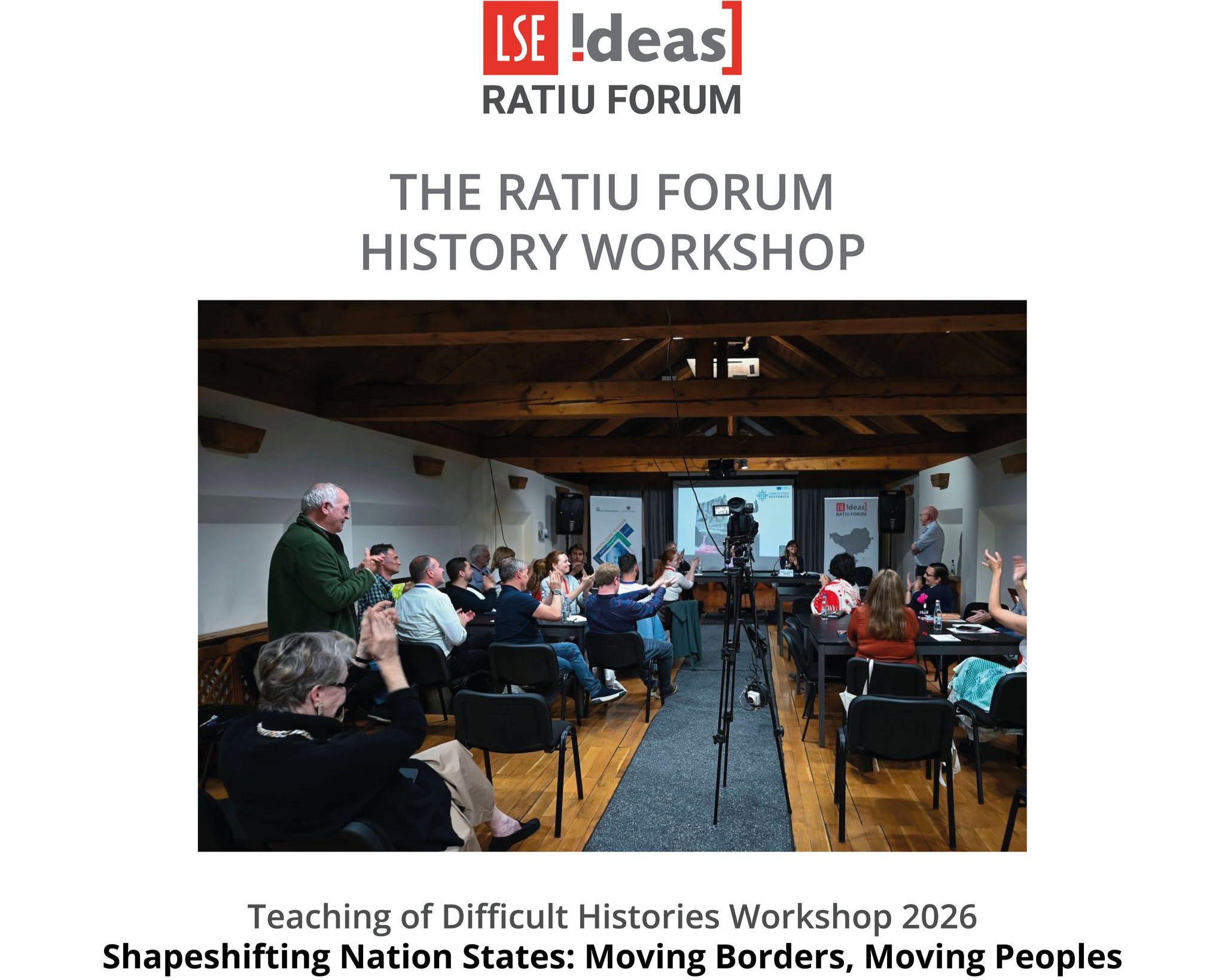
This year, from 15–16 May 2026, we participated in the History Teaching Workshop titled “Shapeshifting Nation States: Moving Borders, Moving Peoples” at the Ratiu Democracy Centre in Turda, Romania. The workshop brought together motivated high school History teachers and university students studying History from Romania, Moldova, and Serbia. Participants engaged with difficult aspects of history in a more critical and complex way, while also developing their didactic skills.

The Open Forum in Sofia

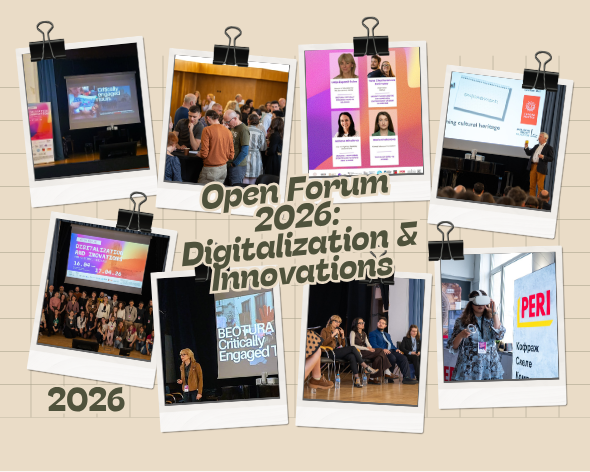
The Open Forum “Digitalization and Innovation for Cultural Heritage” brought together  35 speakers from 10 countries across Europe who explore how digital technologies can transform the preservation and presentation of cultural heritage from April 15 to 17. Organized by the Buzludzha Project Foundation on the occasion of the International Day for Monuments and Sites, the fourth edition of the forum explores the relationship between heritage and technology. At the forum, our Beotura project was presented through a showcase of critically engaged tours.

IV Belgrade Symposium on History Teaching

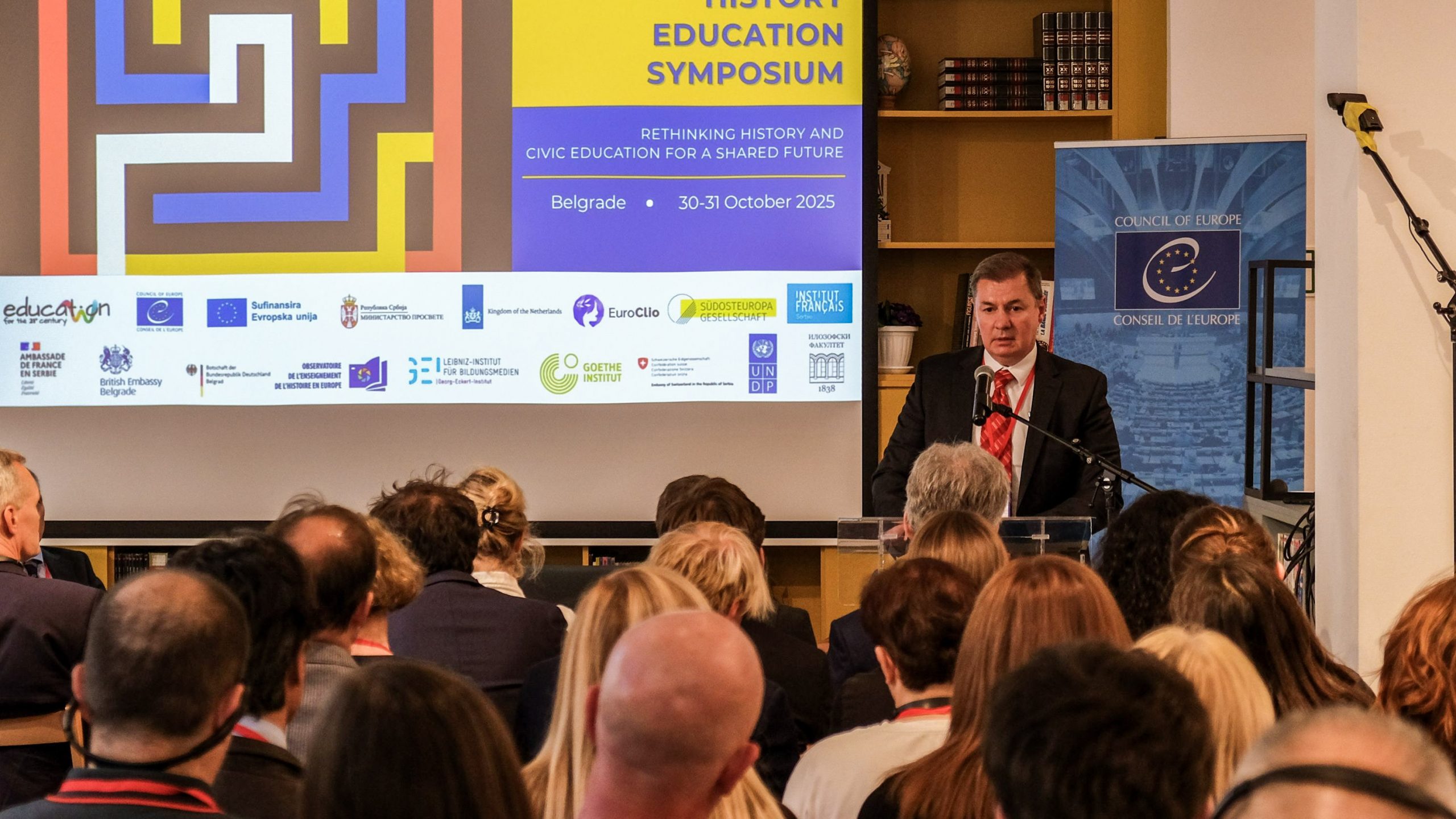
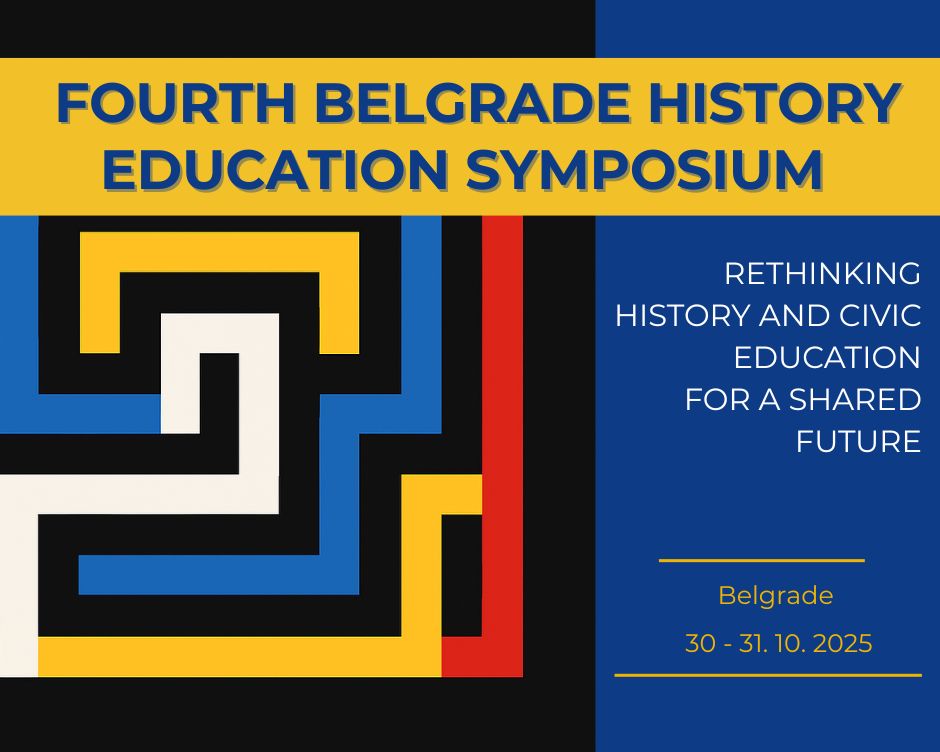
Belgrade was once again the venue of an inspiring symposium on history teaching, titled “Rethinking History and Civic Education for a Shared Future,” which took place on October 30–31, 2025. Experts and specialists from different parts of the world gathered in our city to exchange innovative practices in history teaching. For the past three years, this symposium had been an indispensable event for everyone engaged in history education. Held at various locations across Belgrade, the symposium also included engaging study visits for participants, offering diverse perspectives on cultural and historical heritage.

Council of Europe Award for Beotura

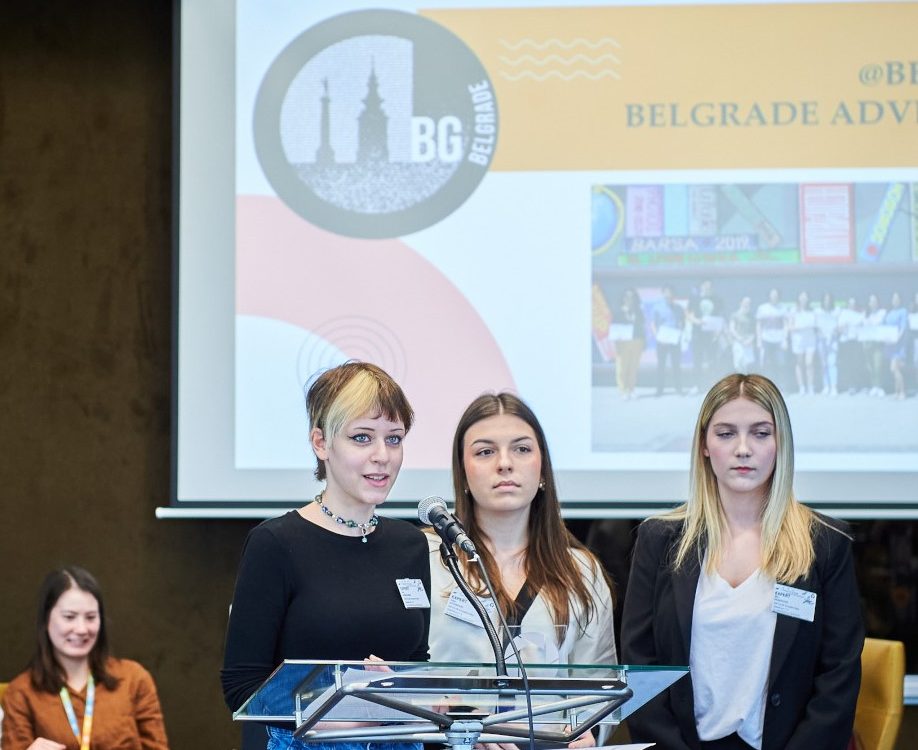
The HISTOLAB Award for Innovative School Projects in History Education, presented by the Council of Europe, recognized eight outstanding schools and educational initiatives from France, Ireland, Serbia, Spain, and Türkiye. Among the award recipients was Beotura from Serbia. Students and teachers from the winning projects received their awards during the HISTOLAB European History Education Innovation Days 2024, an international event that brought together history educators, researchers, practitioners, young professionals, and students to exchange ideas, showcase innovative practices, and explore new approaches to history education.

Beyond the Classroom

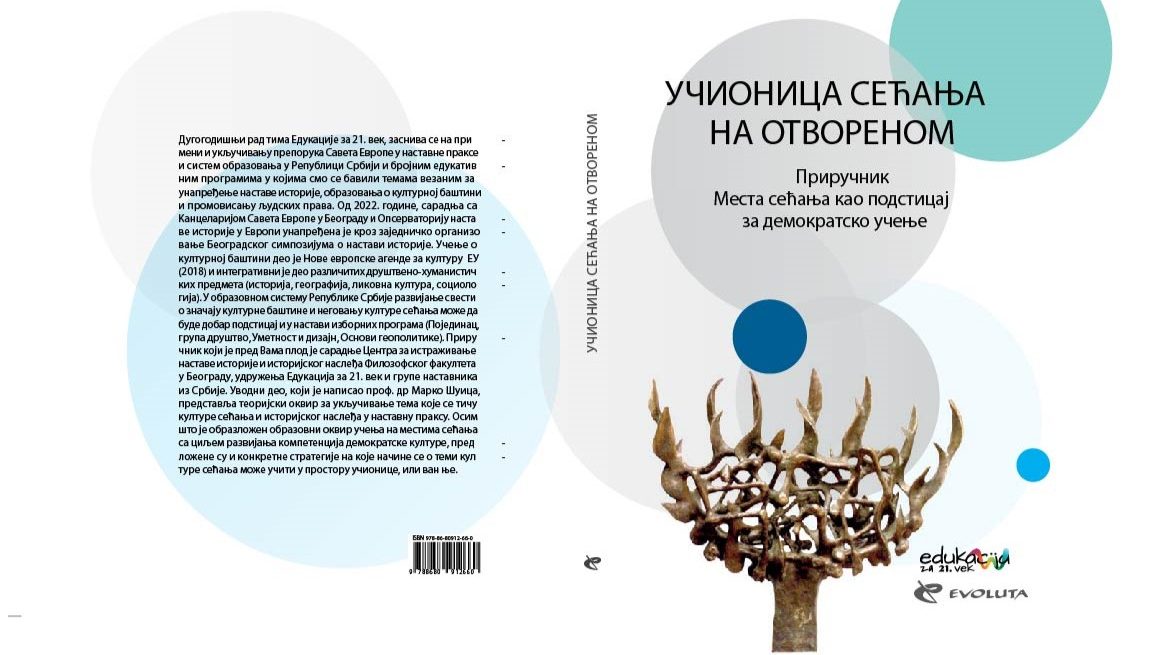
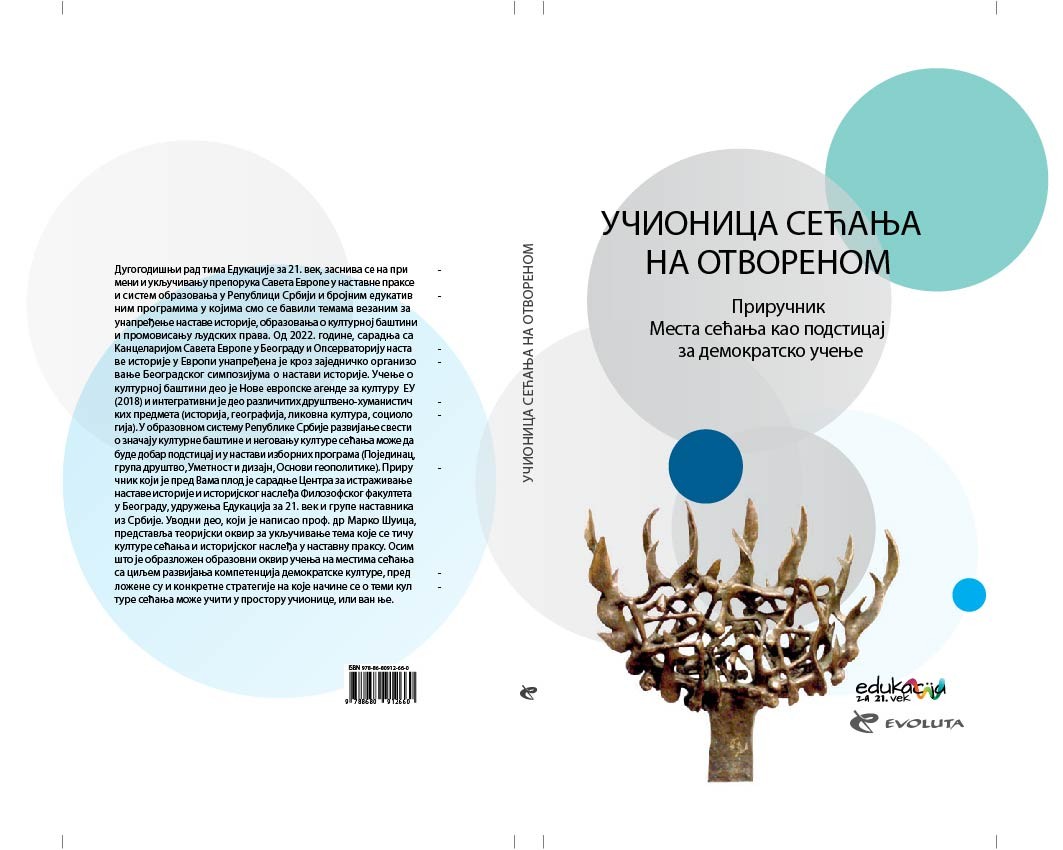
Learning about the past becomes far more meaningful when it moves beyond the classroom and into places where history was lived, remembered, and contested. The Onsite Remembrances Toolkit offers innovative learning scenarios, practical activities, and inquiry-based approaches that help students engage critically with sites of memory while developing democratic competences, and historical thinking skills.The toolkit encourages learners to explore whose stories are remembered, whose voices are missing, and how different communities experience and interpret the past. Particular attention is given to perspectives that are often overlooked in dominant historical narratives, including those of national minorities, women, and other marginalized groups.

Pratite nas na društvenim mrežama

Budite u toku sa našim aktivnostima