NEW GENERATIONS CONTESTING OLD TROUBLES
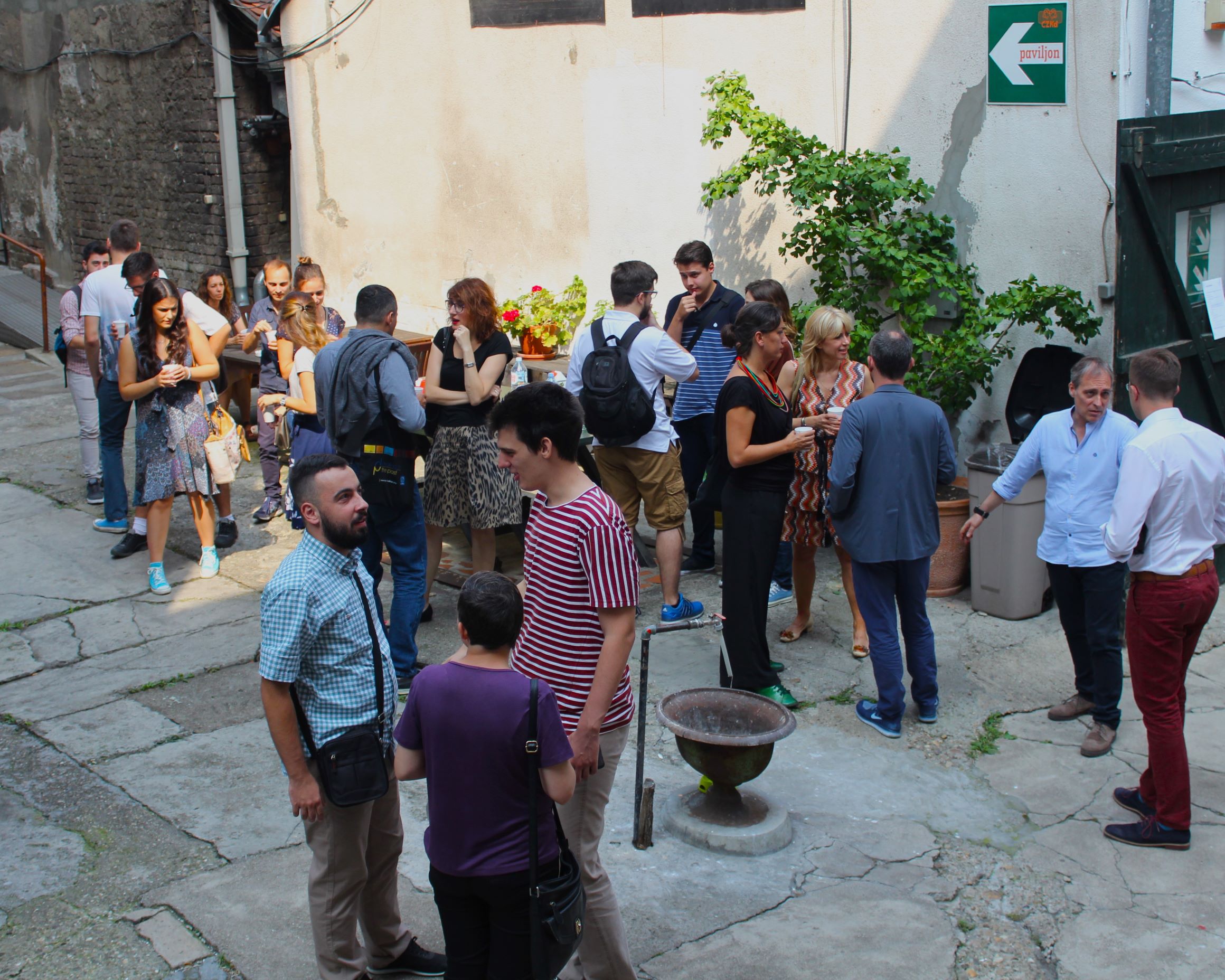
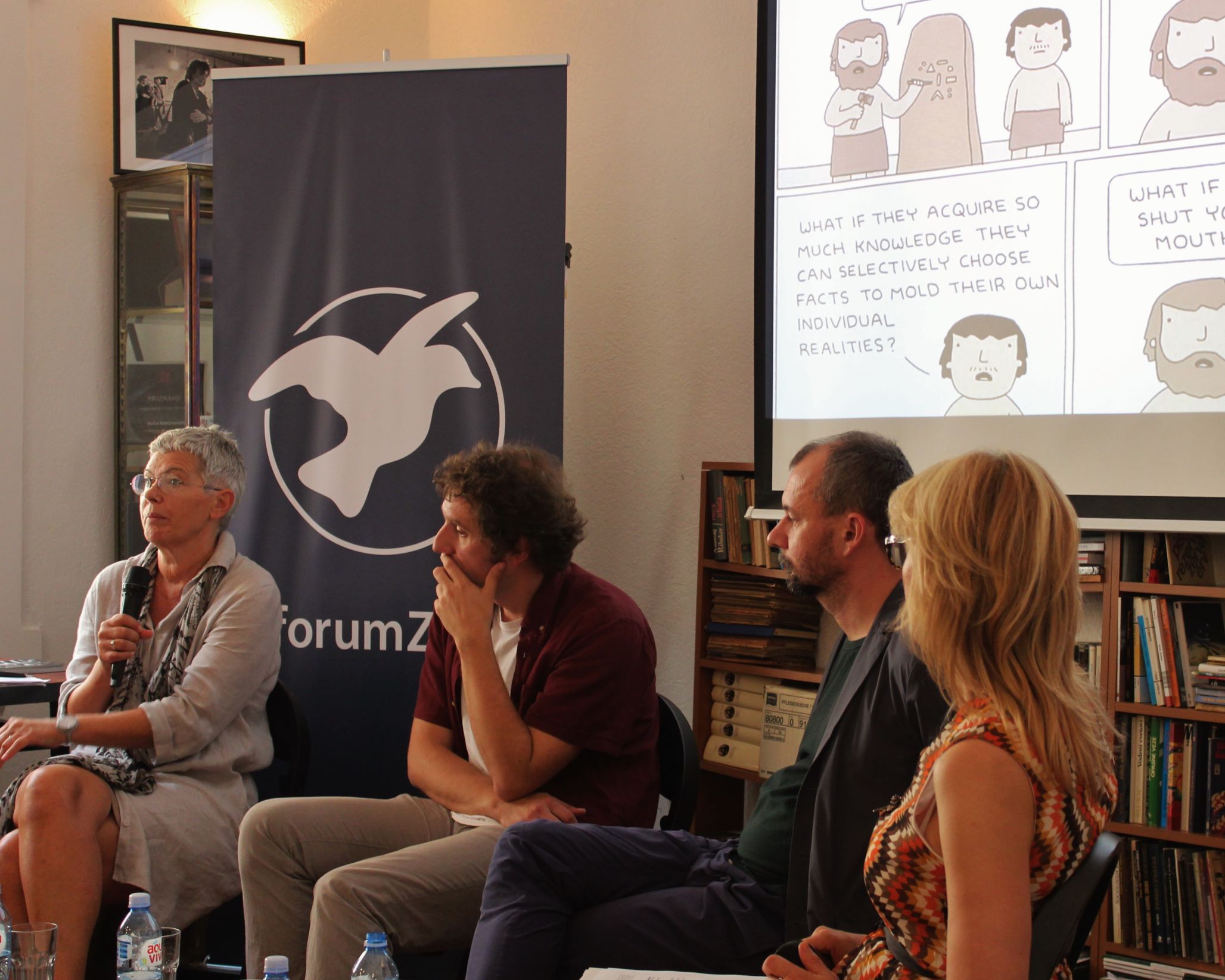
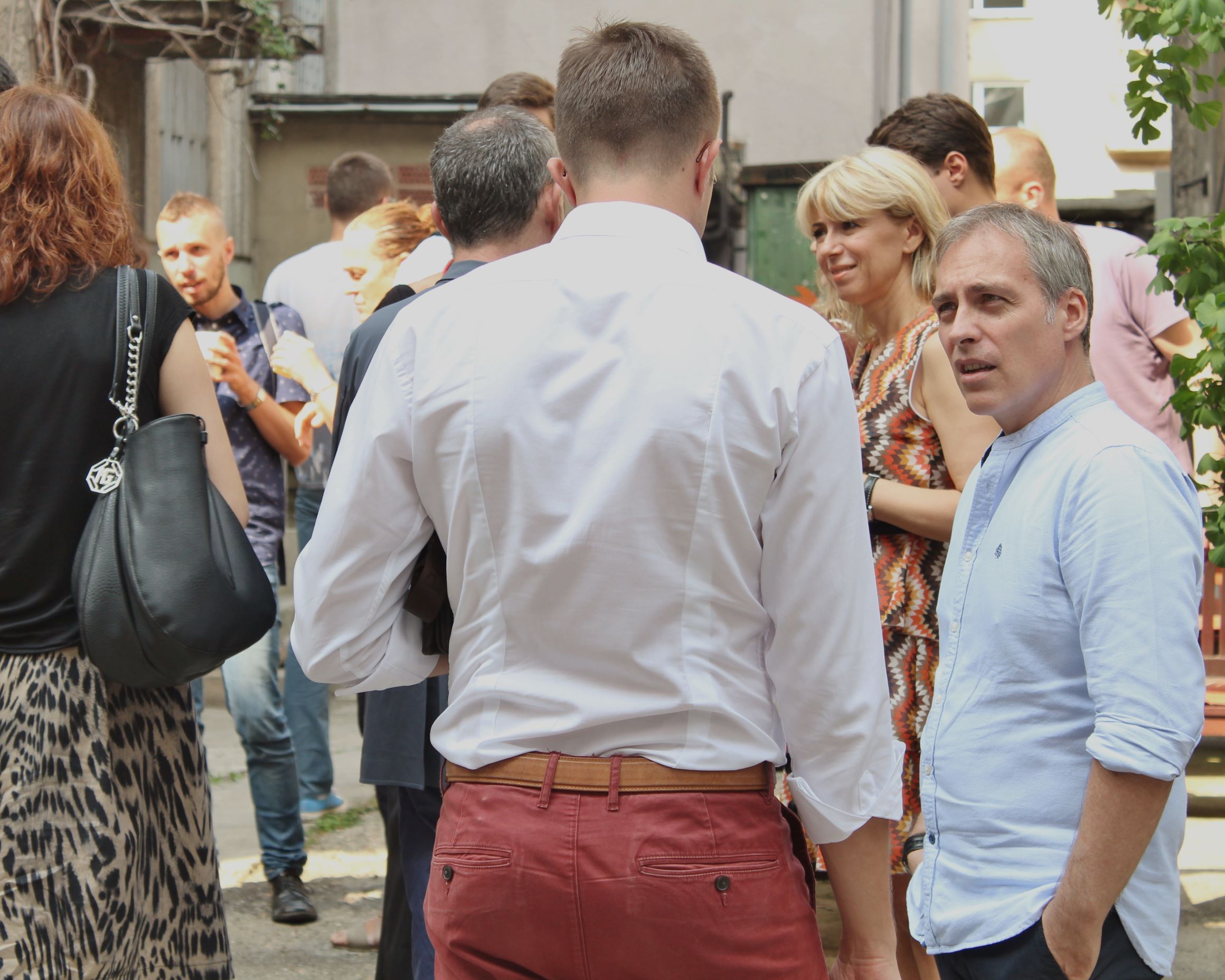
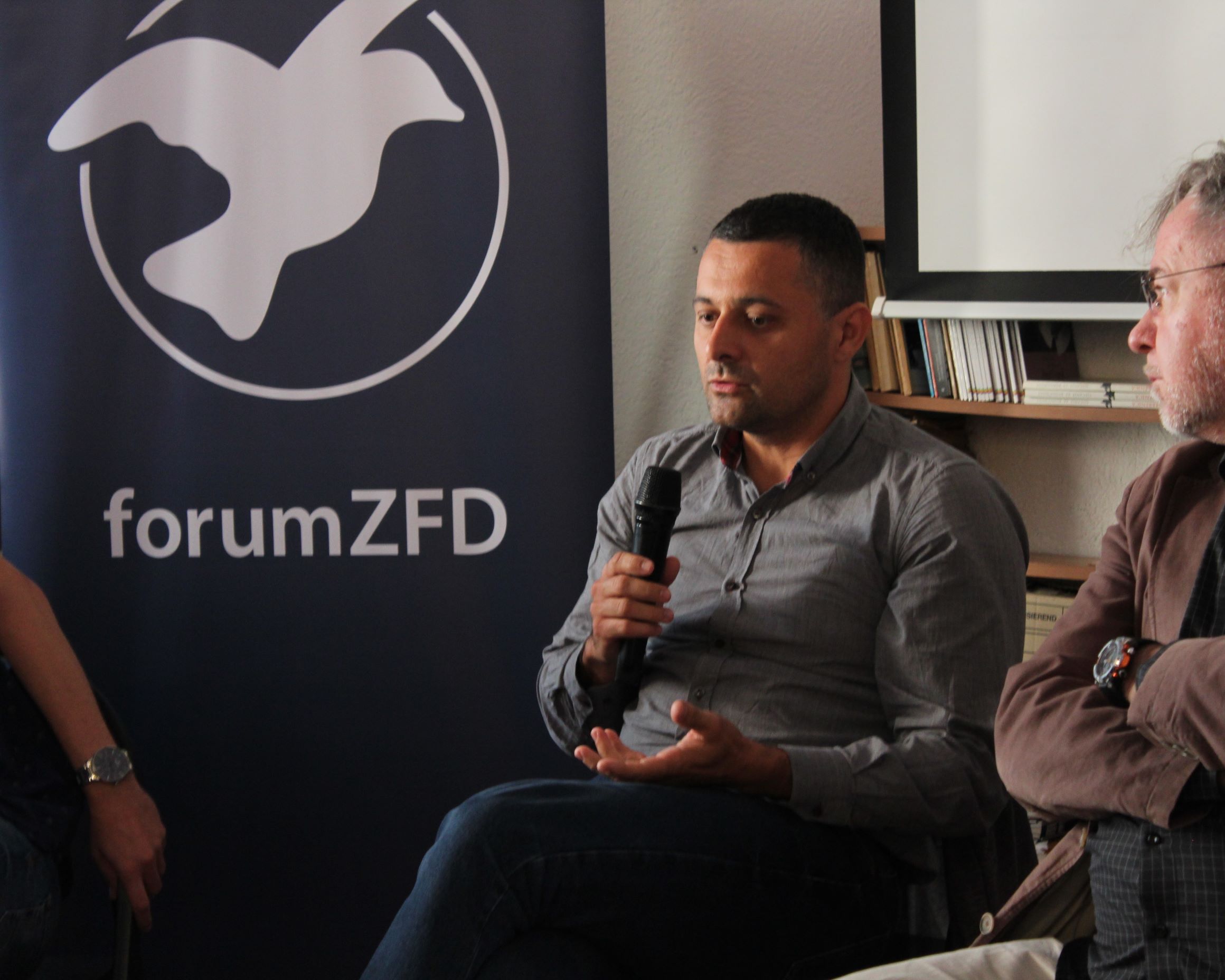
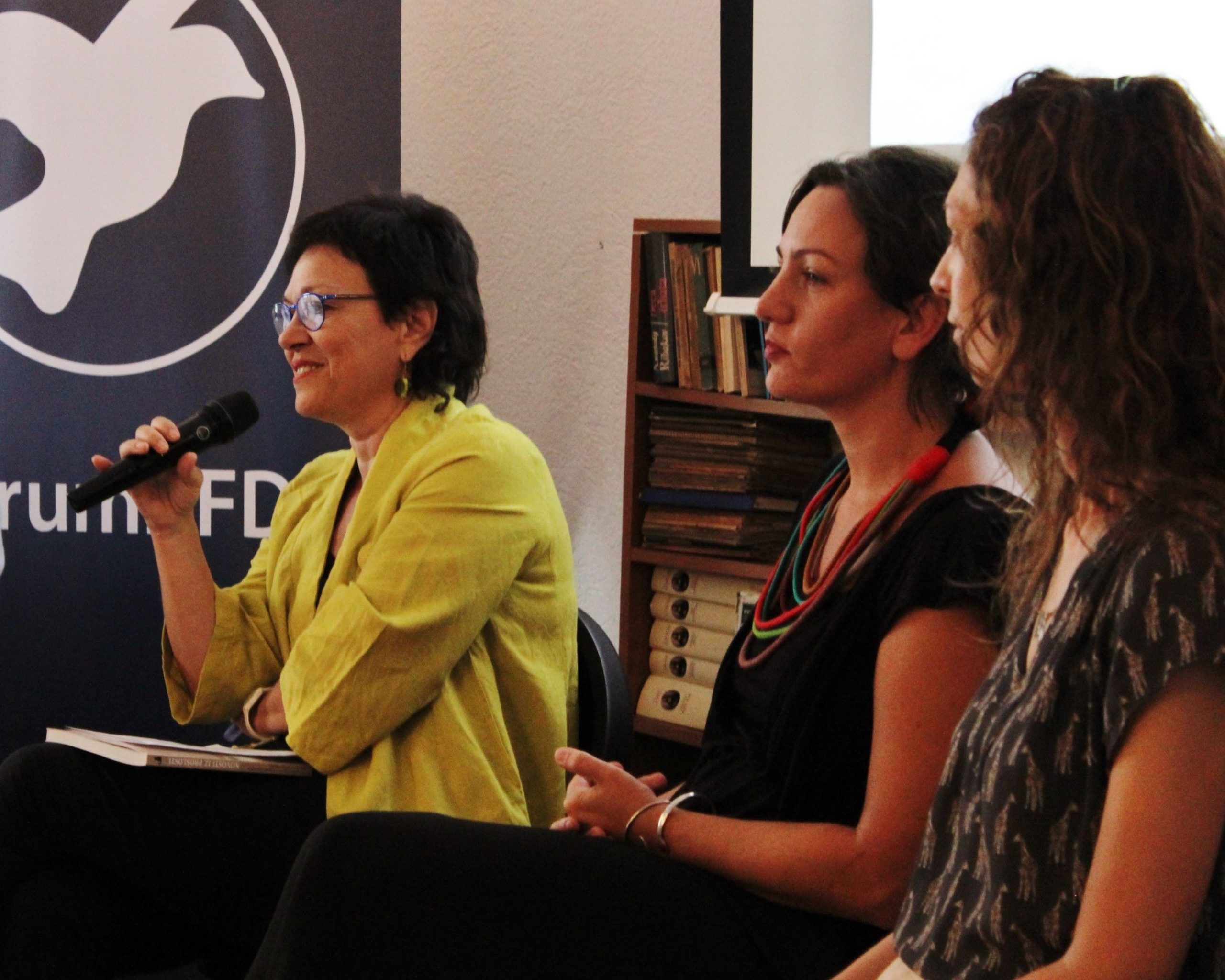
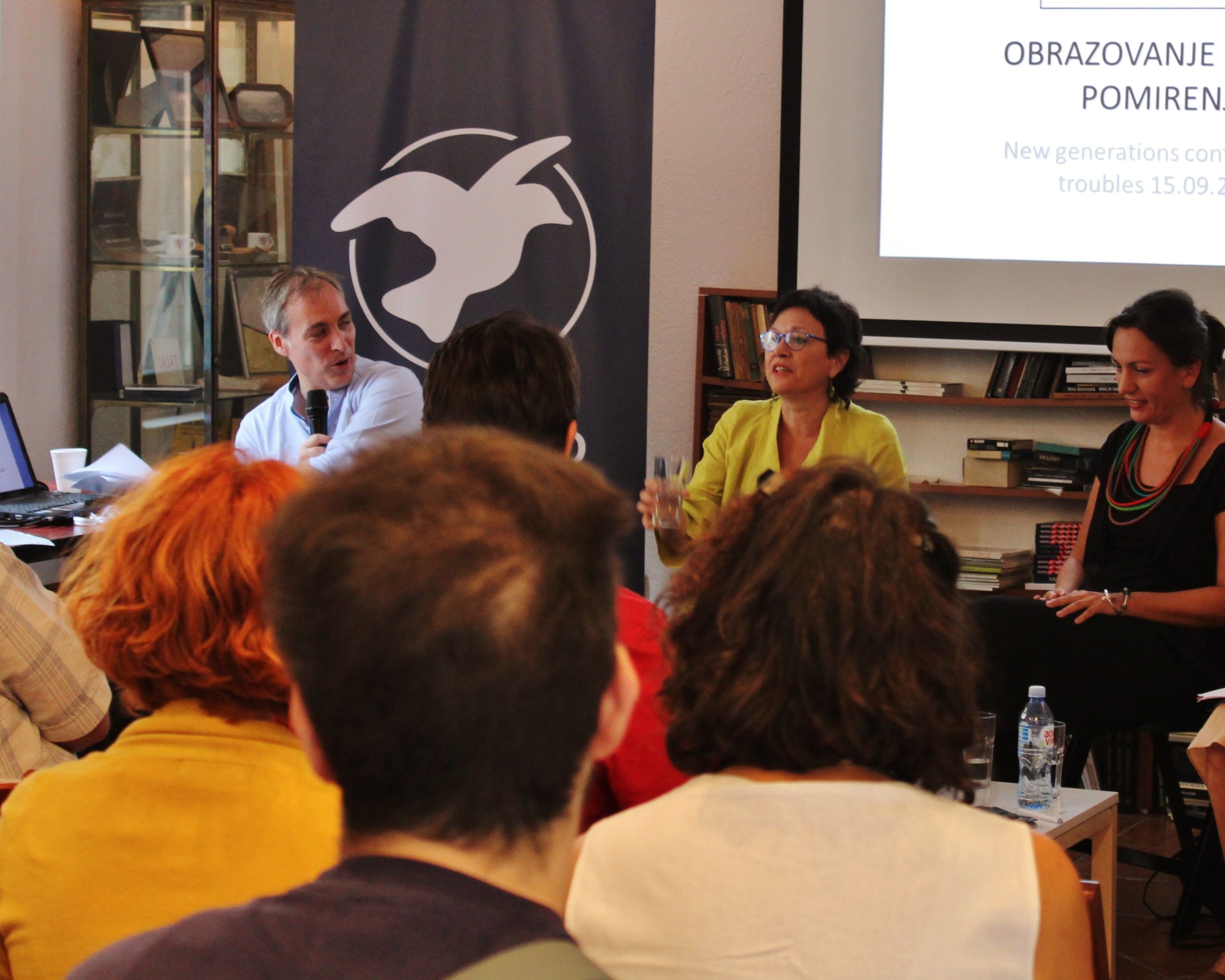
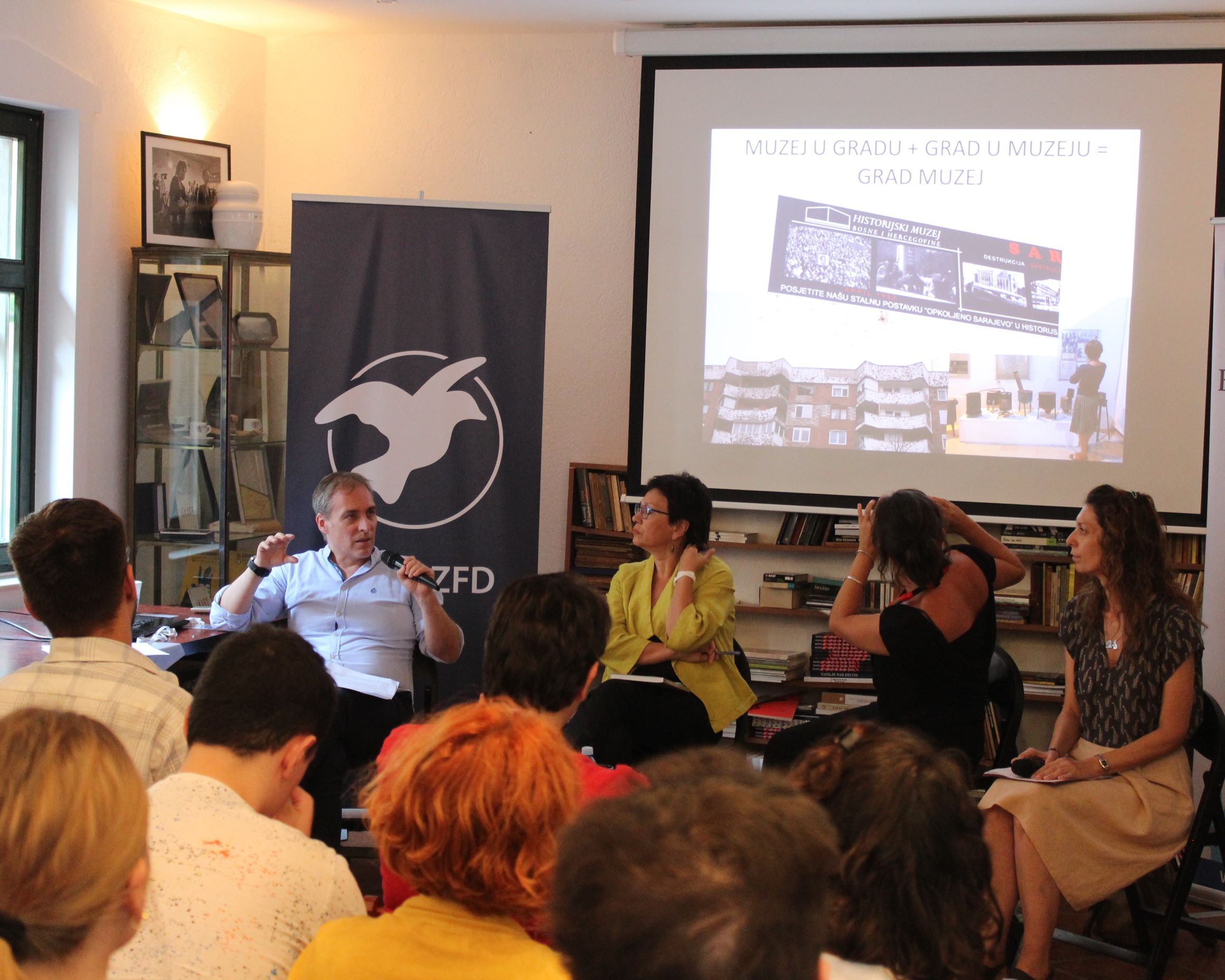
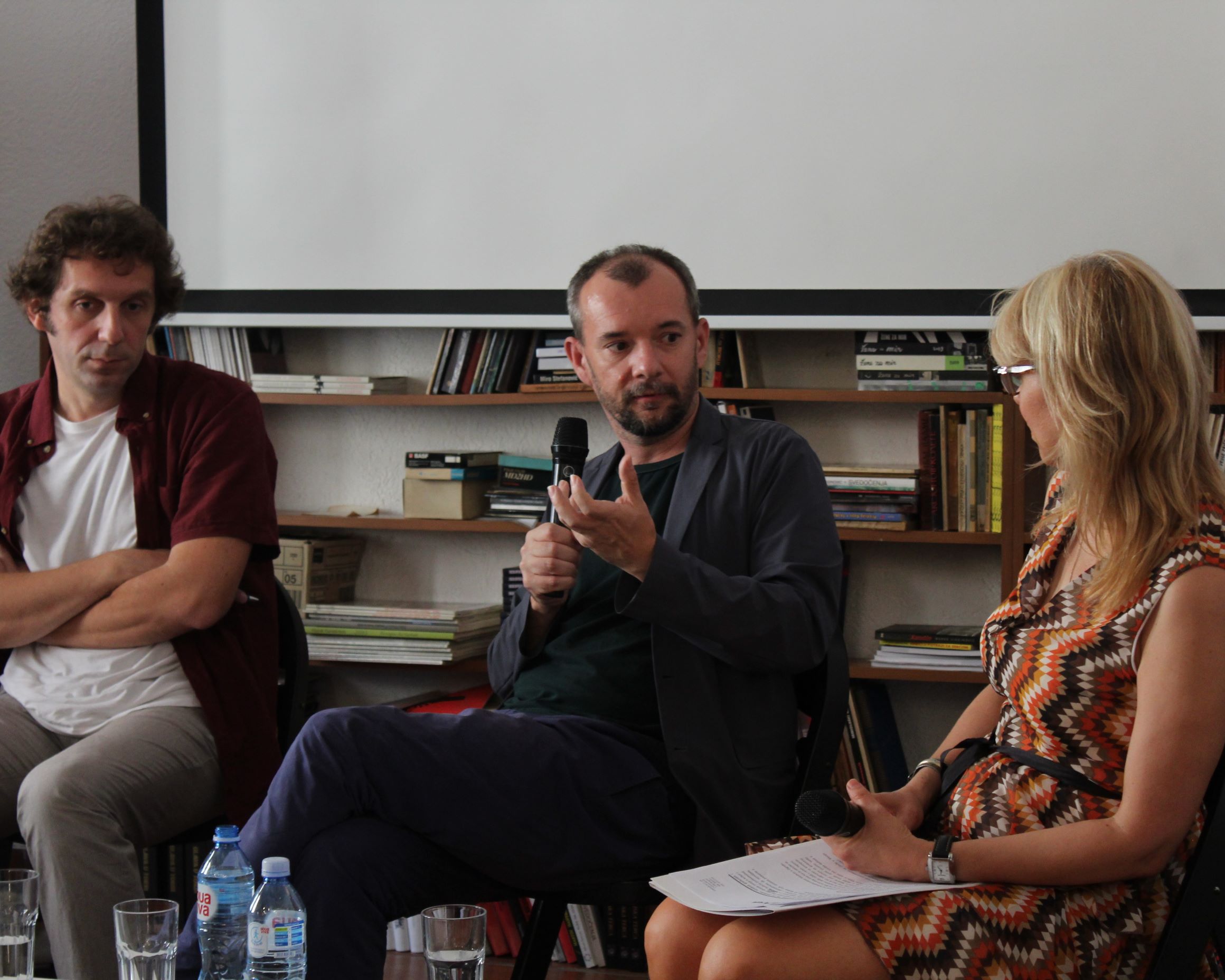
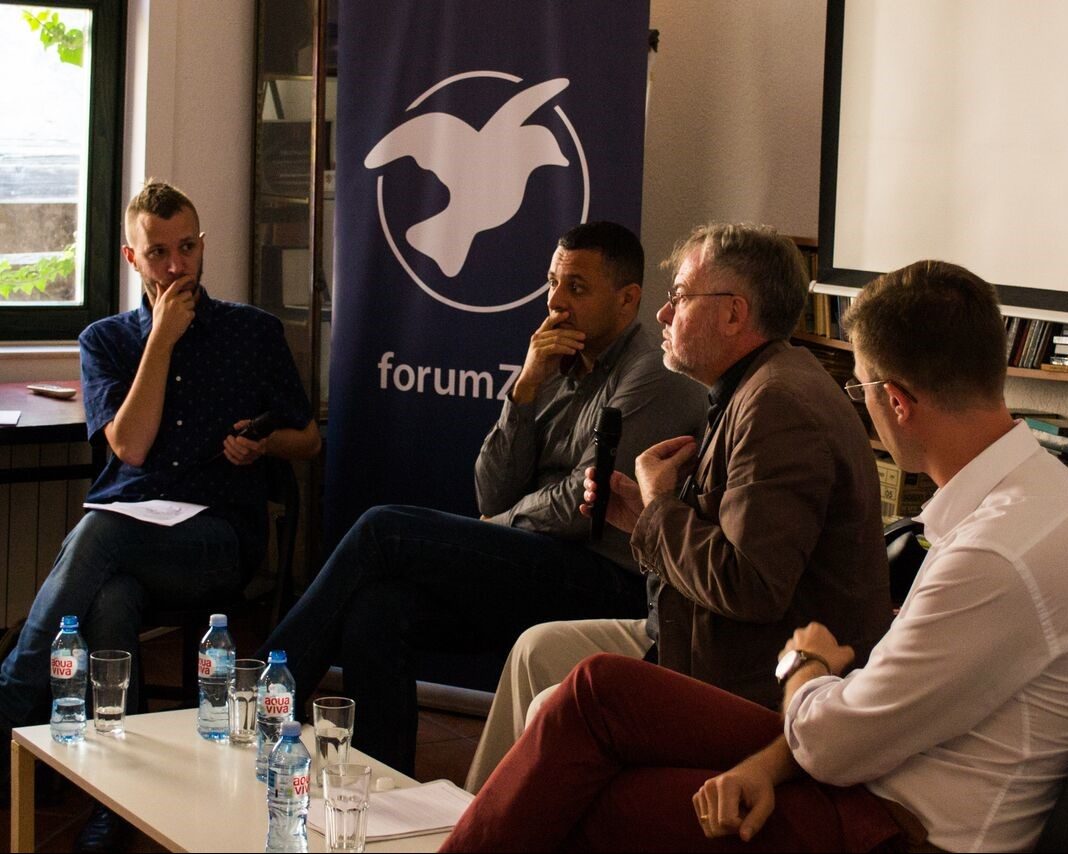
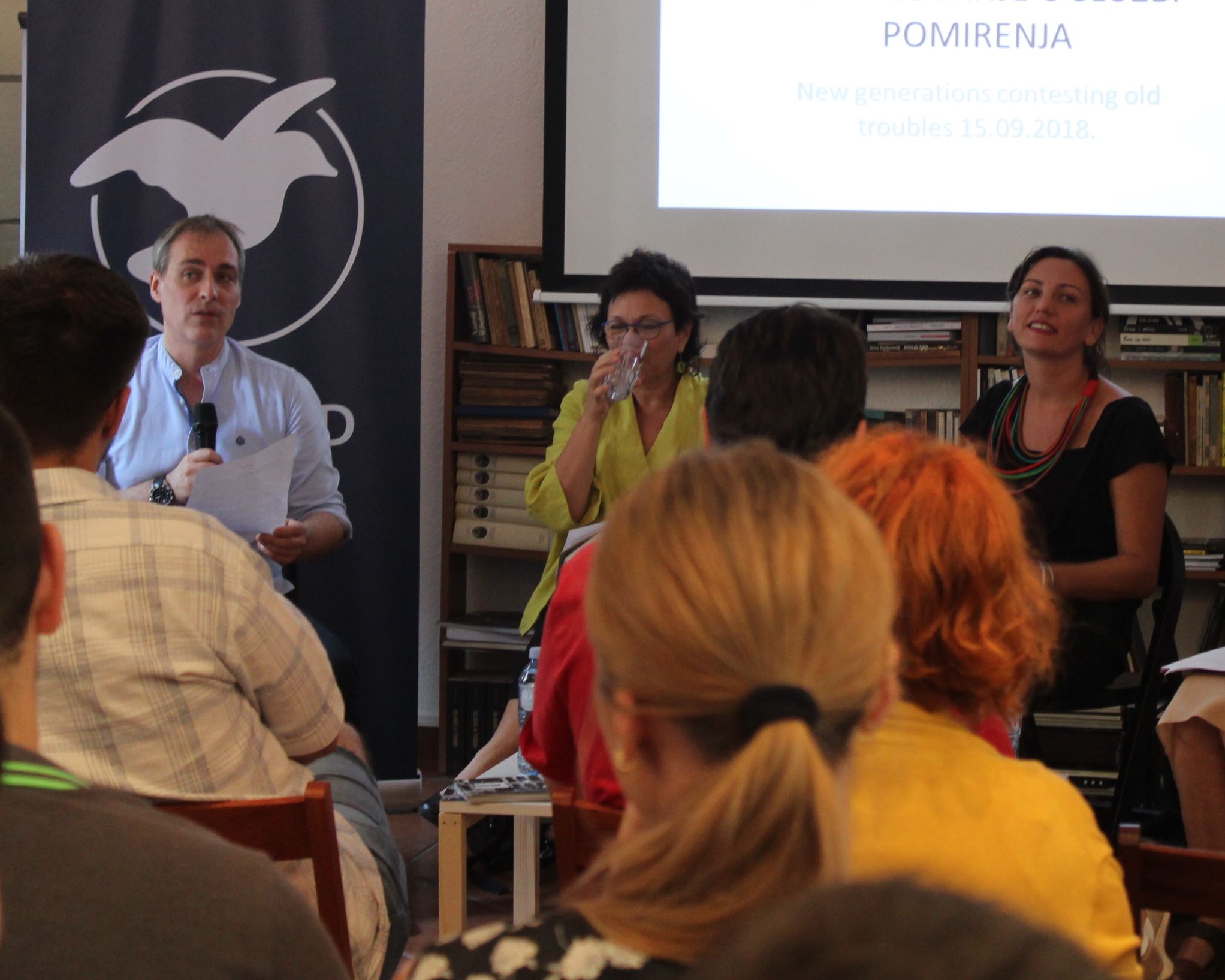
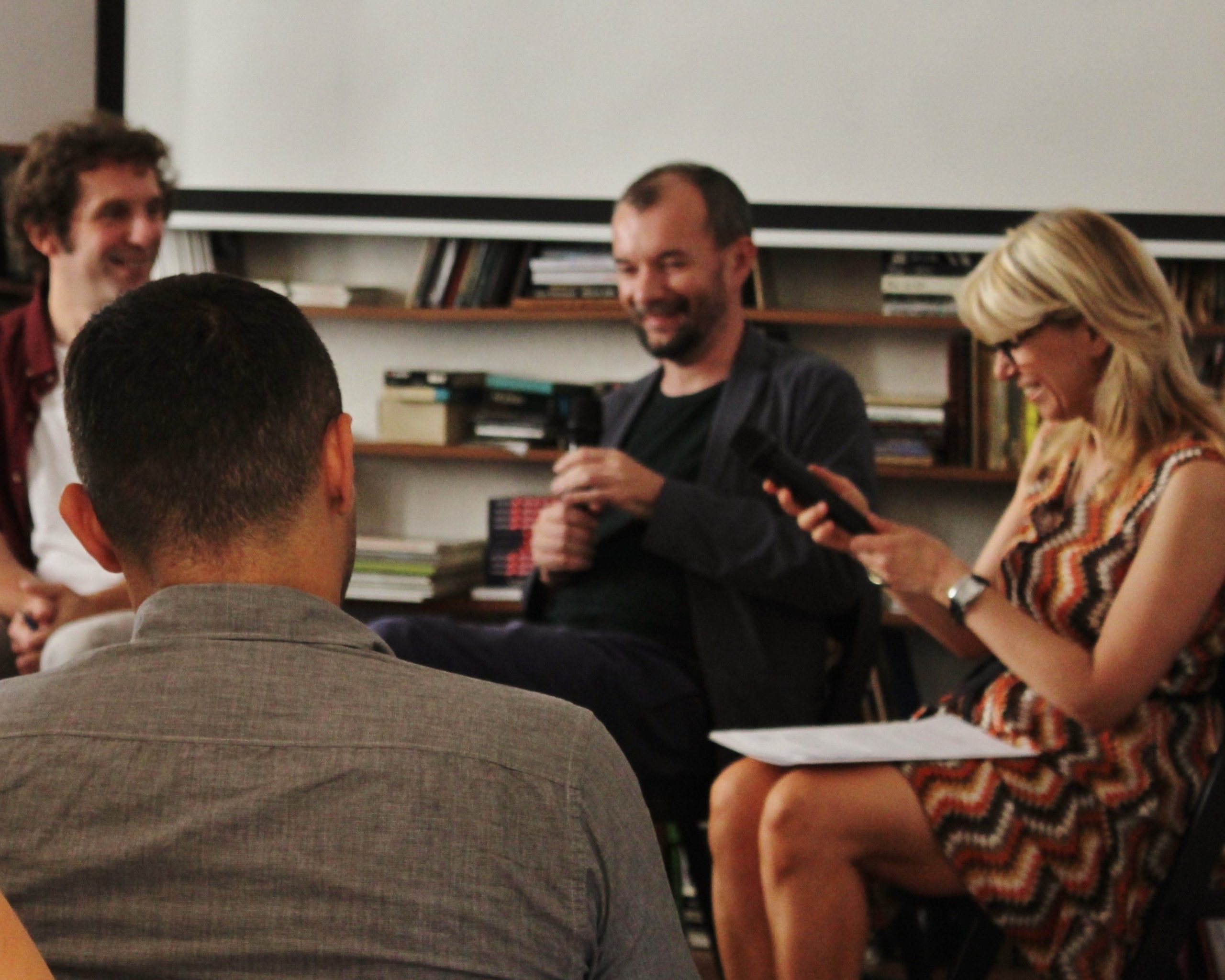
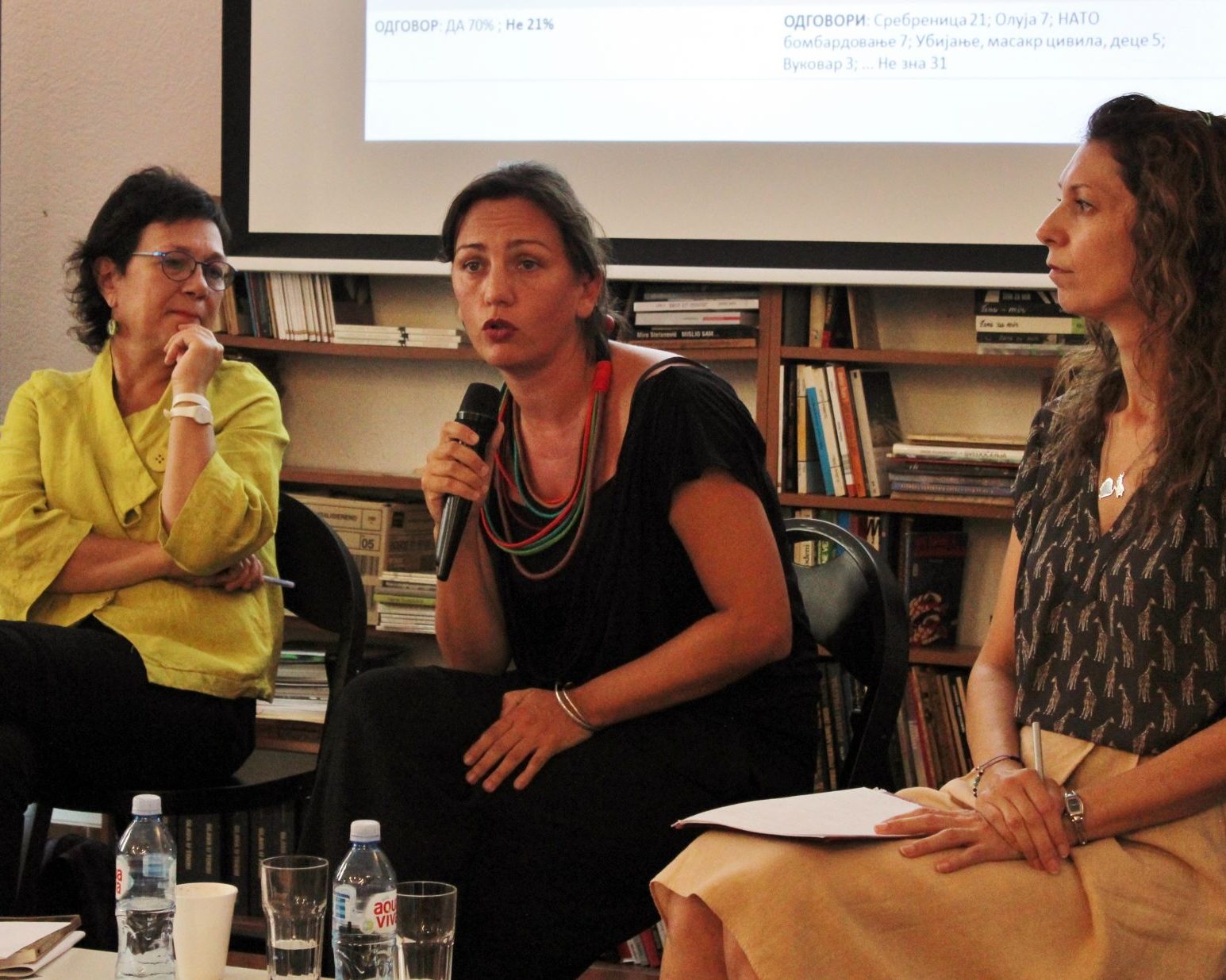
The conference "New Generations Facing Old Challenges", held on 15 September 2017, brought together distinguished scholars, university professors, researchers, and representatives of civil society organisations from Serbia, Croatia, and Bosnia and Herzegovina to discuss the role of education, culture, and history in building democratic and inclusive societies.
Recognising that societies across the region continue to face the legacy of past conflicts, the conference created a space for dialogue on identity, cultural heritage, and education as key elements of reconciliation. Through three thematic panel discussions, participants explored how identities are shaped in post-conflict societies, how cultural heritage can serve as a place of encounter, a tool of manipulation, or a target of destruction, and how education can foster dialogue, mutual understanding, and reconciliation.
The conference featured a distinguished group of experts from across the region, including Drago Pilsel, Srđan Šušnica, Stefan Surlić, Milan Popadić, Maroje Mrduljaš, Mina Vidaković, Dubravka Stojanović, Jelena Krstić, and Elma Hašinbegović and Marko Šuica.
A particular highlight of the conference was a series of interactive workshops that encouraged students and young participants to take an active role in discussions on reconciliation. Following screenings of excerpts from the documentary films Memory Walks* and Sense: The Destruction of History and Memory, participants reflected on the question "How Can Reconciliation Be Achieved? Perspectives of Post-Conflict Generations." The discussions explored how young people understand the past and how education can contribute to building trust, dialogue, and sustainable peace across the region.
The conference reaffirmed that open dialogue, critical engagement with the past, and regional cooperation are essential foundations for democratic societies. It highlighted the importance of embracing multiple perspectives as a source of learning and mutual understanding, rather than division, and demonstrated how education can contribute to building a more inclusive and peaceful future.