Accredited Professional Development Programmes for Teachers
Over the years, Education for the 21st Century has designed and delivered a number of accredited professional development programmes for teachers, with the aim of modernising teaching practices, improving the quality of education, and supporting teachers in responding to the challenges of contemporary classrooms.
Our programmes were developed in response to the evolving needs of teachers and educational institutions, bringing together contemporary educational research, national education policies, and practical classroom experience. While many of our programmes focused on history education, civic education, and visual arts, they also addressed cross-curricular themes such as human rights, inclusion, media literacy, critical thinking, and competences for democratic culture.
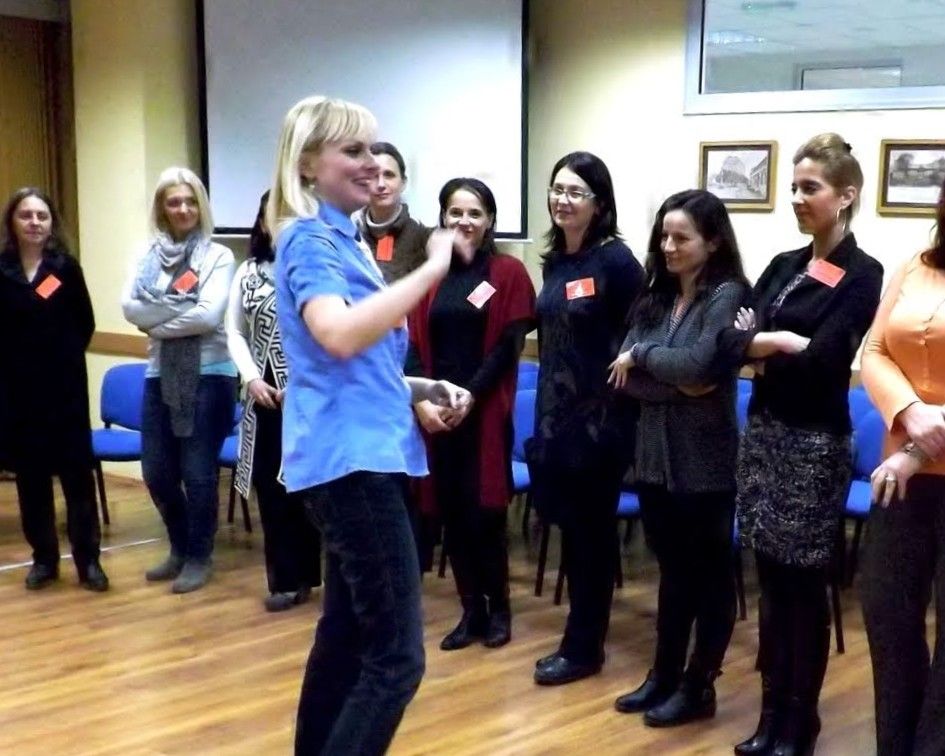
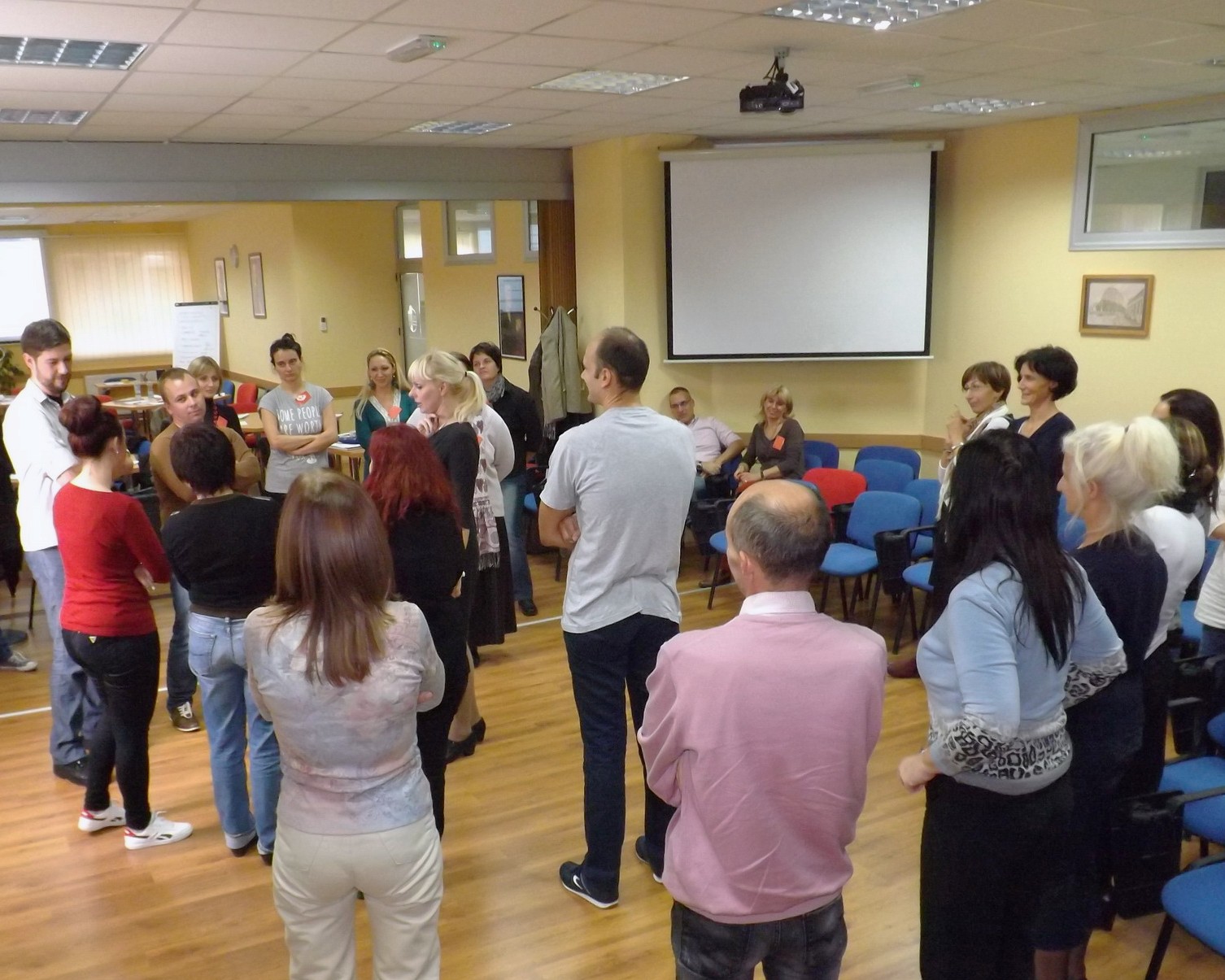
Through interactive workshops and practical activities, we encouraged teachers to adopt learner-centred approaches, critically engage with teaching materials and historical sources, and create inclusive learning environments that promote dialogue, active participation, and responsible citizenship.
History Between Fact and Myth
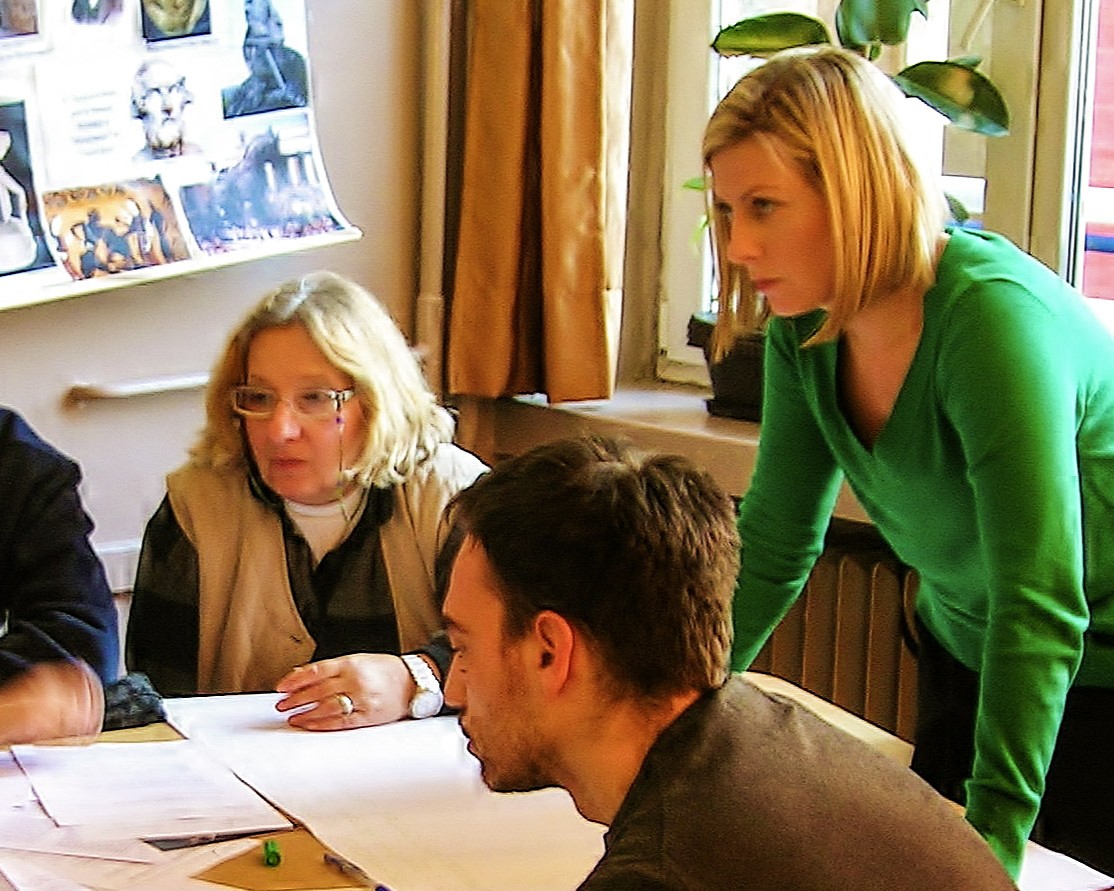
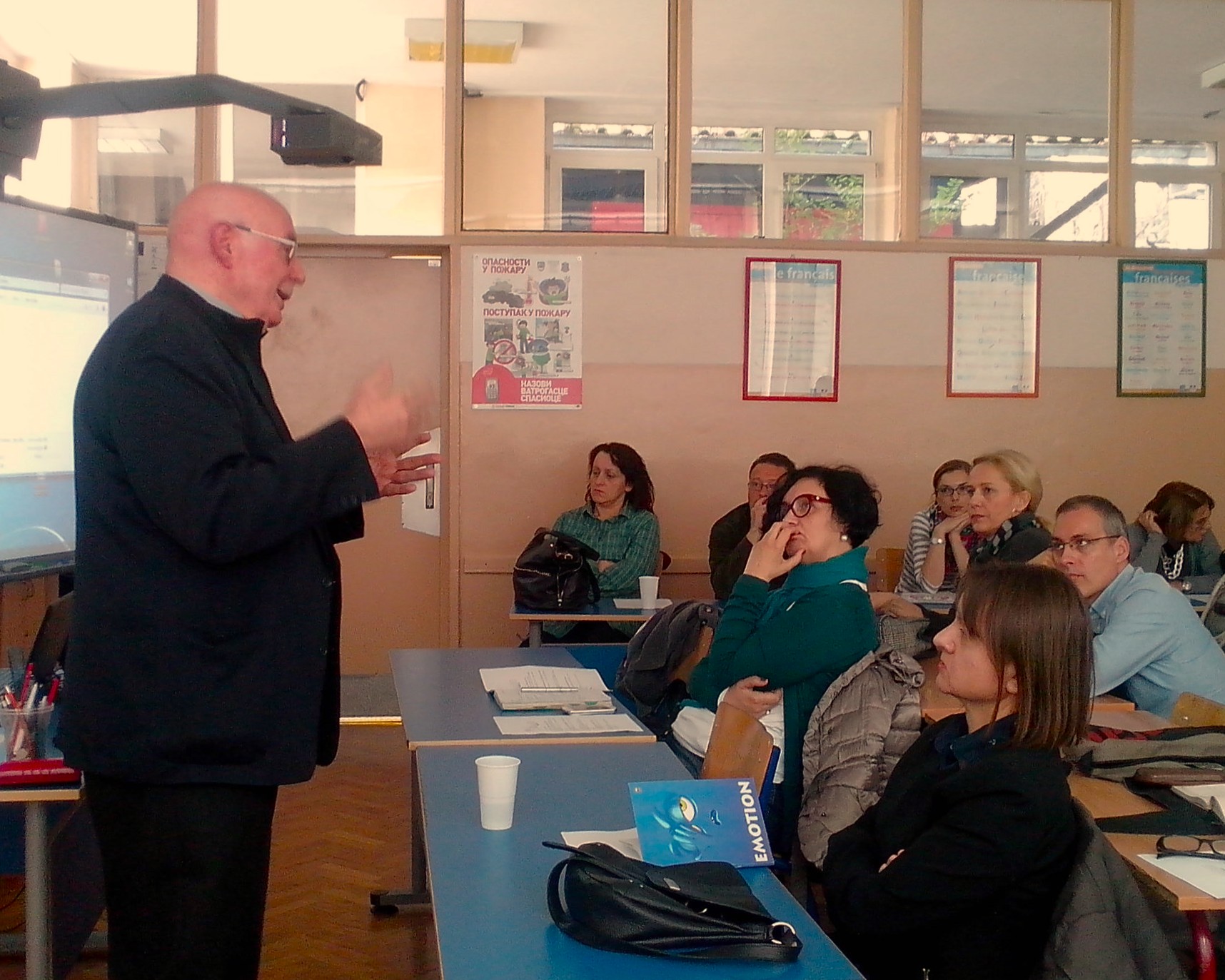
The seminar "History Between Fact and Myth" addressed one of the key challenges of contemporary history education: how to help students distinguish historical facts from myths, legends, stereotypes, and oversimplified interpretations of the past.
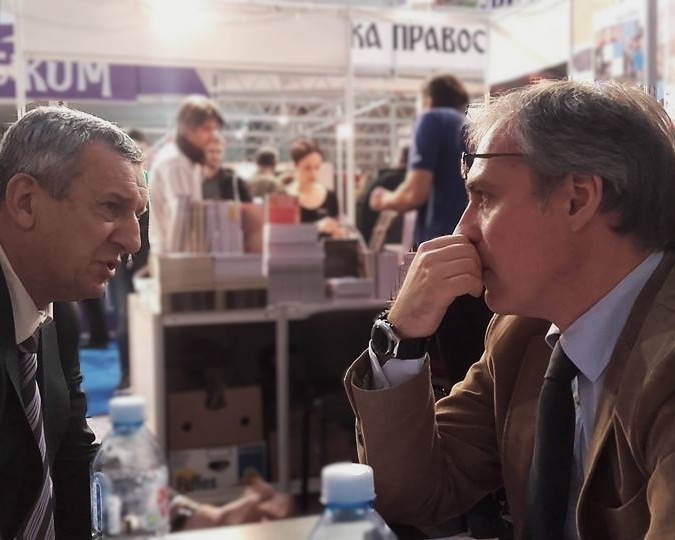
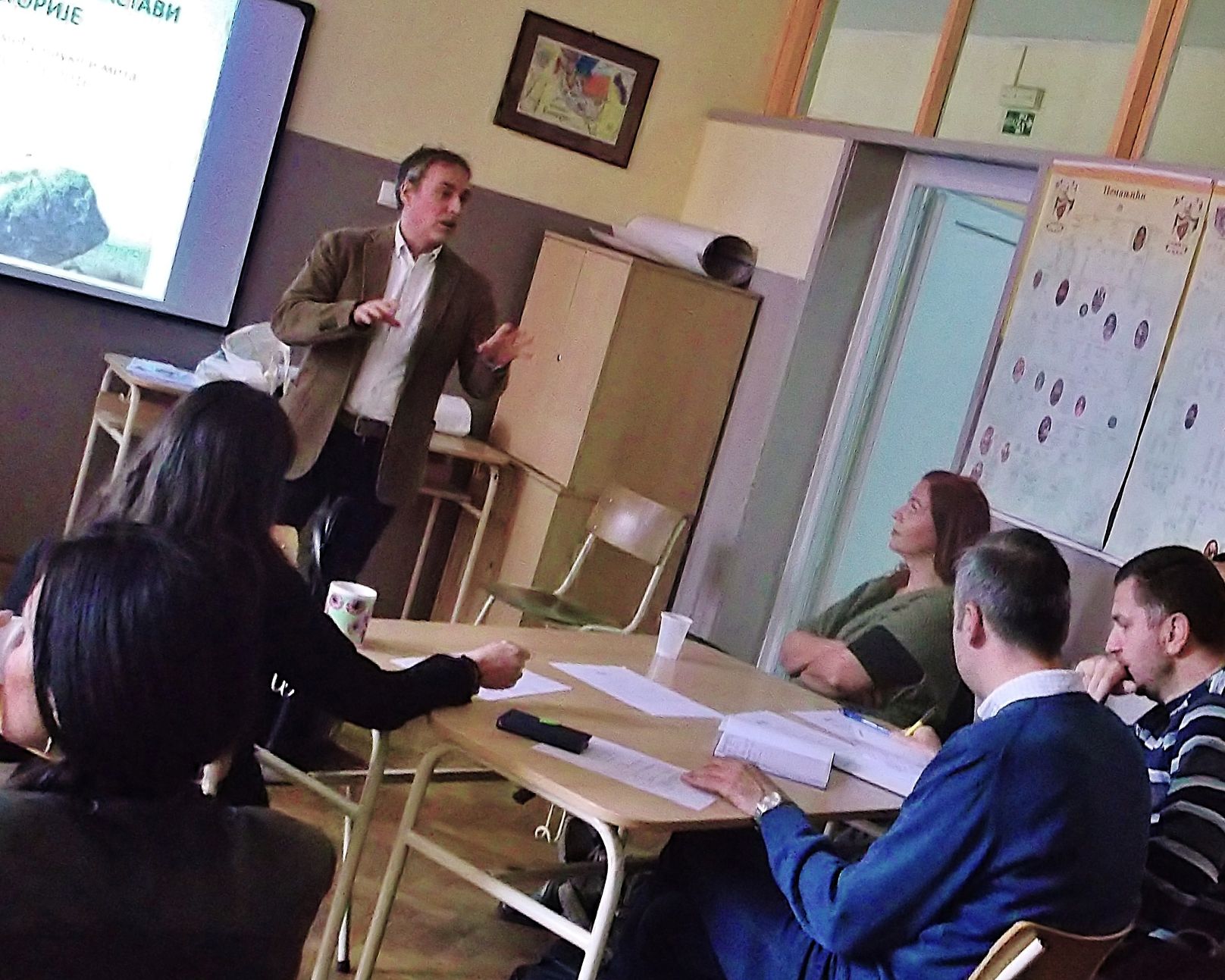
The programme brought together university scholars and experienced history teachers, creating a space where contemporary historical research met classroom practice. Among the lecturers were Prof. Dr. Radivoj Radić, one of Serbia's leading medieval historians and the author of numerous publications on historical myths and misconceptions, Prof. Dr. Marko Šuica, a medieval historian and specialist in history education methodology, and Ivan Milenković, an experienced secondary school history teacher who contributed valuable classroom perspectives.
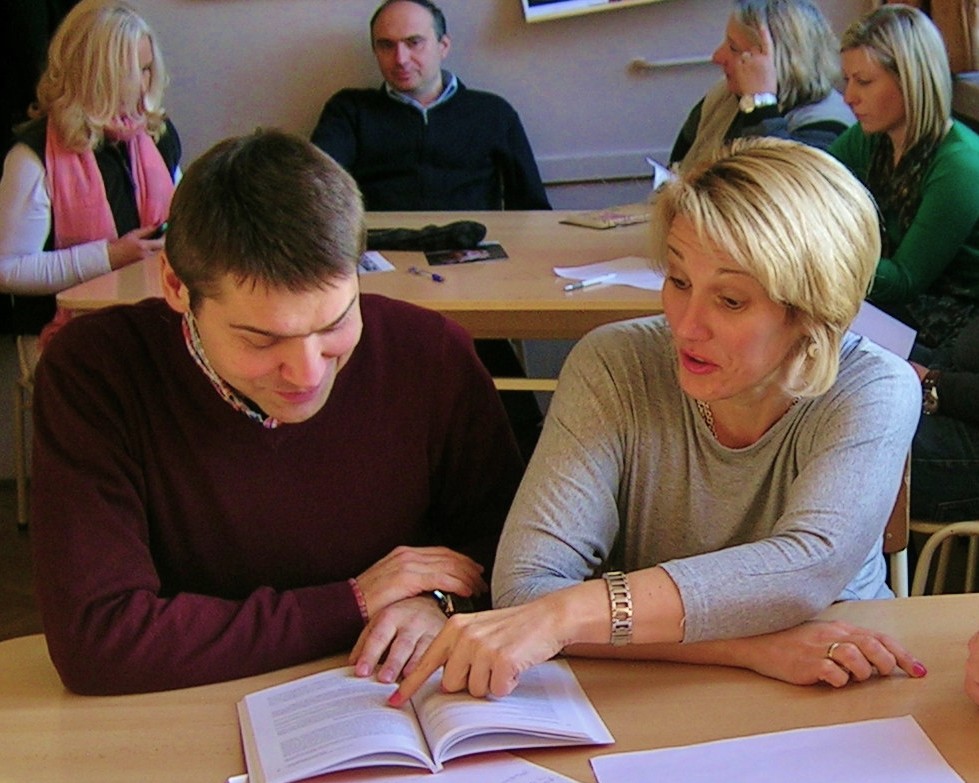
Drawing on contemporary approaches to history education, the seminar introduced teachers to methods for developing historical thinking through inquiry, source analysis, and questioning. Rather than presenting history as a collection of ready-made answers, the programme encouraged participants to explore how historical narratives are created, how collective memory is shaped, and how different interpretations influence our understanding of the past.
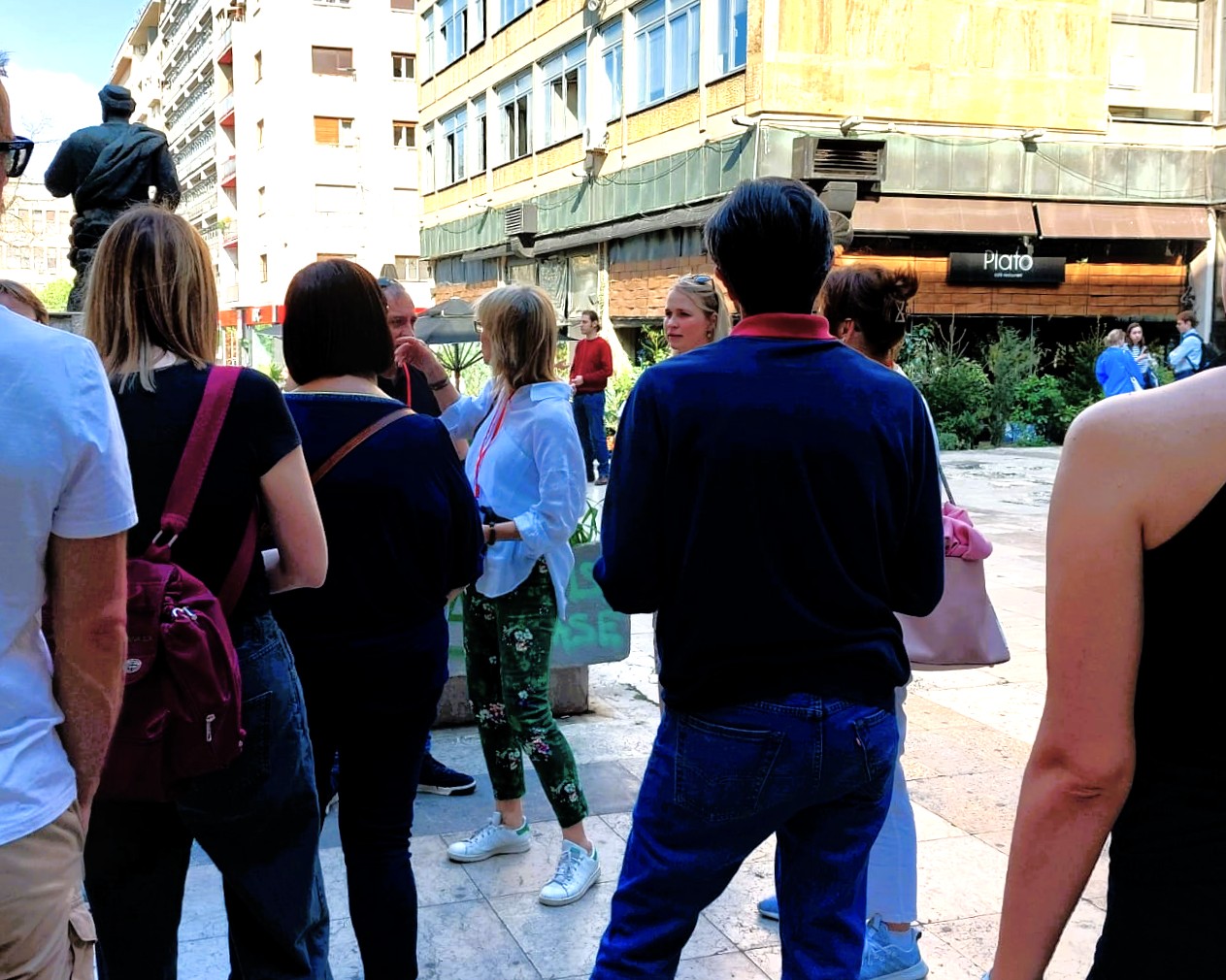
A distinctive part of the seminar focused on the use of visual historical sources. Photographs, works of art, caricatures, propaganda materials, maps, monuments, and architecture were used not simply as illustrations, but as historical evidence that could be explored, questioned, and interpreted. Through carefully designed inquiry-based activities, participants analysed symbolism, historical context, and multiple interpretations of visual sources, while developing teaching approaches that encourage students to observe, question, interpret evidence, and think critically about the past.
The seminar demonstrated that history is not a collection of fixed facts but a process of historical inquiry. By encouraging students to ask questions, analyse evidence, compare different perspectives, and construct well-founded interpretations, teachers help them develop critical thinking, media and visual literacy, and a responsible approach to understanding both the past and the present.
Challenging Social Stereotypes
The seminar Challenging Social Stereotypes was developed to provide teachers with the knowledge and competences needed to recognise, analyse, and overcome stereotypes and prejudice in education. It was based on the belief that creating an inclusive school environment, grounded in respect for human rights and diversity, requires not only a change in attitudes but also a critical reflection on established teaching practices, the language we use, and the content we present to students.
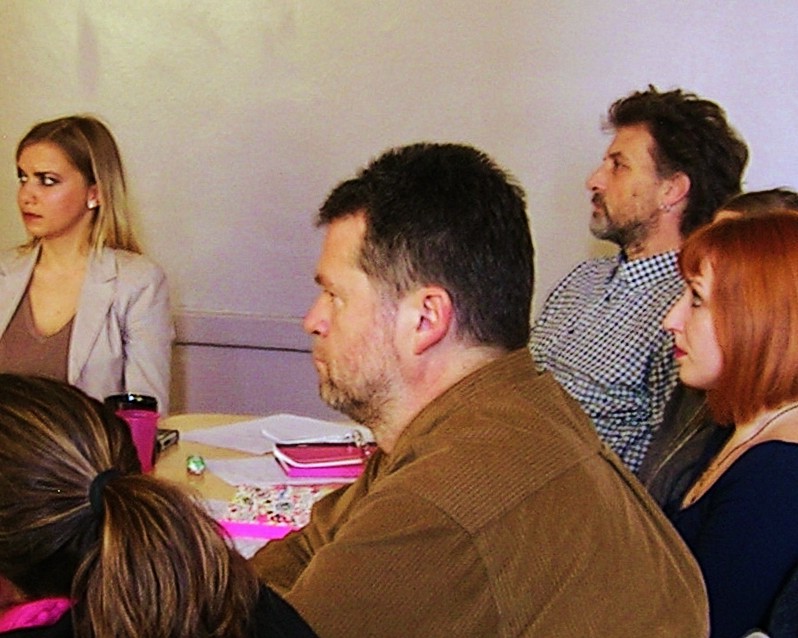
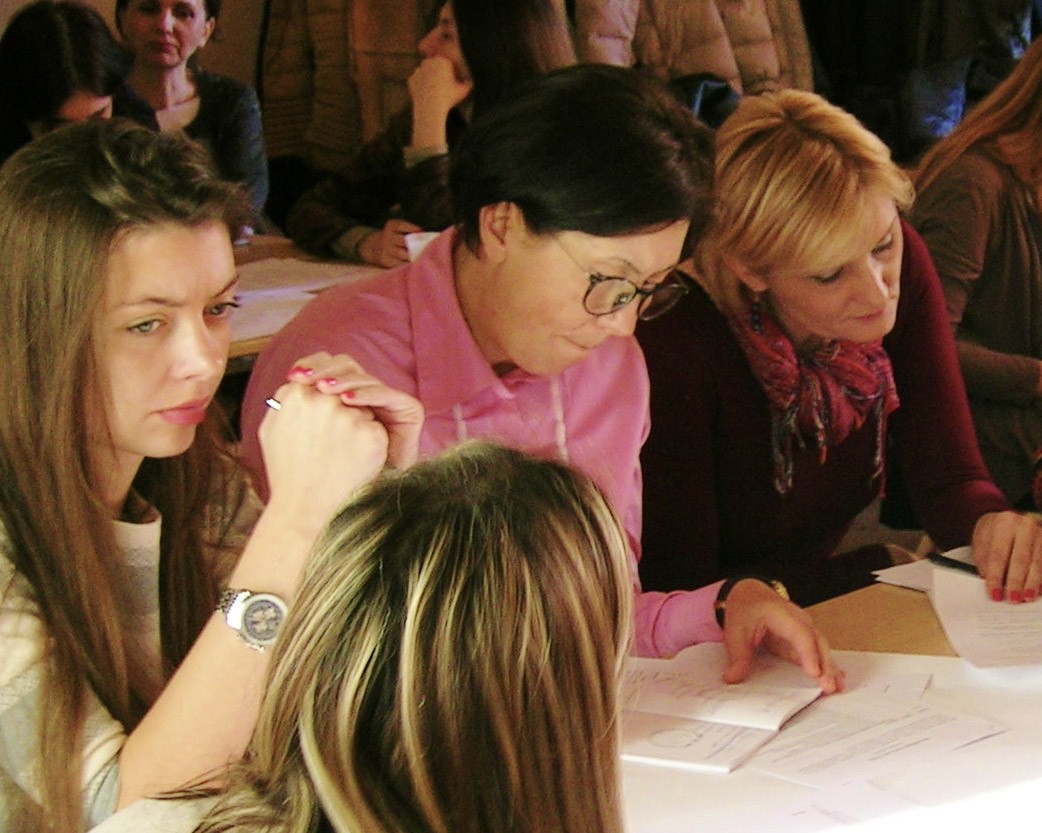
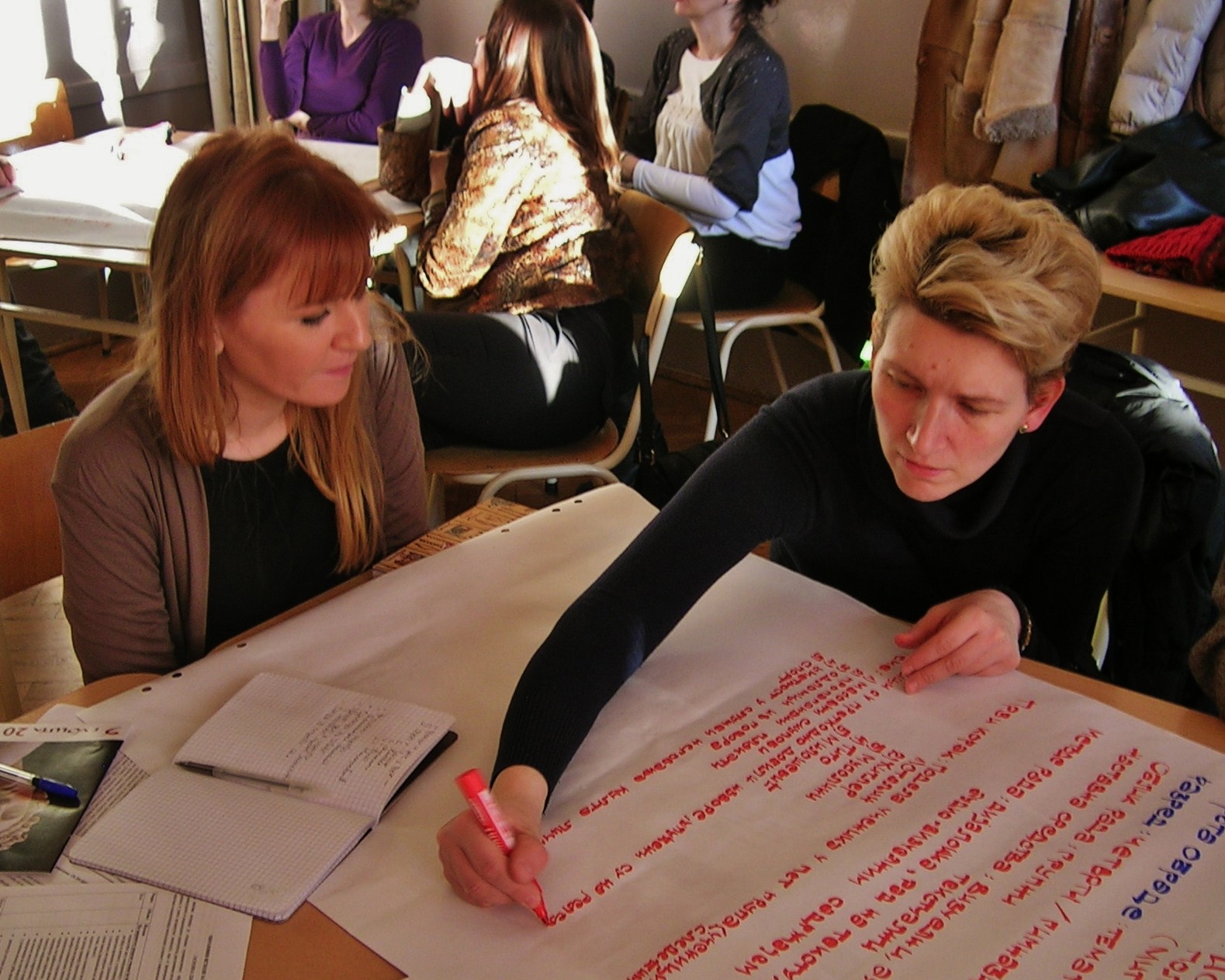
Through interactive workshops, participants explored how stereotypes are formed and how they shape attitudes, identities, and social relationships. The programme addressed topics such as the historical dimensions of stereotypes, their representation in literature and the media, gender equality, inclusive language, and the legal framework for combating discrimination.
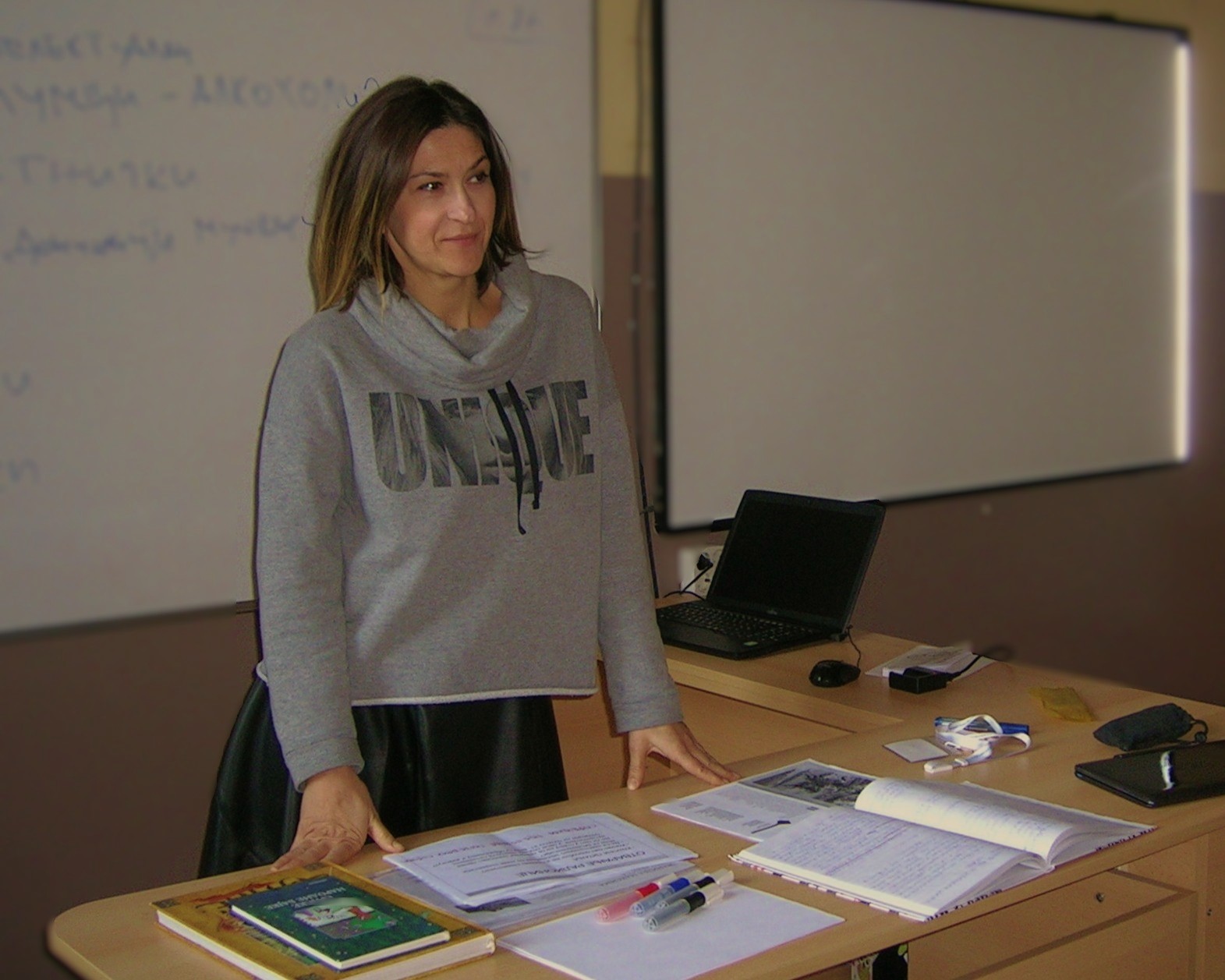
One part of the seminar focused on analysing stereotypes in literature. Drawing on carefully selected literary works, from traditional fairy tales to contemporary literature, Serbian language and literature teacher Nataša Mugoša demonstrated how literary texts can become a starting point for discussions about prejudice, social roles, and different forms of discrimination, encouraging students to develop a critical approach to the texts they read.
A key element of the programme was a series of psychology workshops that encouraged participants to reflect on their own attitudes, understand the psychological mechanisms behind stereotypes and discrimination, and recognise their impact on relationships within schools and society. This part of the programme was designed and facilitated by psychologist Ivana Janković, whose experiential approach enabled participants to explore these issues not only from a theoretical perspective but also on a personal level.
Particular emphasis was placed on developing media literacy and critical thinking, while empowering teachers to promote equality, respect for diversity, and democratic values through their everyday teaching practice.
The quality and innovative approach of the programme received international recognition when the Serbian Ministry of Education presented it as an example of good practice in teacher professional development at the **Open Method of Coordination in Education Conference** in Paris.
From Standards to Classroom Practice
This programme was developed during a period of major educational reform in Serbia, following the introduction of the Education Development Strategy to 2020, when schools and teachers were adapting to new educational standards, learning outcomes, and competence-based teaching. Rather than simply introducing new terminology and regulations, the seminar aimed to help teachers understand how these changes could become an opportunity to improve everyday classroom practice.
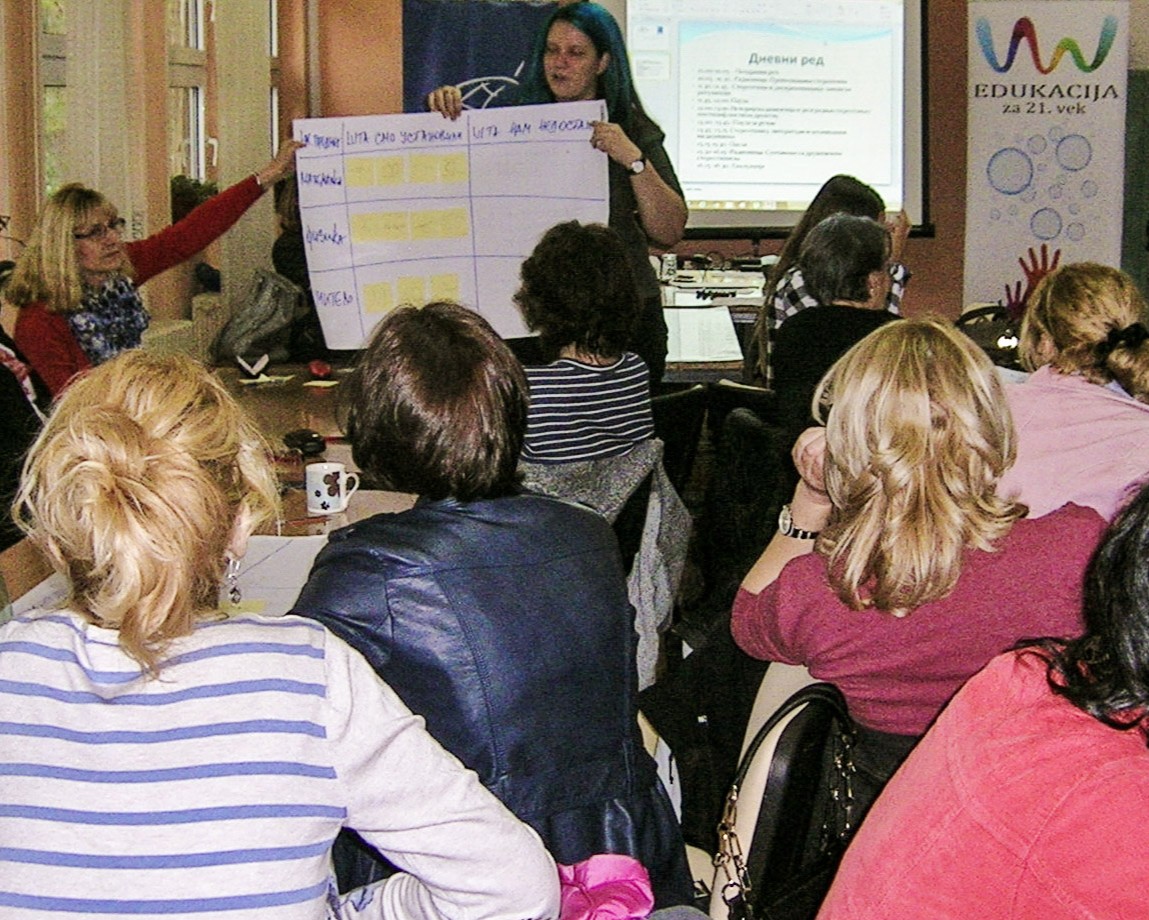
The programme was built on the belief that a school is much more than a collection of regulations, action plans, and administrative documents. A school is a community of people who learn, collaborate, and create an inspiring environment for students. For this reason, topics such as quality standards, school development planning, learning outcomes, and competences were introduced through humour, practical examples from school life, and interactive workshops that made educational reforms accessible, engaging, and relevant.
Through a combination of presentations and hands-on workshops, participants developed skills in lesson planning, school development planning, action planning, teamwork, and student assessment in line with educational standards. Particular attention was given to understanding cross-curricular competences and integrating them into everyday teaching.
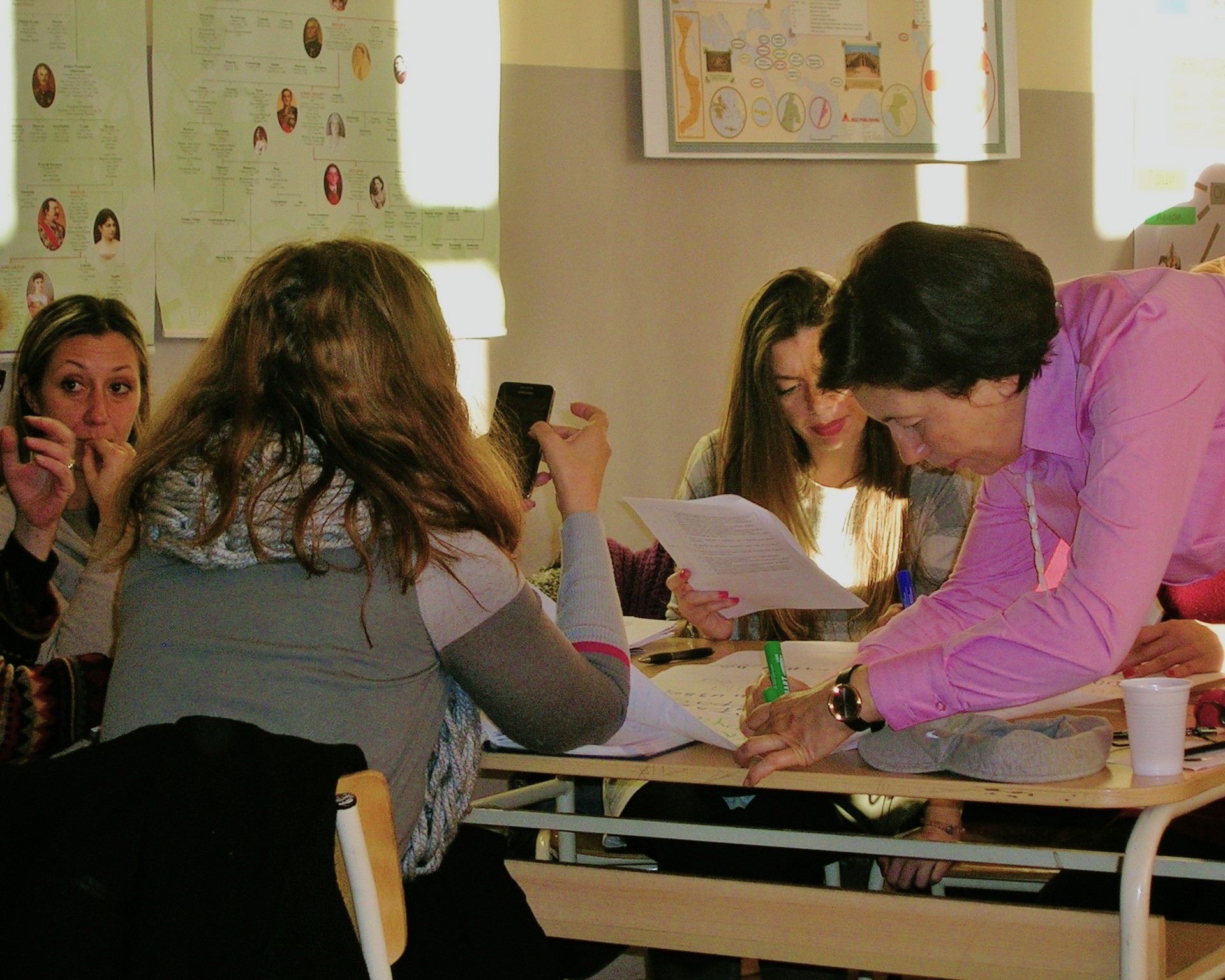
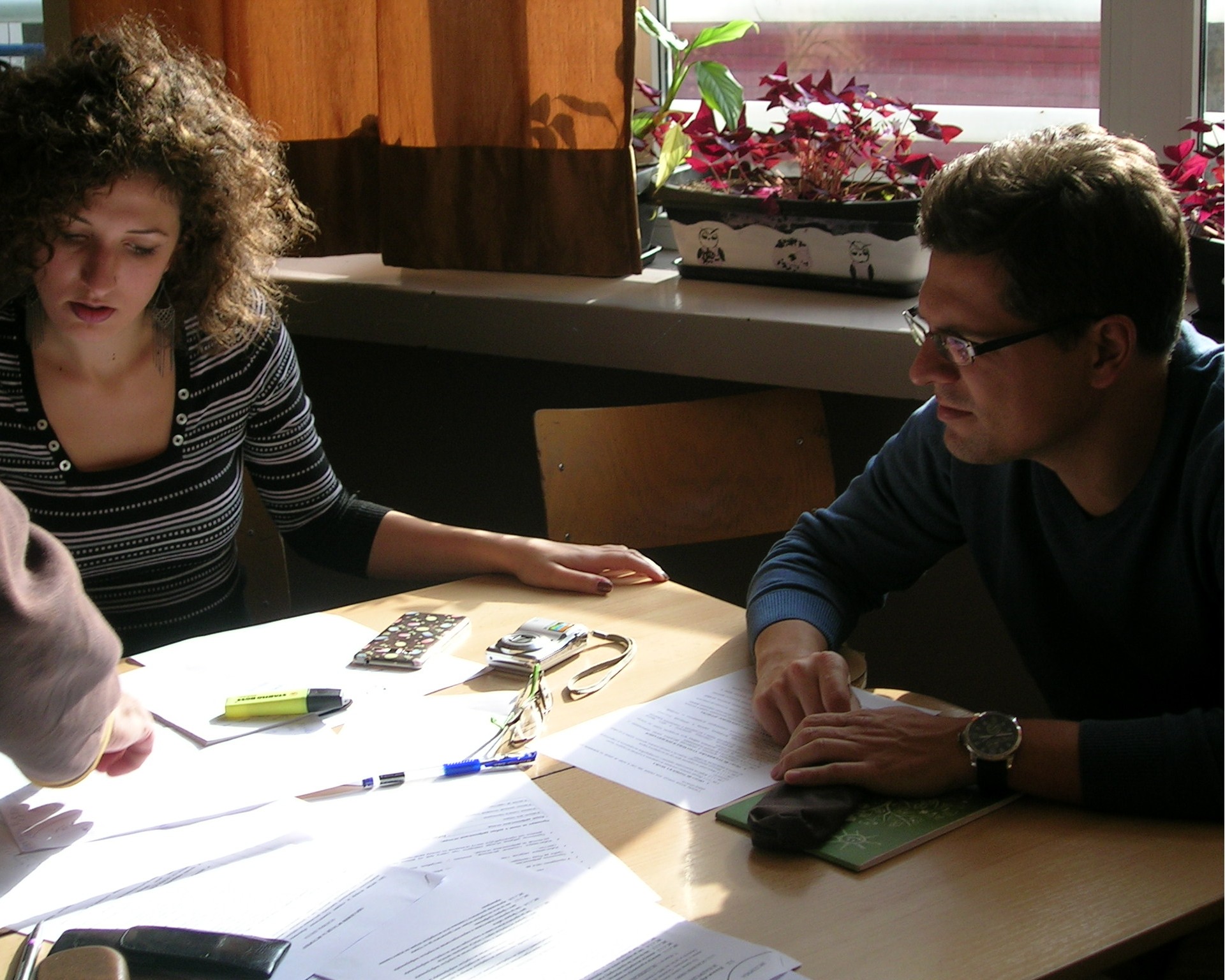
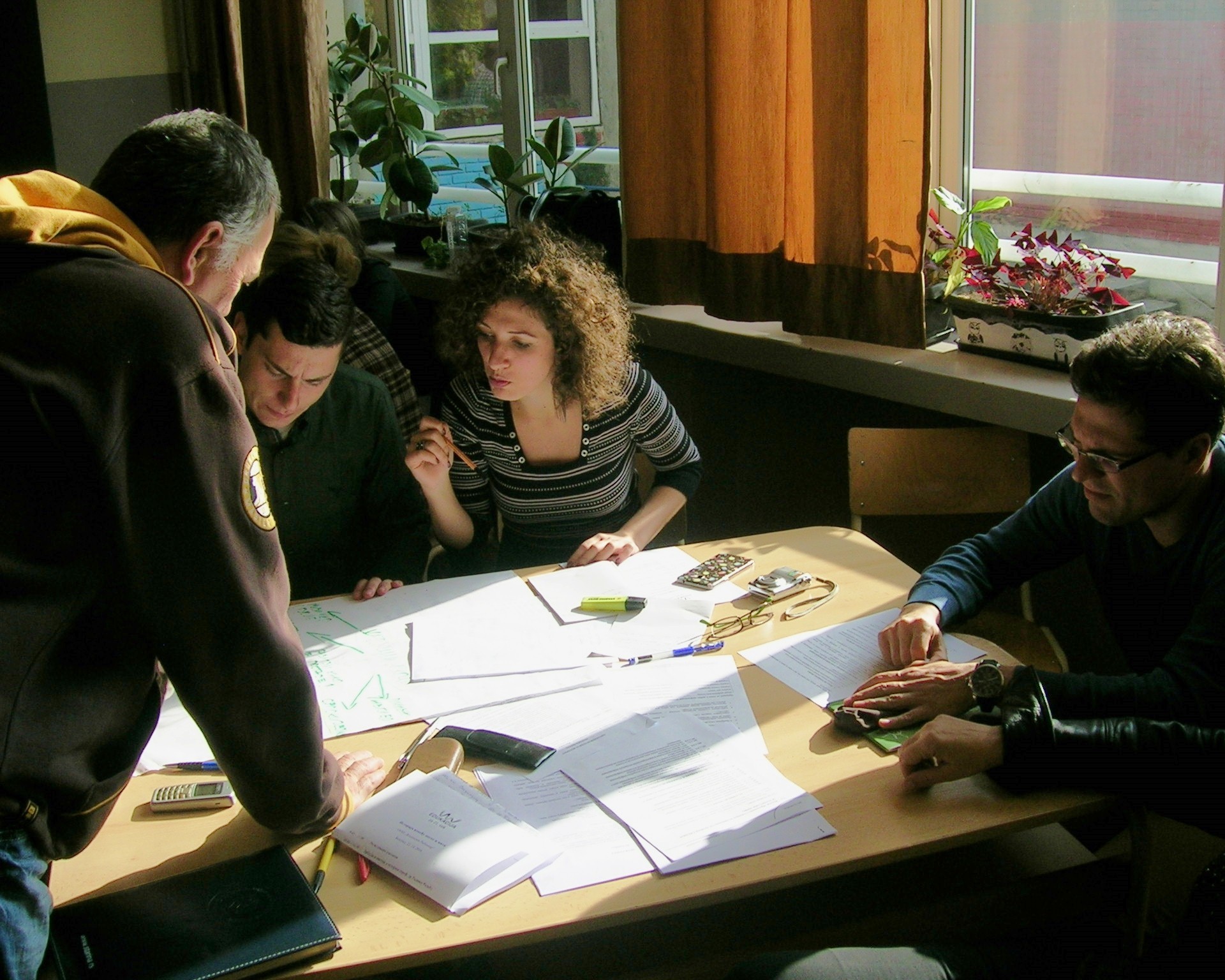
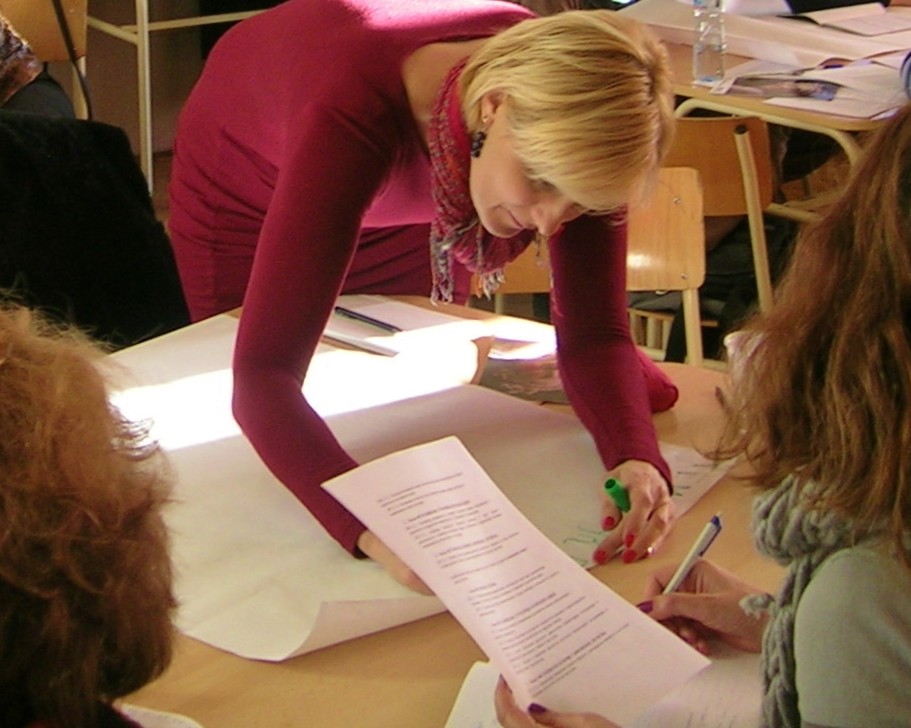
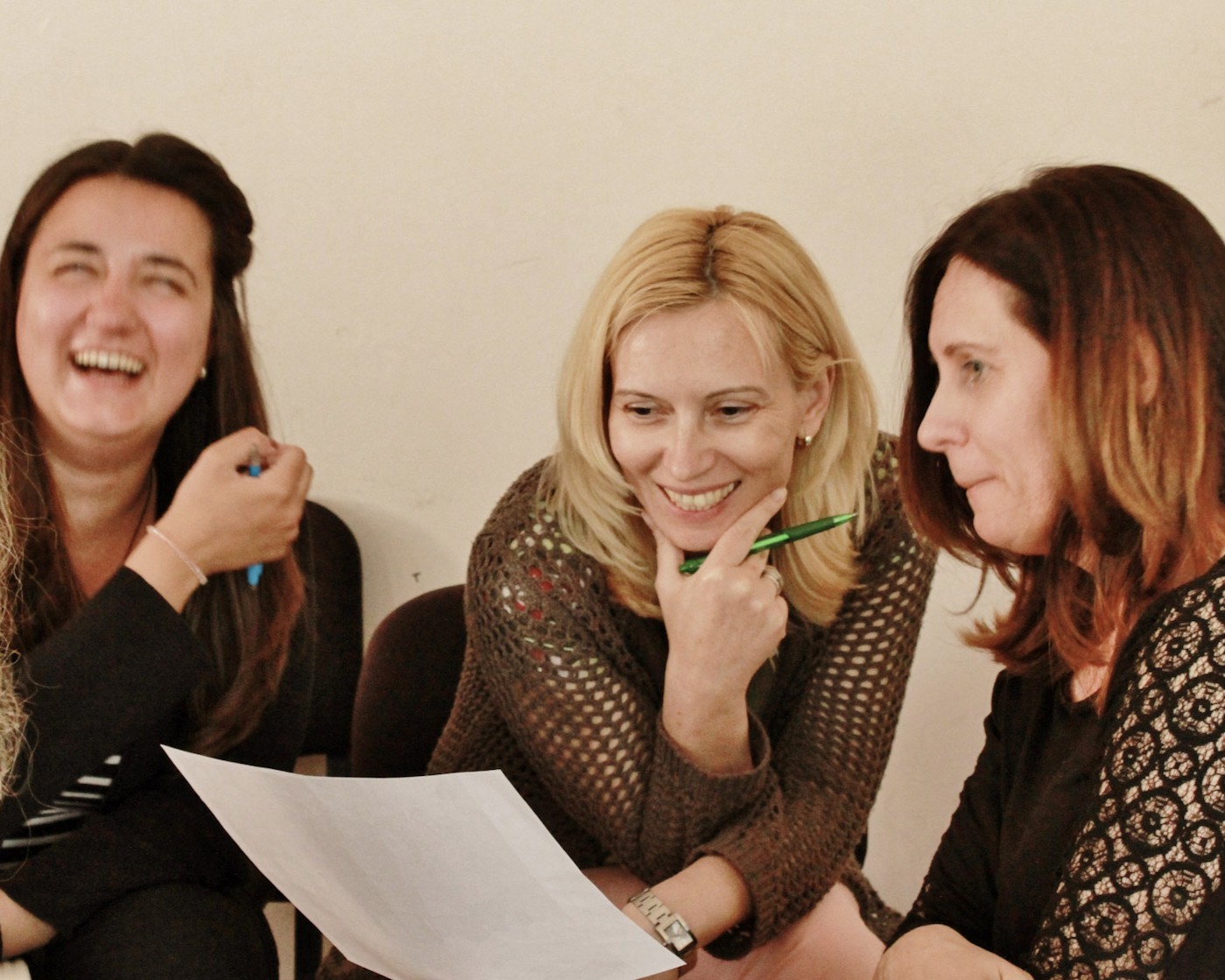
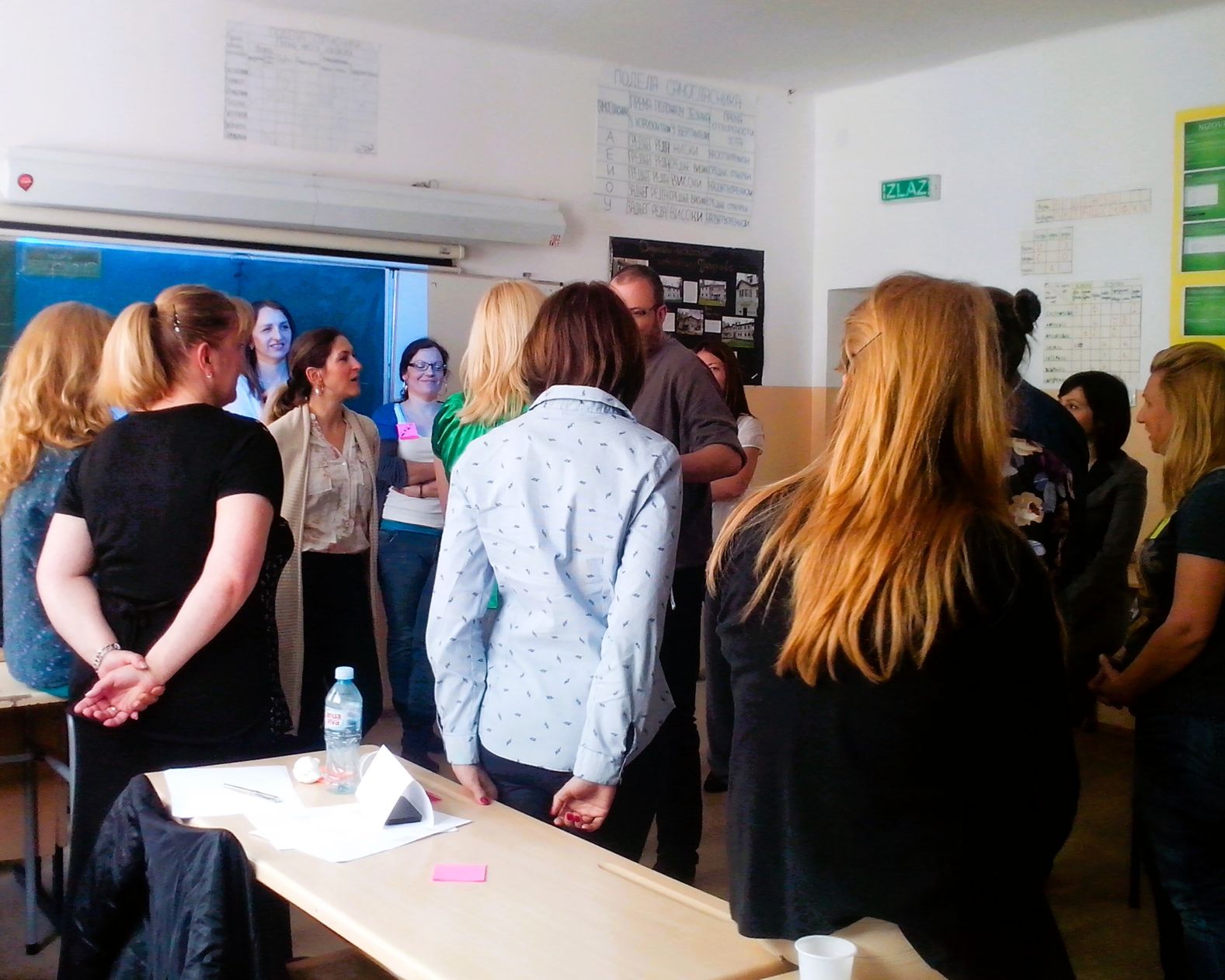
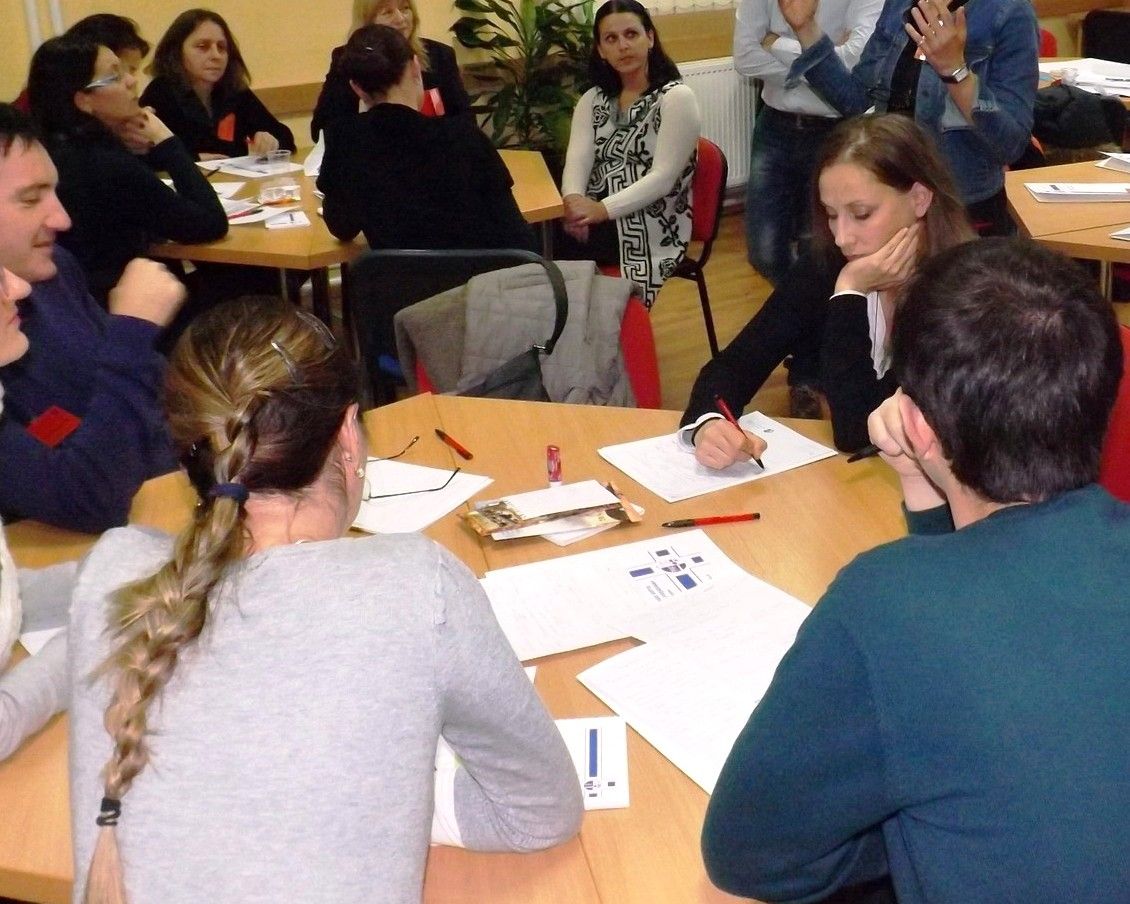
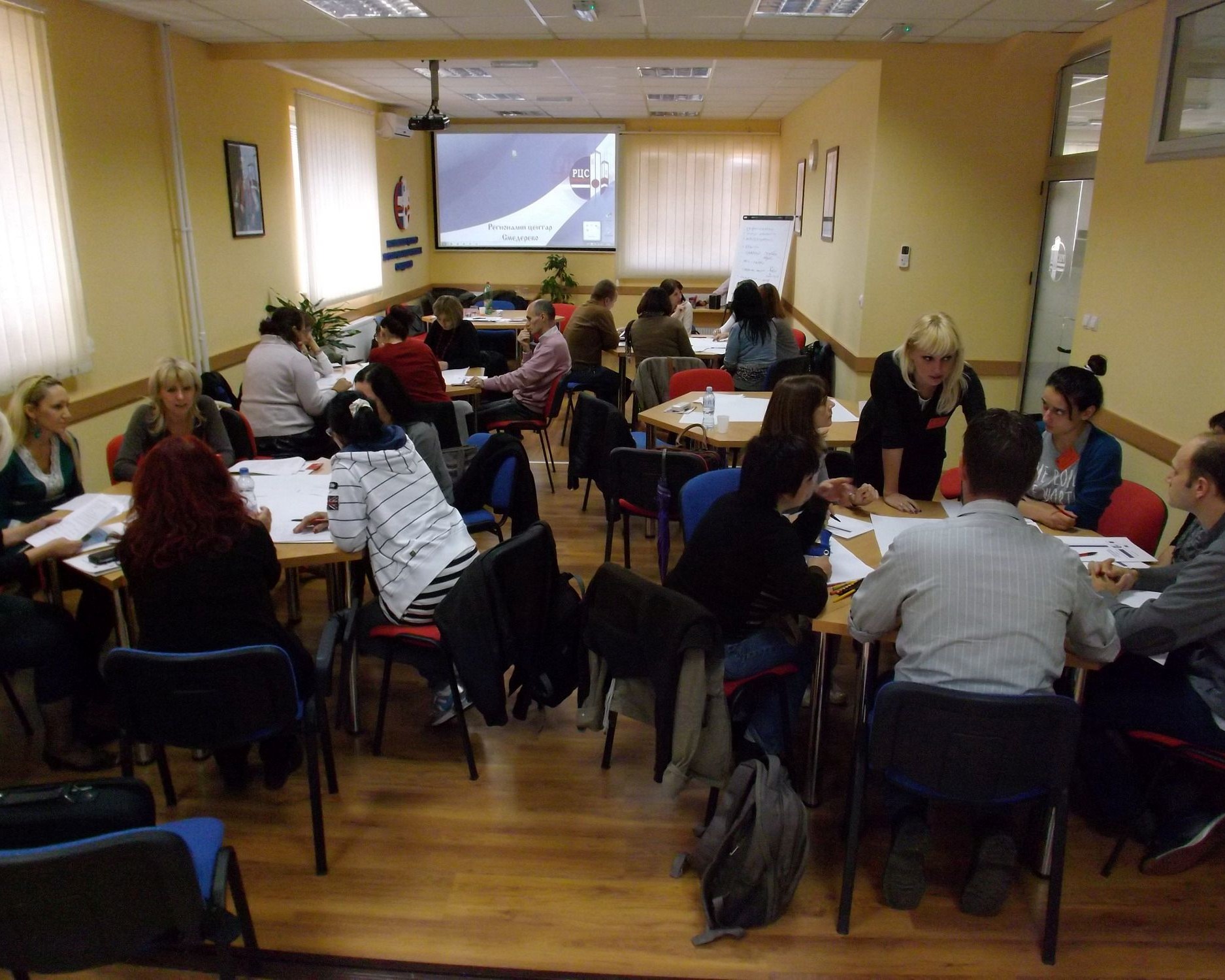
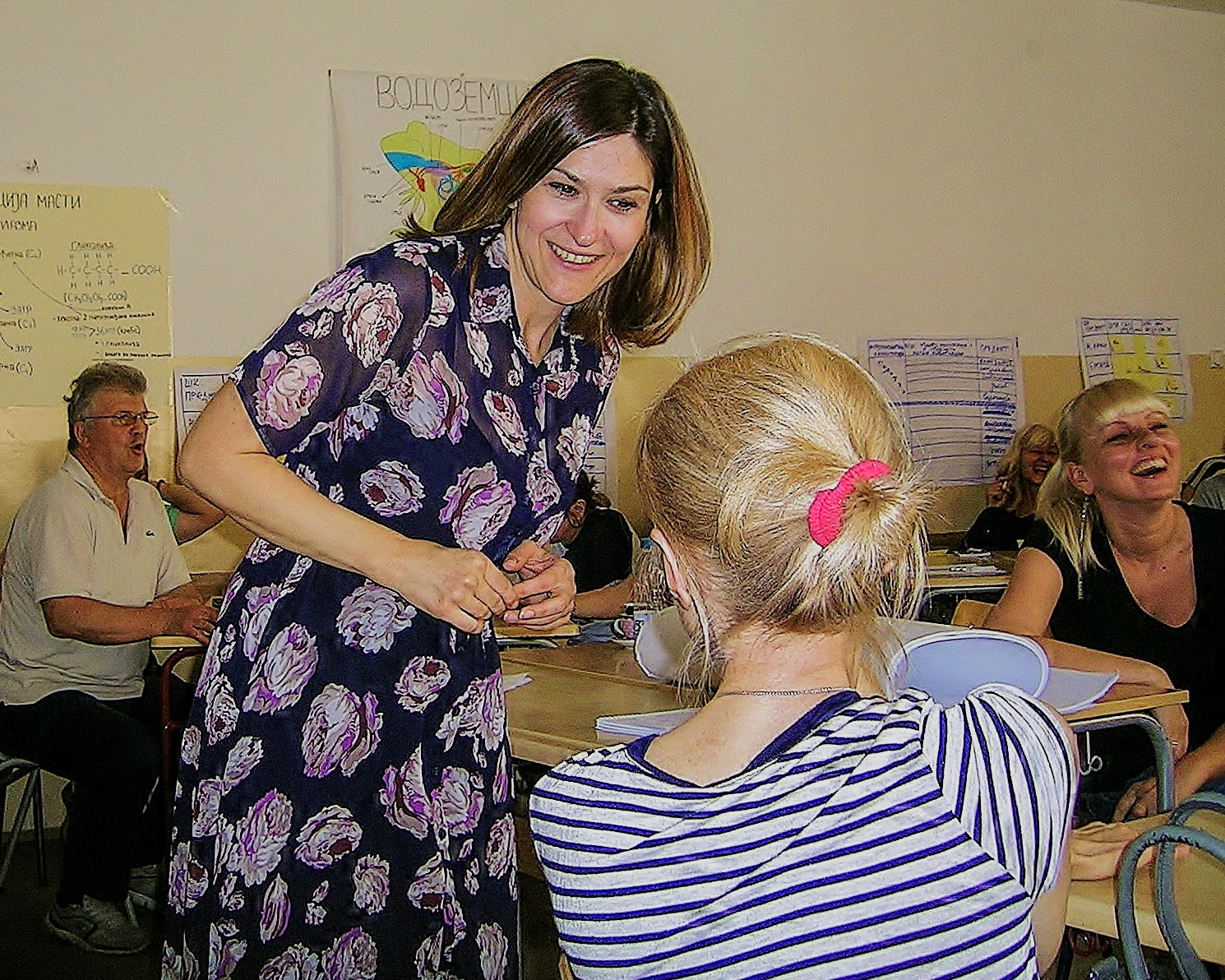
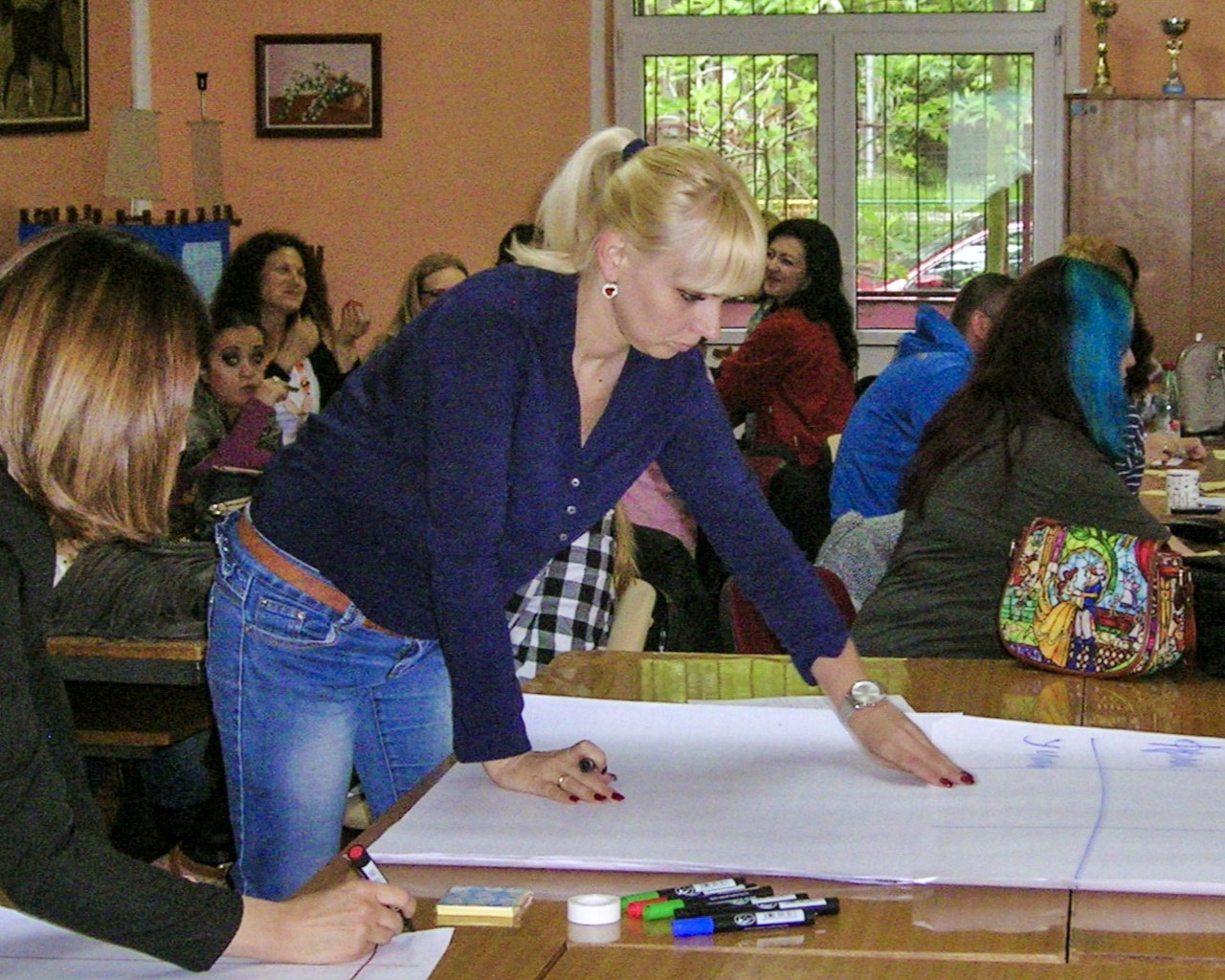
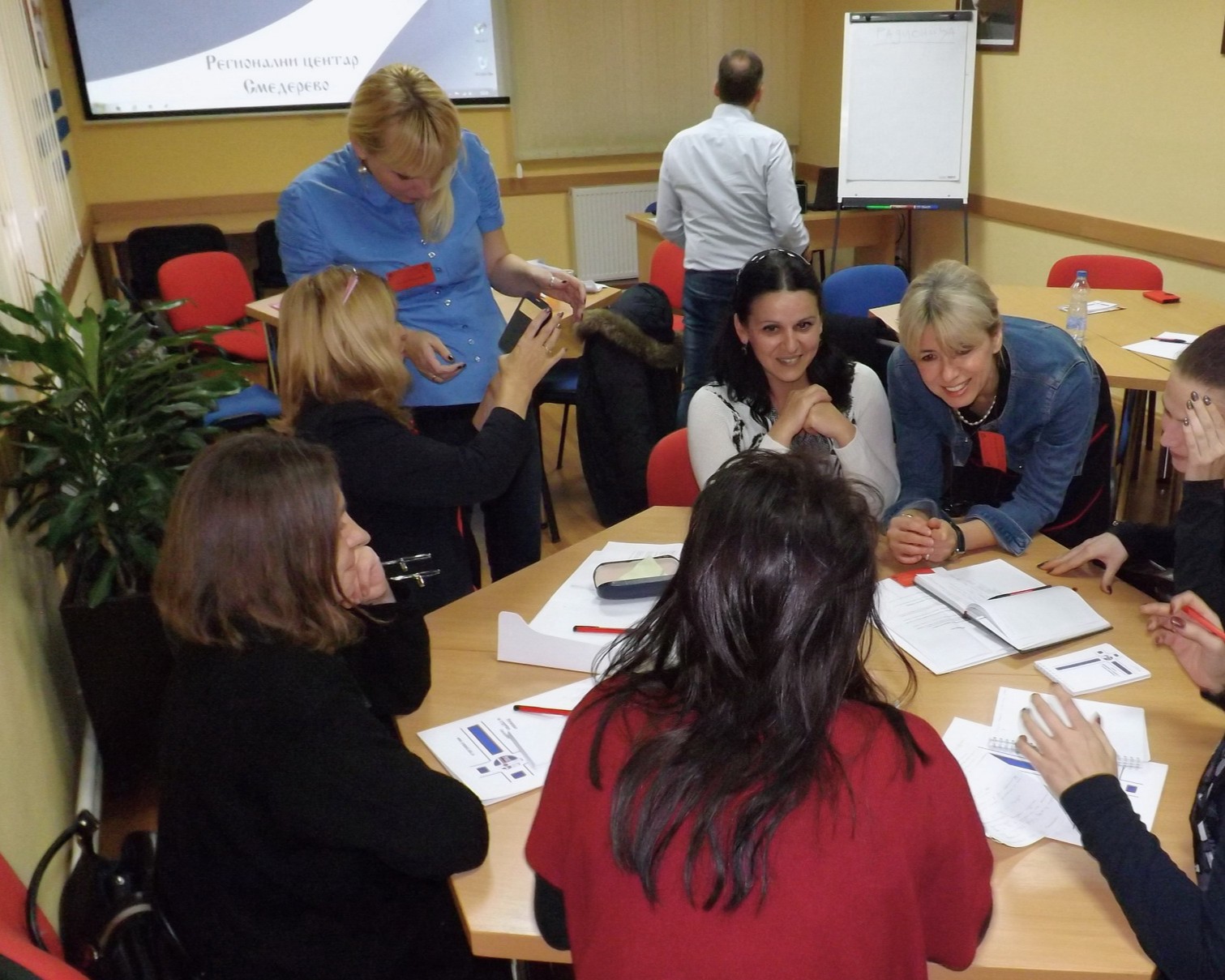
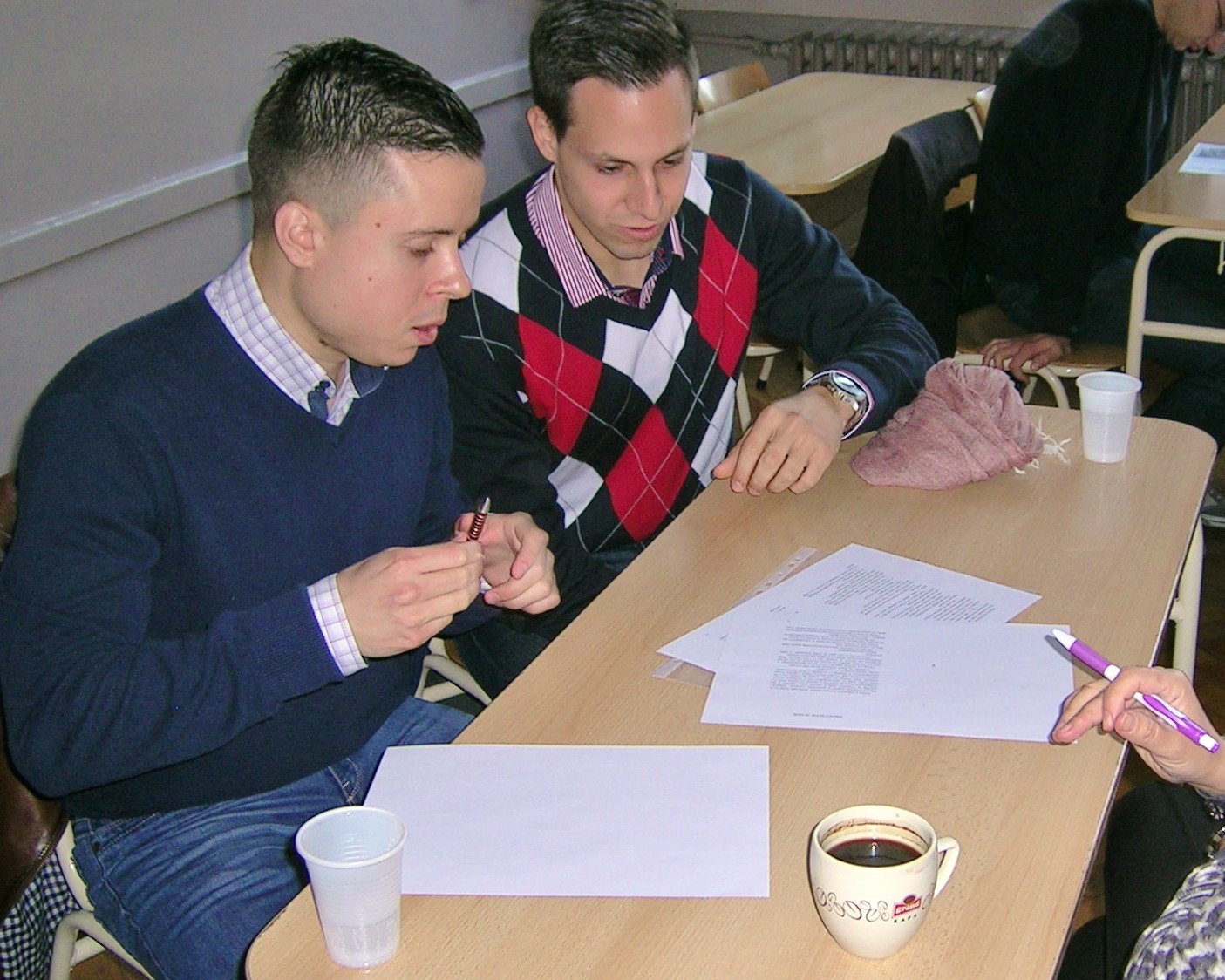
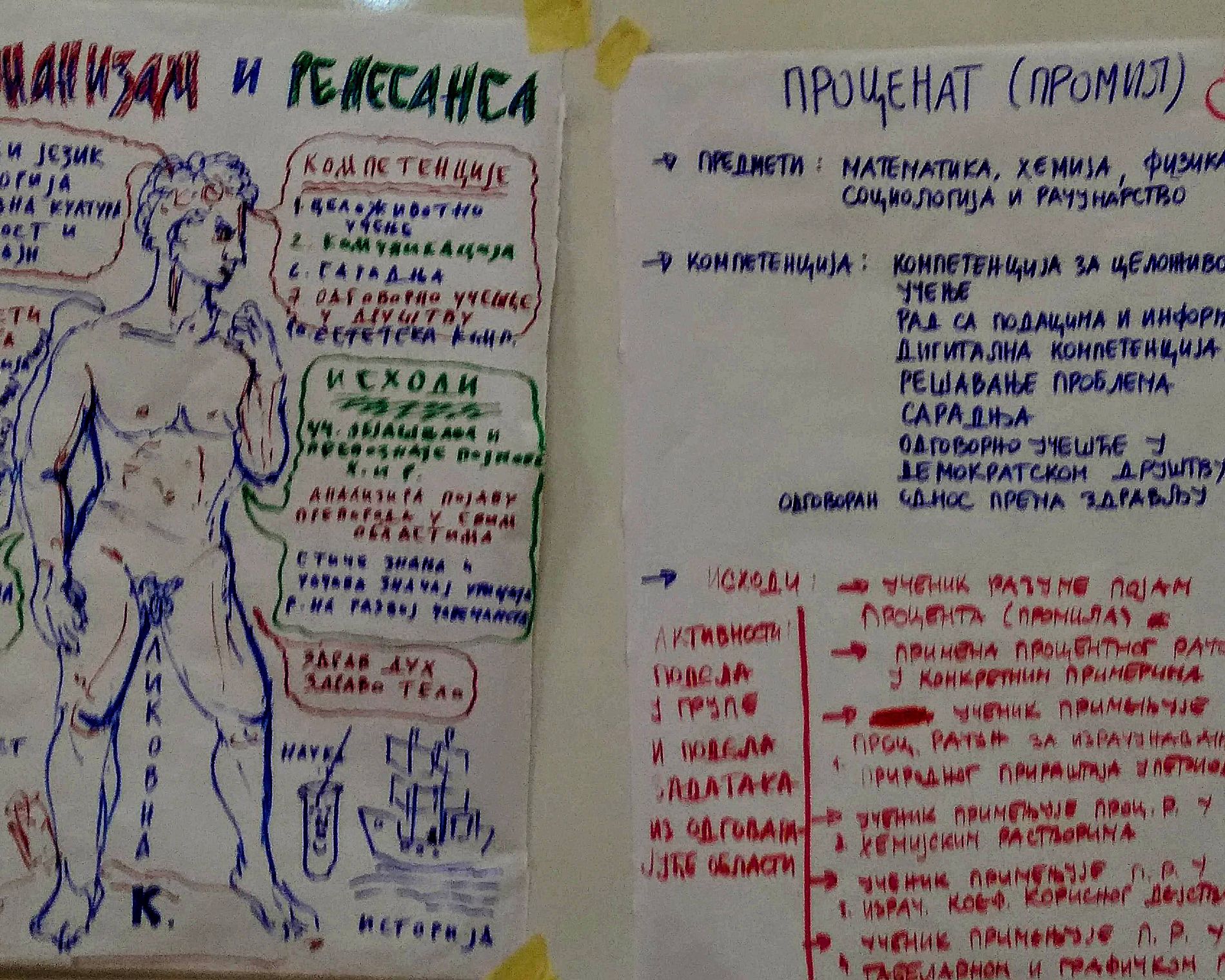
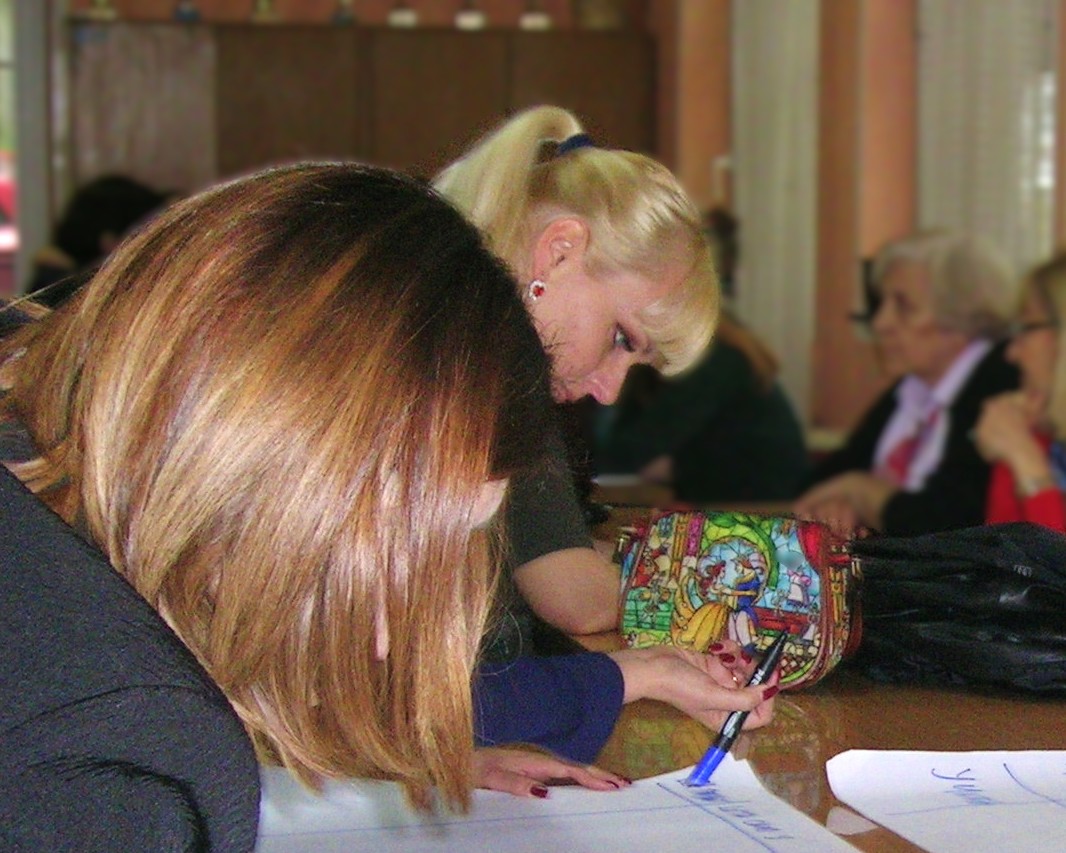
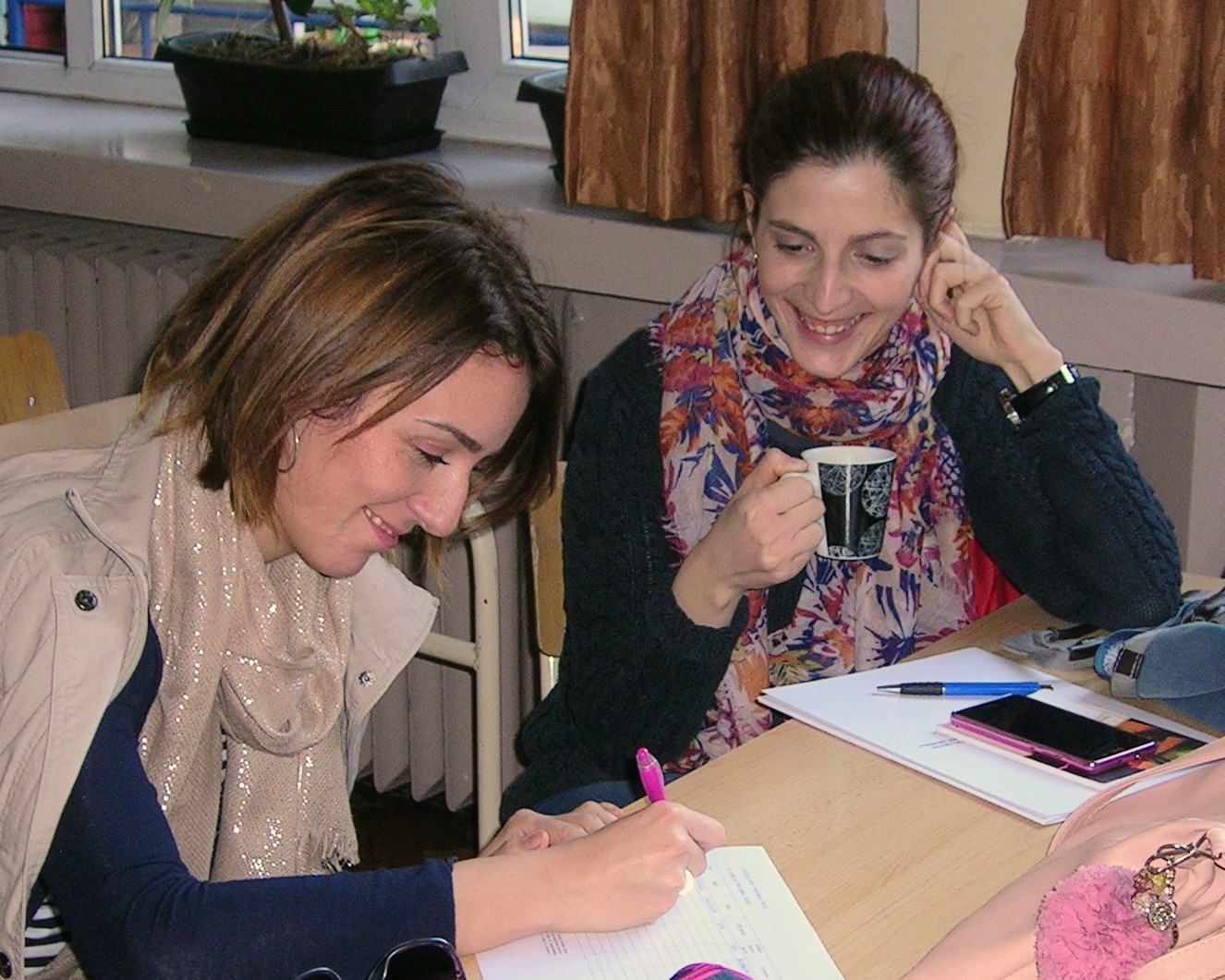
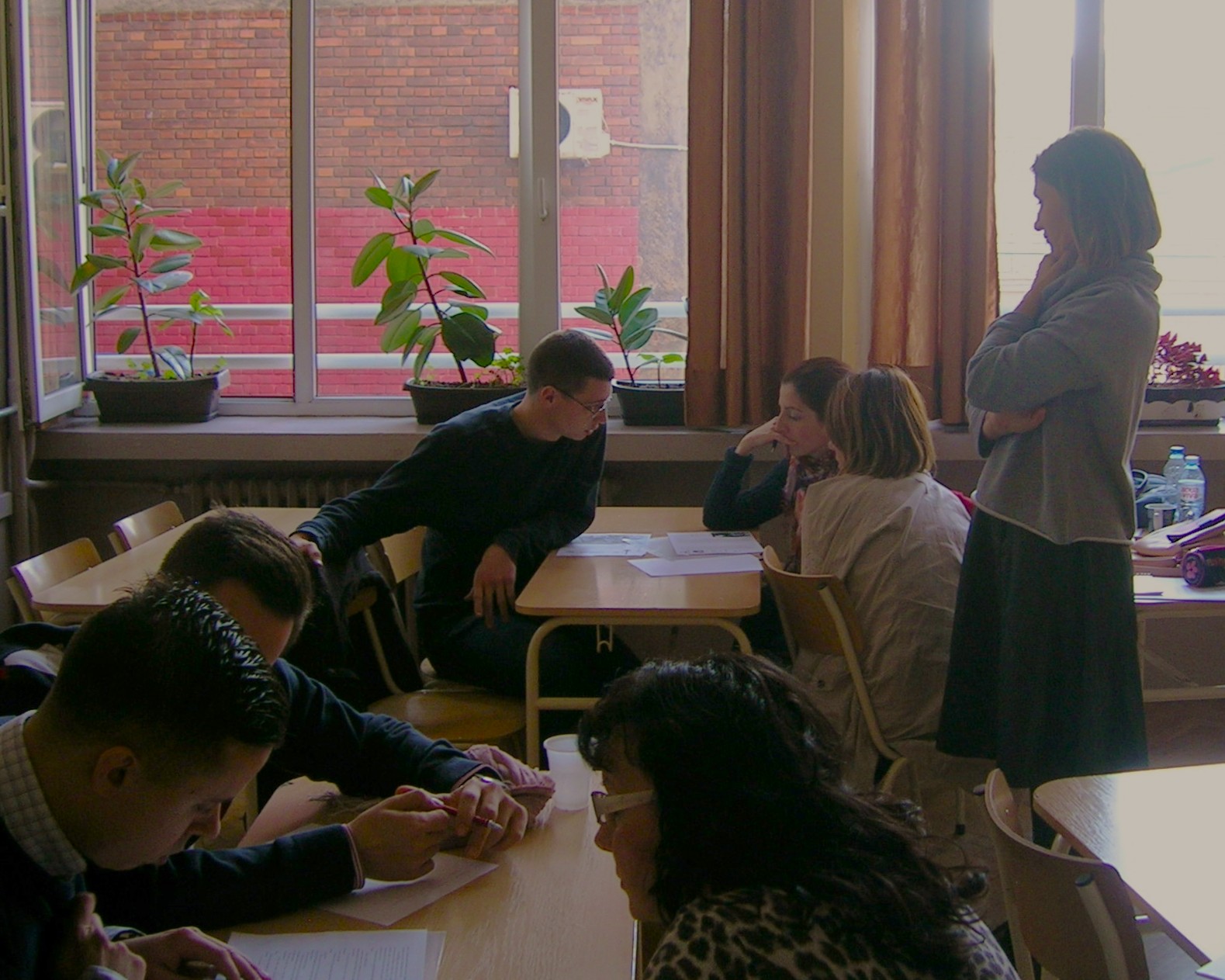
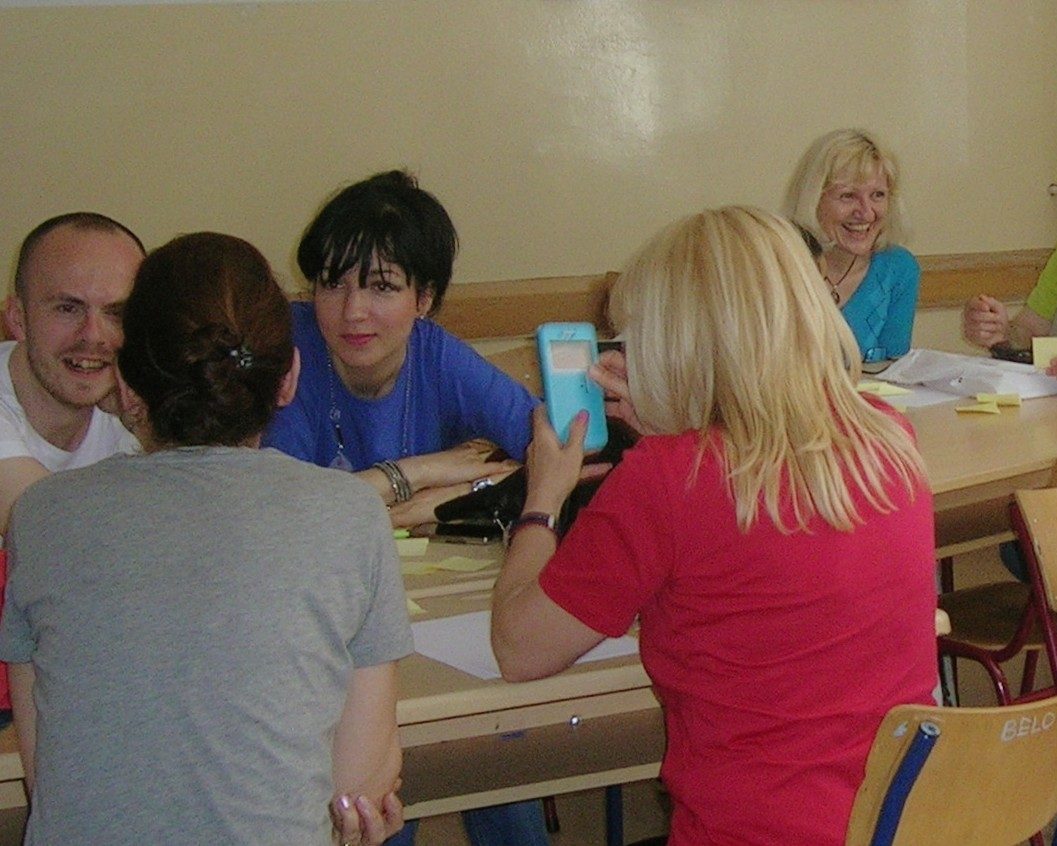
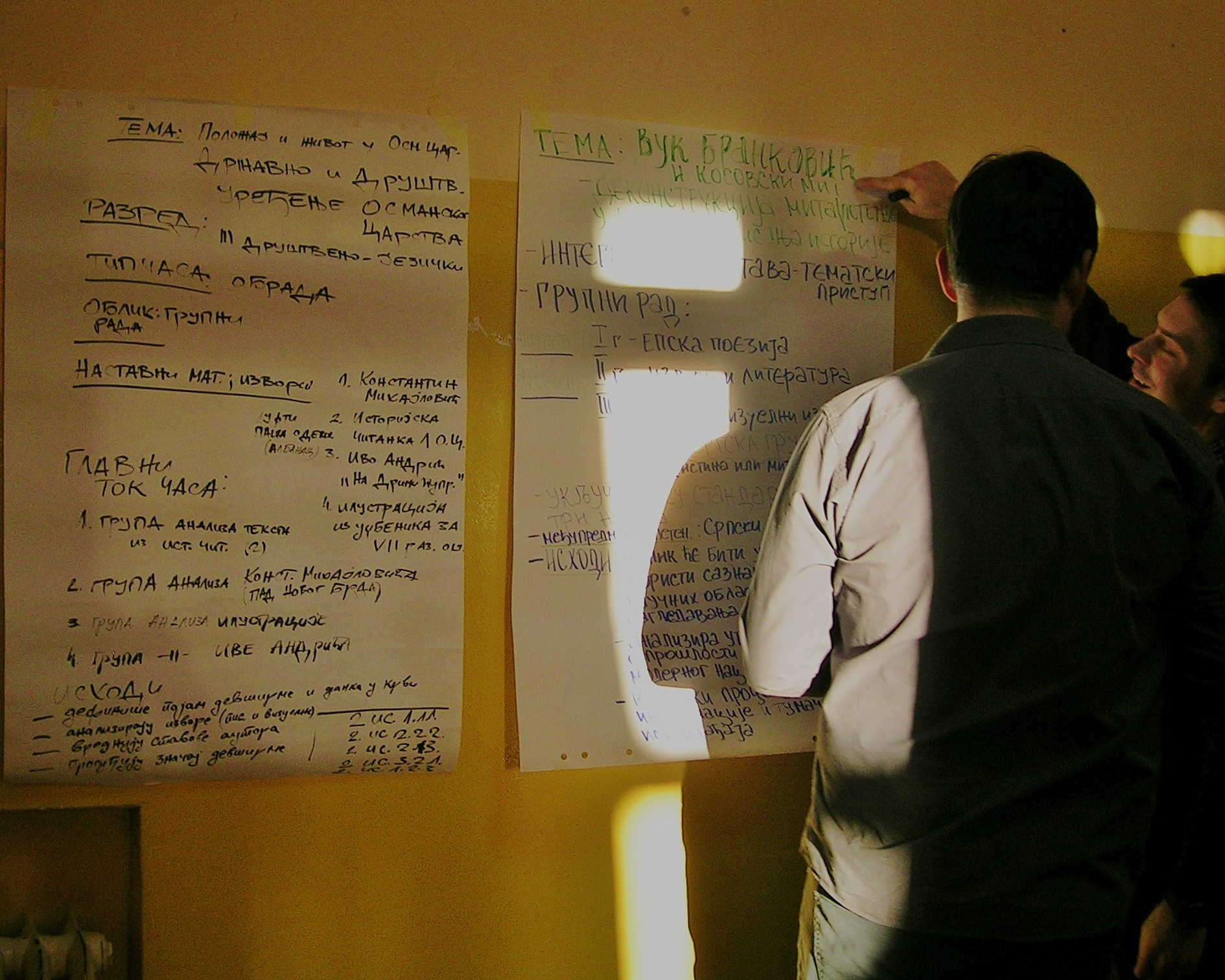
One of the most engaging parts of the seminar was a series of collaborative workshops in which teachers from different subject areas designed interdisciplinary lessons together. Through discussion, brainstorming, and creative thinking, they discovered unexpected connections between history, mathematics, chemistry, visual arts, languages, and many other subjects. What initially seemed like impossible combinations often became some of the most inspiring teaching ideas.
These workshops demonstrated that cross-curricular competences are not simply another administrative requirement, but an opportunity to make learning more meaningful, creative, and closely connected to students' real lives. At the same time, collaboration among teachers encouraged the exchange of ideas, professional learning, and the development of schools as communities that continuously reflect on and improve their educational practice.
The seminar encouraged teachers to look at educational reform from a different perspective, not as a set of new obligations, but as an opportunity to rethink teaching through collaboration, creativity, and innovative approaches that help students develop the knowledge, skills, and competences they need in the twenty-first century.
Creative Approaches to Teaching Visual Arts
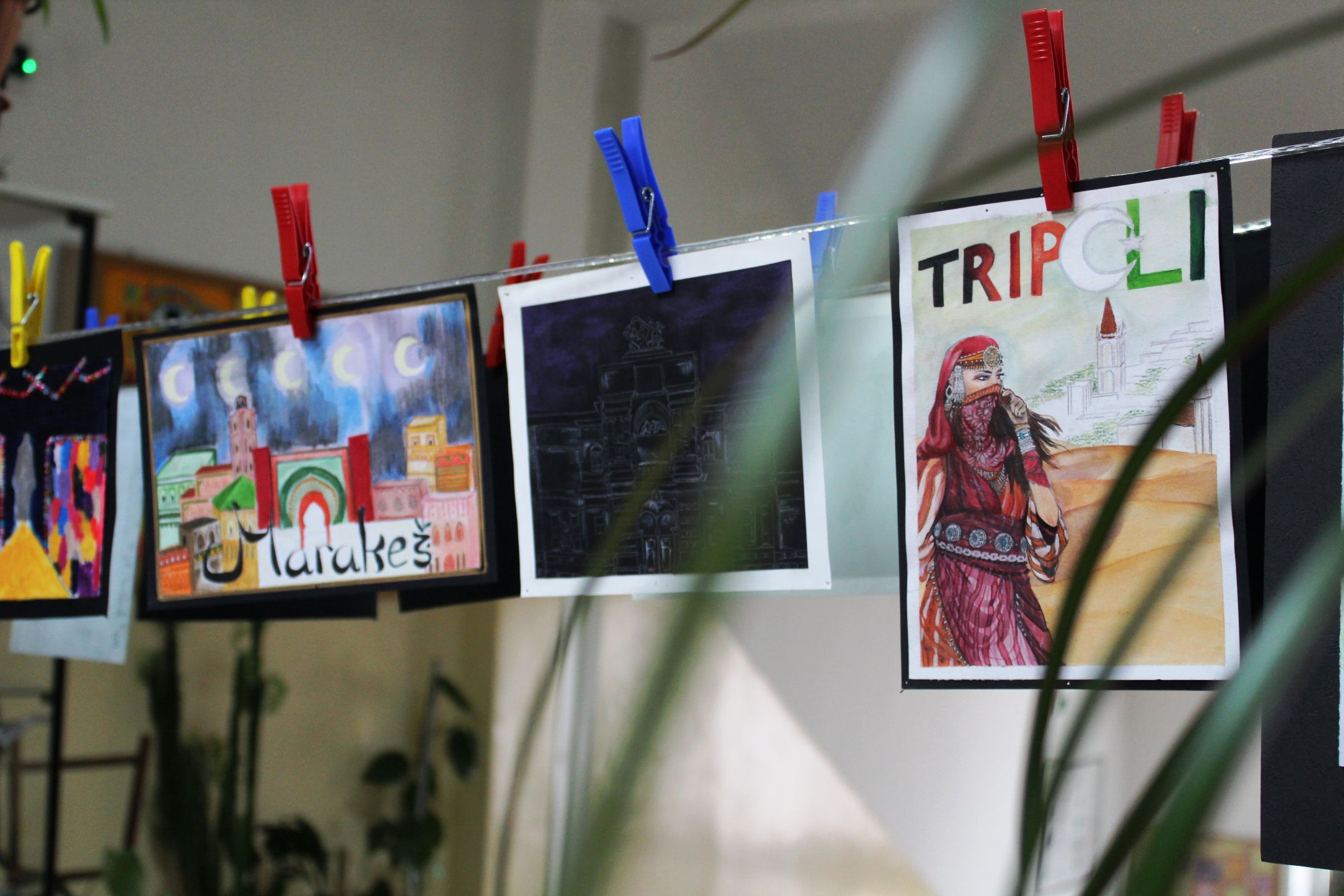
Visual arts education plays a much broader role than developing artistic skills alone. It fosters creativity, visual literacy, critical thinking, and aesthetic awareness, enabling students to understand, interpret, and critically reflect on the visual messages that shape contemporary culture and society. It was this belief that inspired the development of the seminar "Creative Approaches to Teaching Visual Arts."
The programme promoted contemporary approaches to visual arts education by connecting educational standards, learning outcomes, and cross-curricular competences with creative, inquiry-based teaching methods. Through workshops and hands-on activities, participants explored new approaches to lesson planning, designing creative learning activities, and promoting active student engagement.
Particular emphasis was placed on encouraging students' independent creative expression and on connecting visual arts with other school subjects and contemporary social issues. The seminar demonstrated how visual arts education can become a space for developing communication, collaboration, problem-solving skills, and a responsible attitude towards cultural heritage.
The programme also highlighted the role of textbooks as contemporary educational resources. Rather than being used simply as sources of information, textbooks were presented as starting points for inquiry, discussion, and creative expression, encouraging students to ask questions, make connections, and develop their own ideas.
The seminar also introduced inclusive approaches to teaching, with particular attention to strategies for working with students with disabilities. Through practical examples and the exchange of experiences, teachers developed new competences for creating supportive learning environments in which every student could explore and develop their potential through art.