The Heritage of Multiconfessional Belgrade project was launched in 2011 as an initiative of students and teachers from the Belgrade Gymnasiums. What began as a school project soon evolved into a structured educational program dedicated to exploring the heritage of national and religious minorities and understanding their role in shaping Belgrade’s identity.
At its core, the project aimed to make minority heritage visible, accessible and relevant to young generations.
Concept
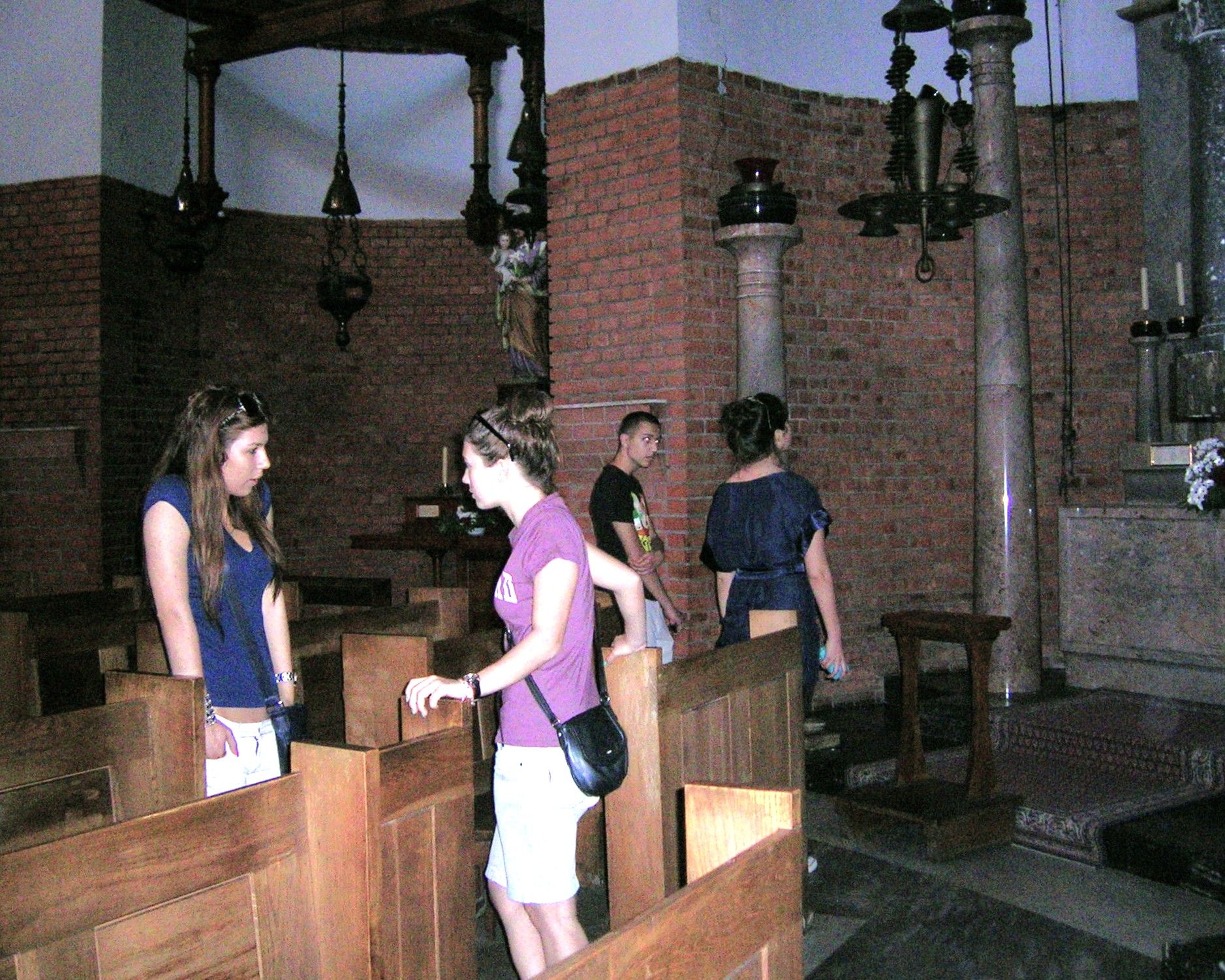
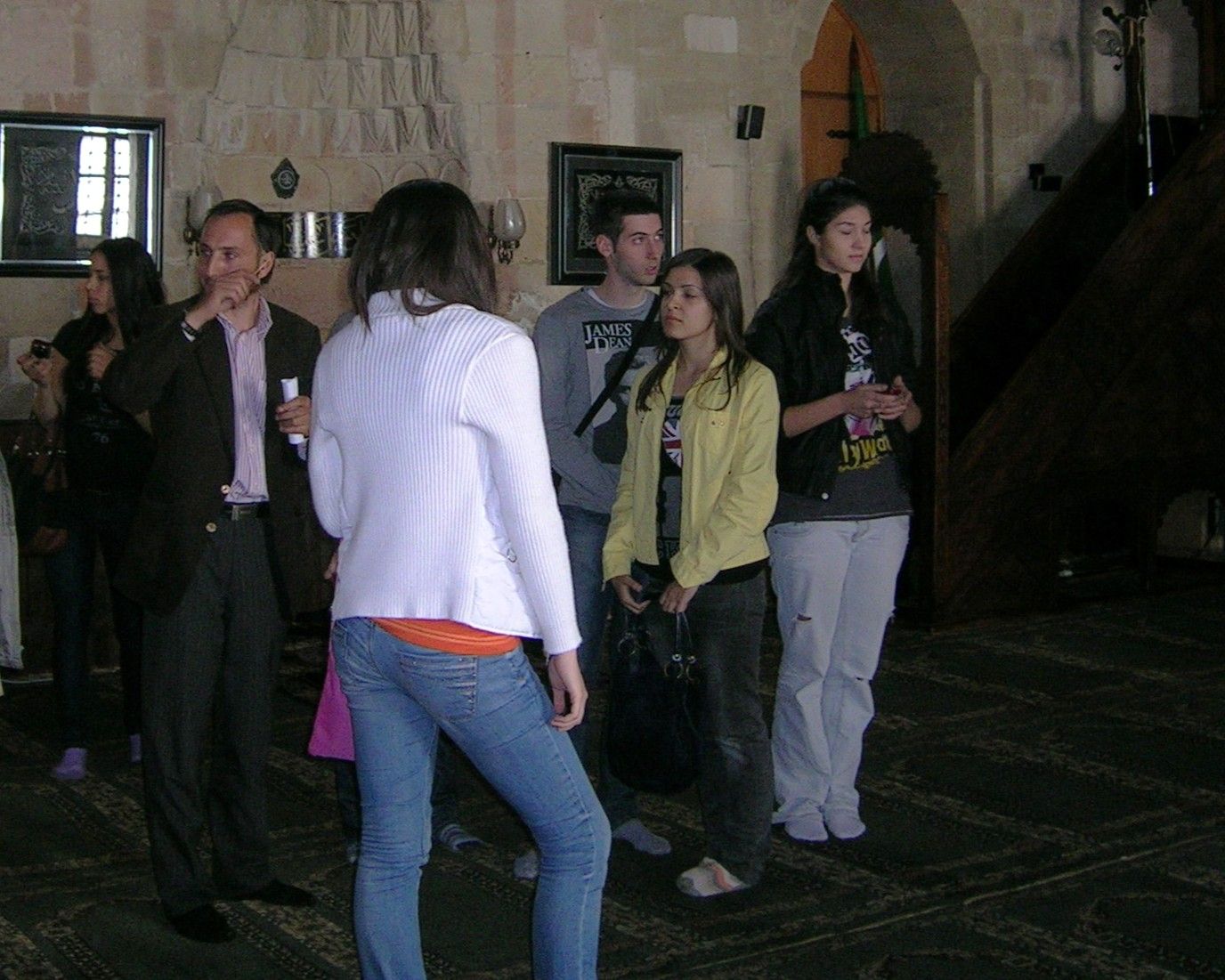
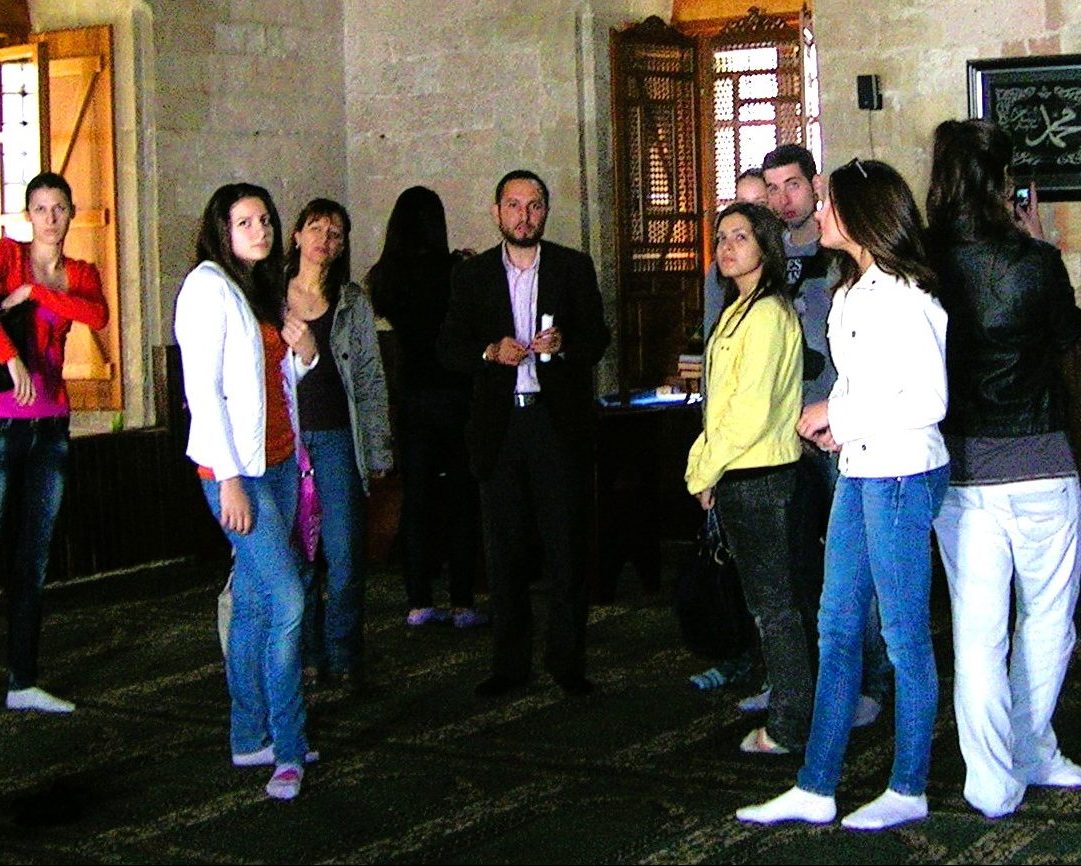
Students explored Belgrade as a shared space of multiple identities and faith traditions. The program included guided visits to key sites of minority heritage, including:
-
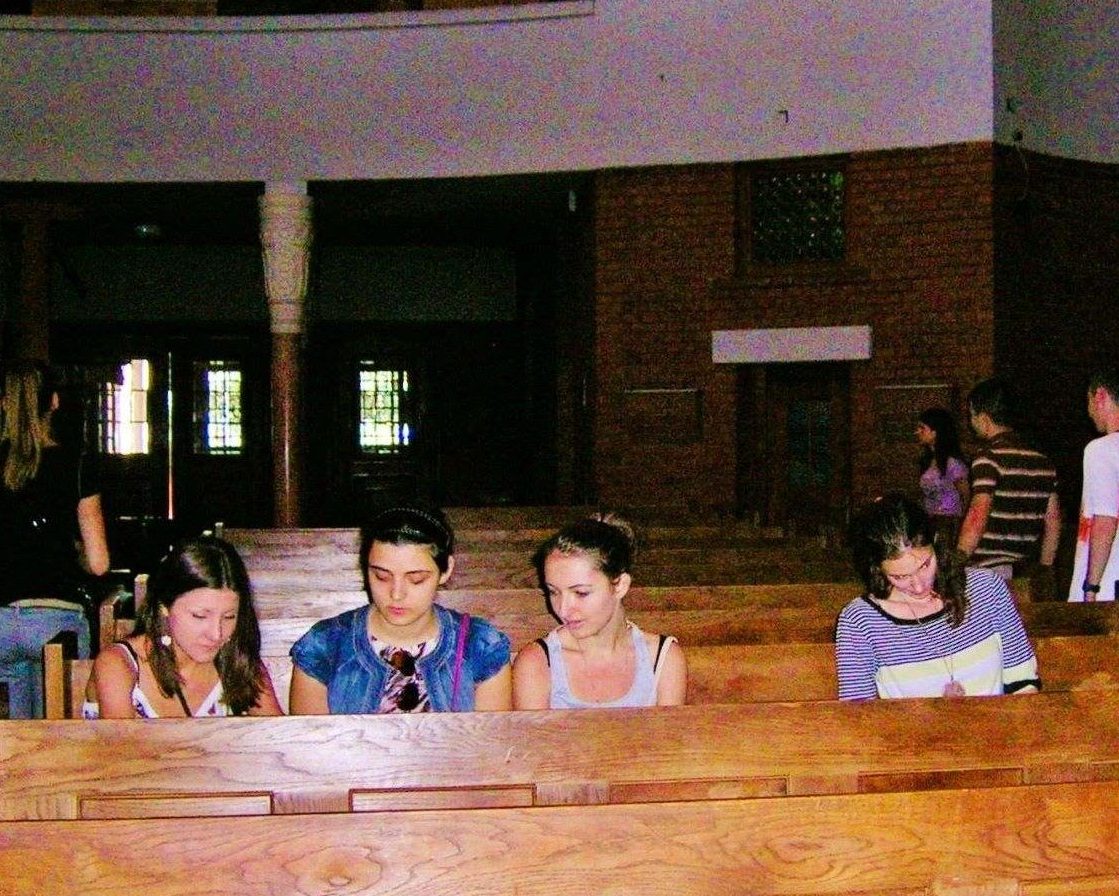
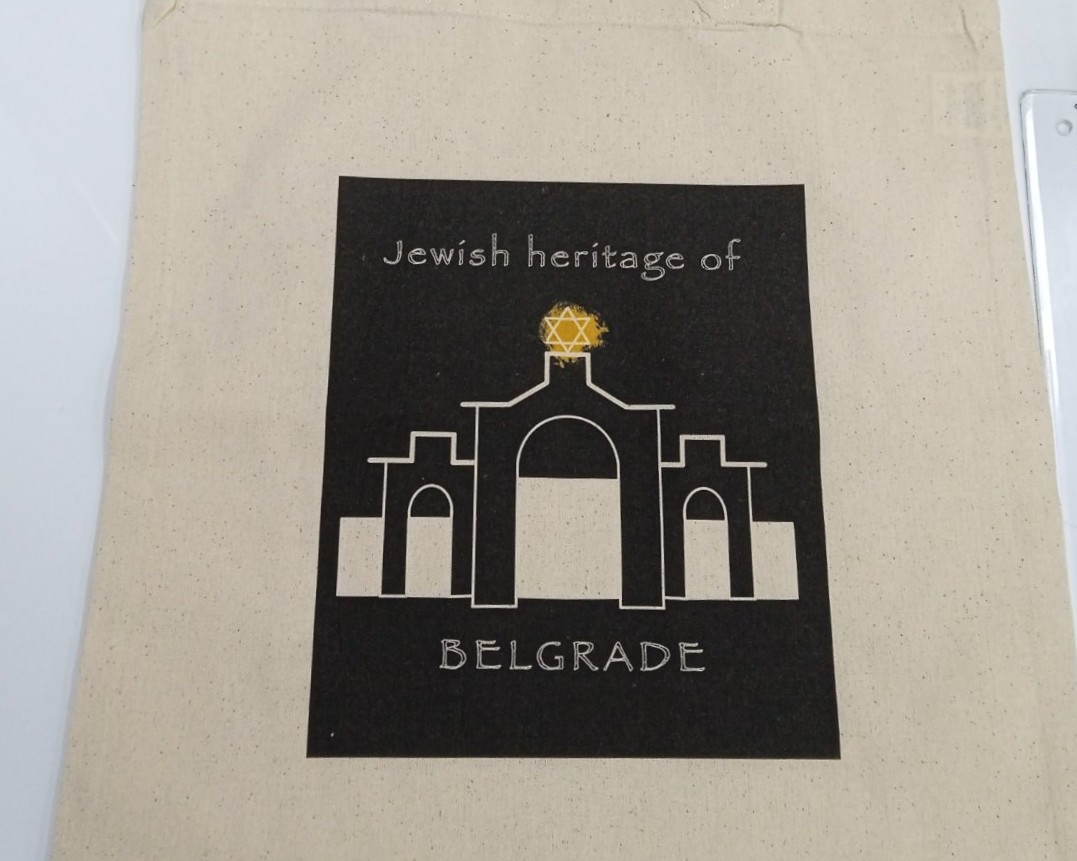
the Belgrade Synagogue, representing the Jewish community
-
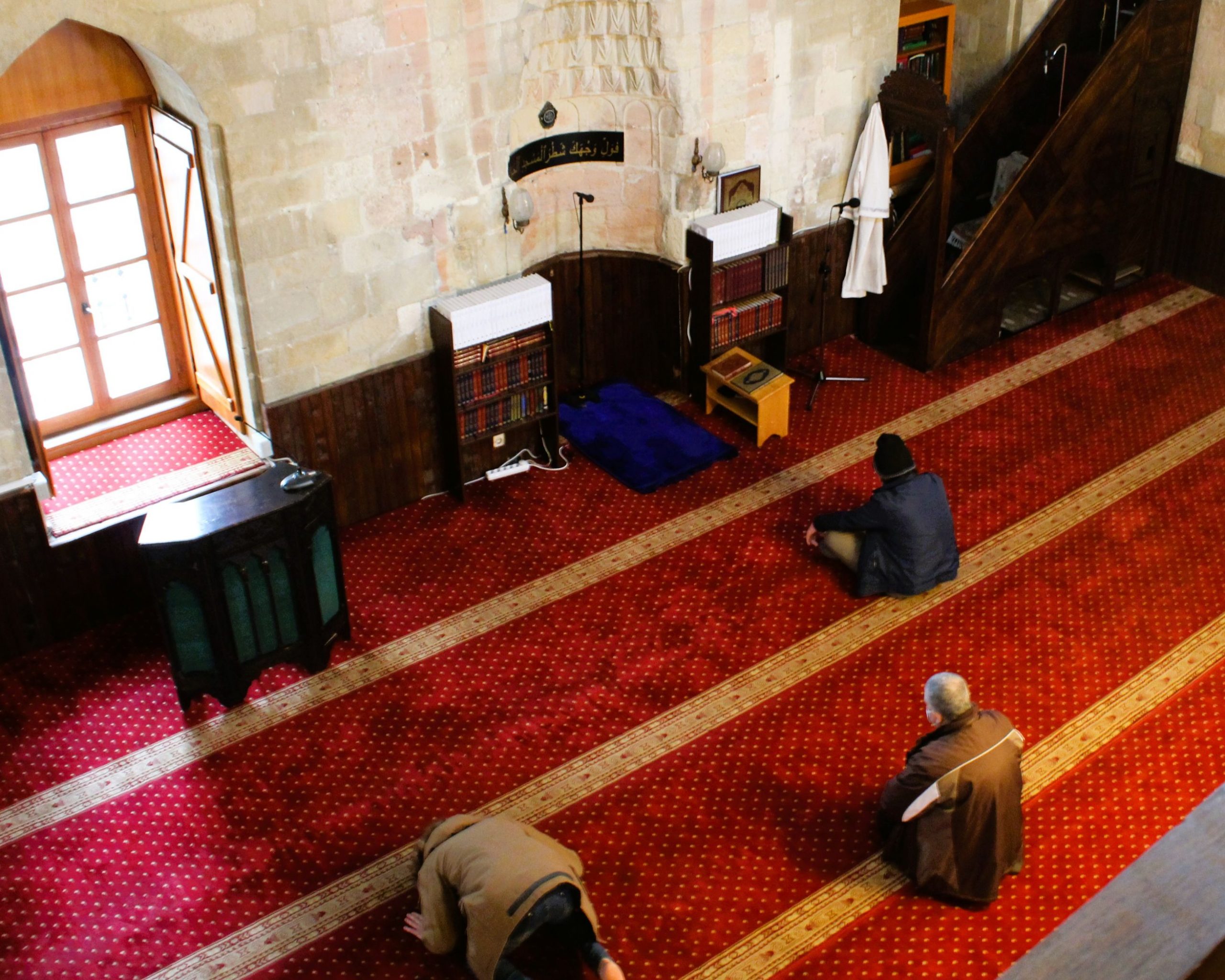
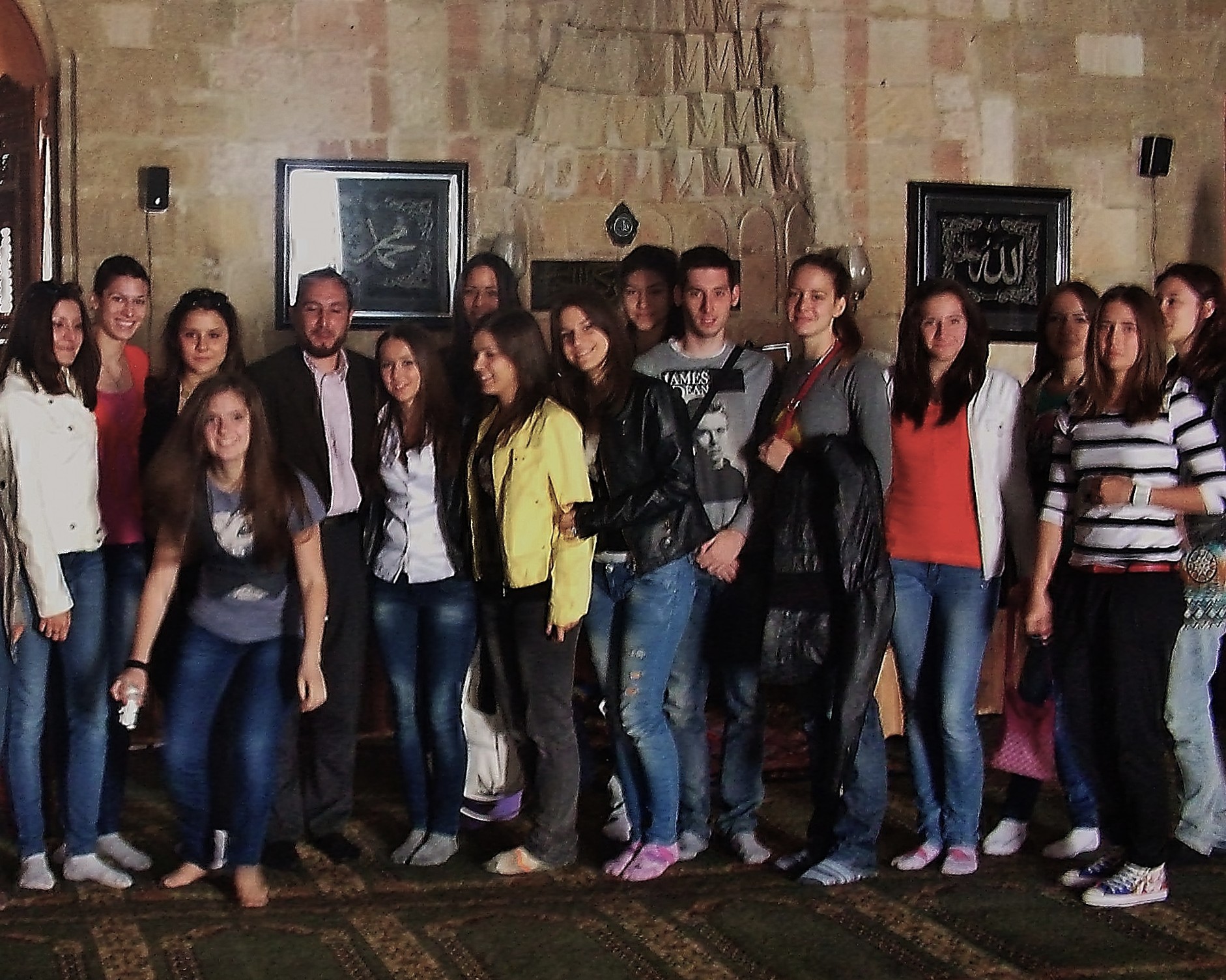
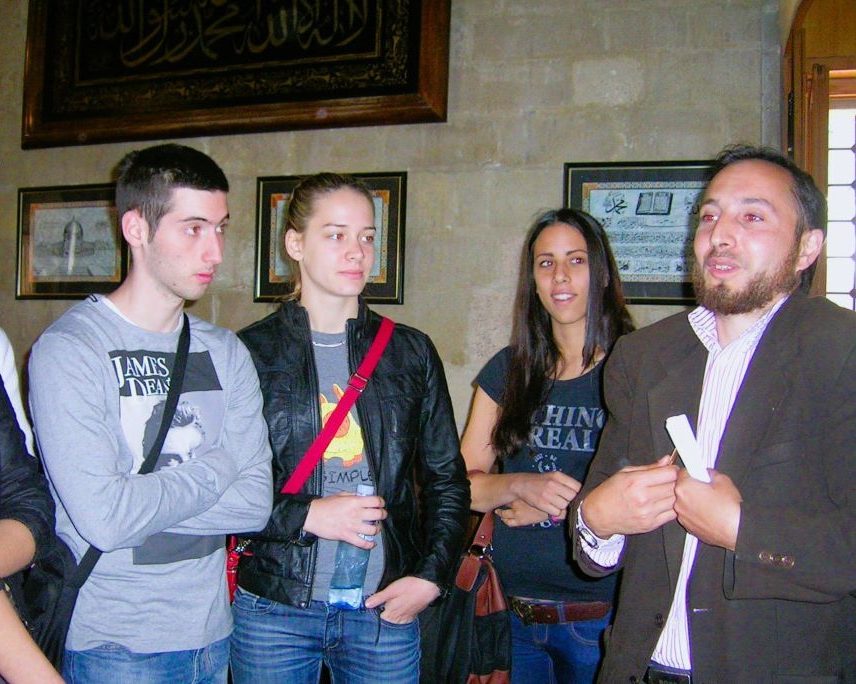
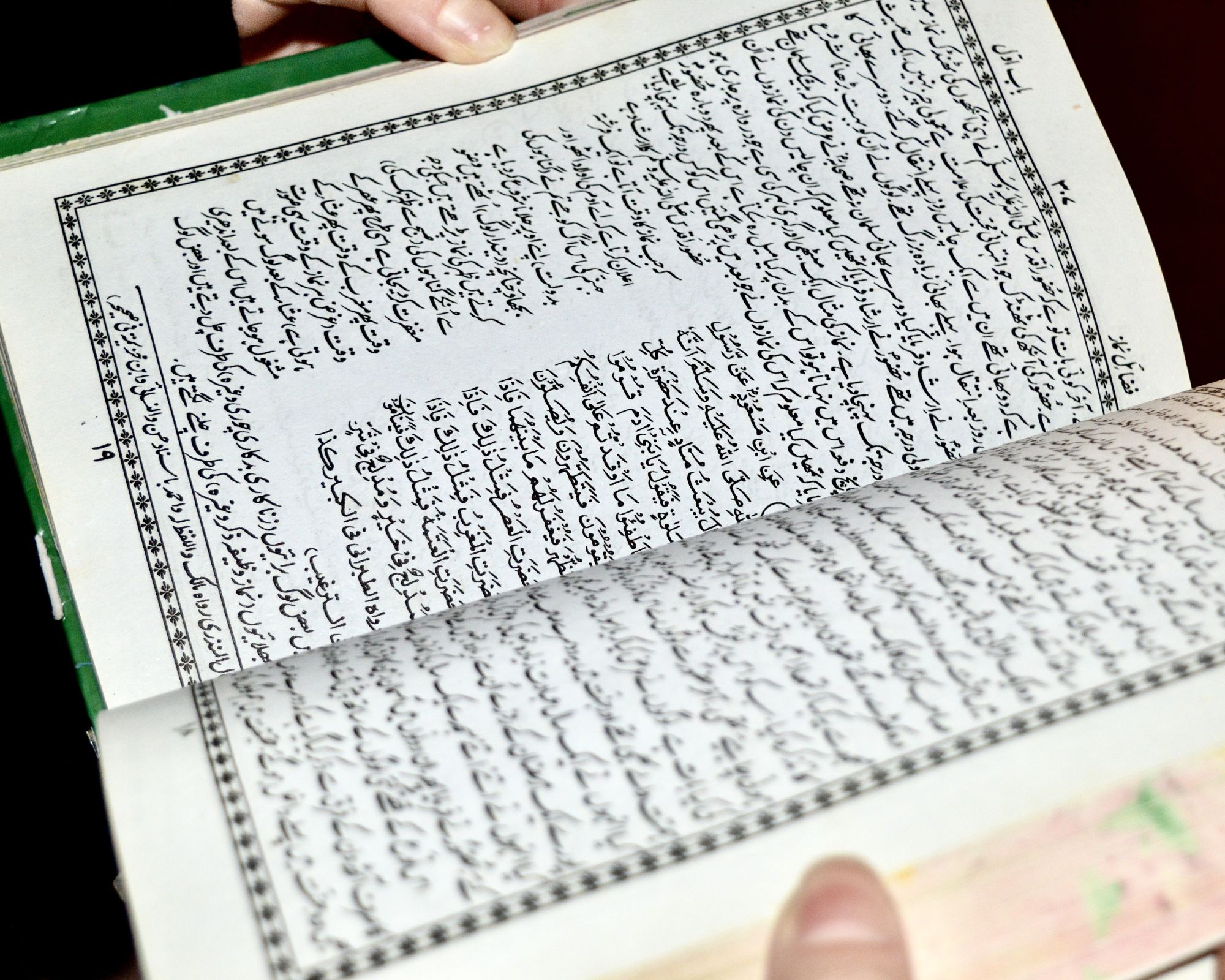
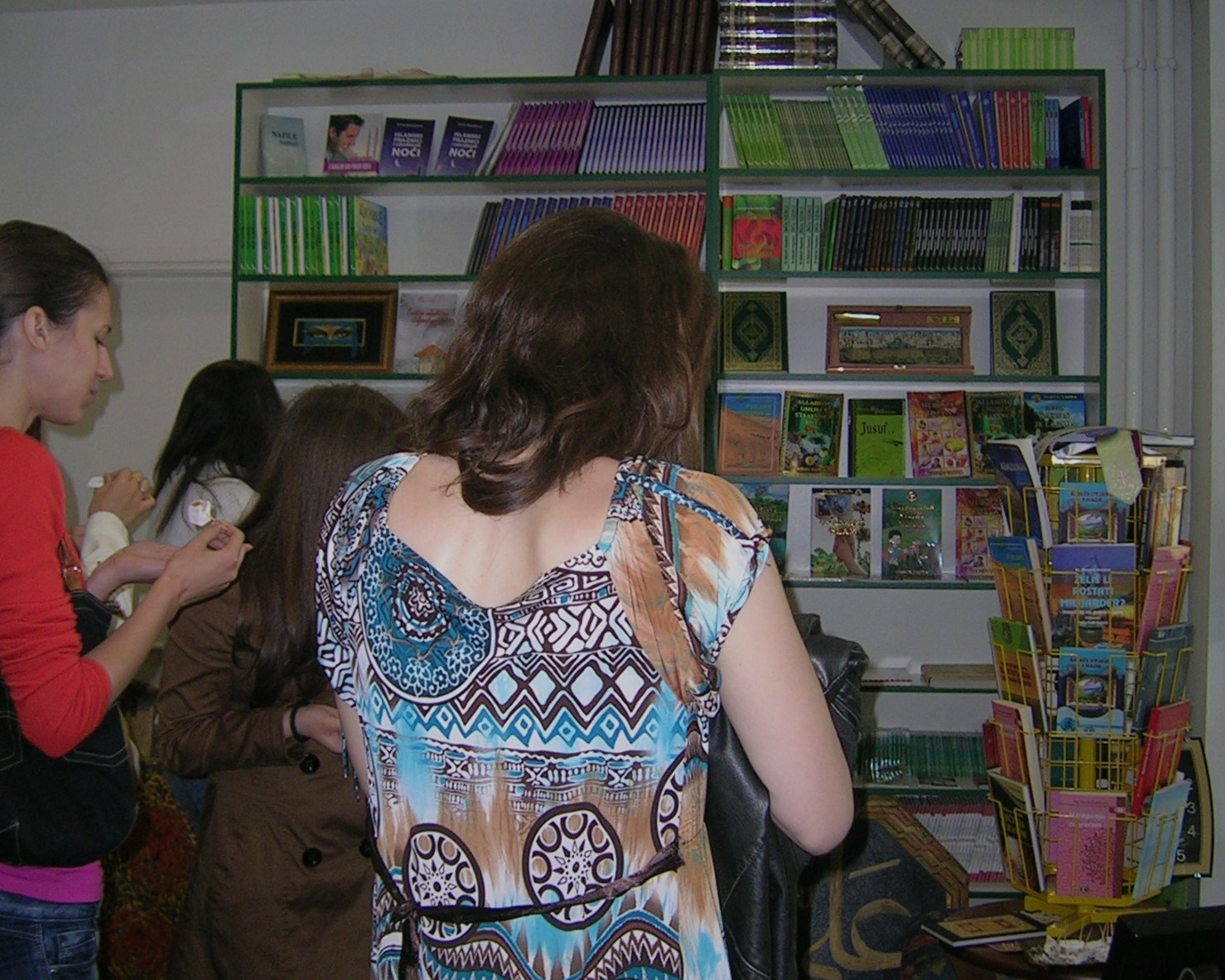
the Bajrakli Mosque, as the historic center of the Islamic community in Belgrade
-
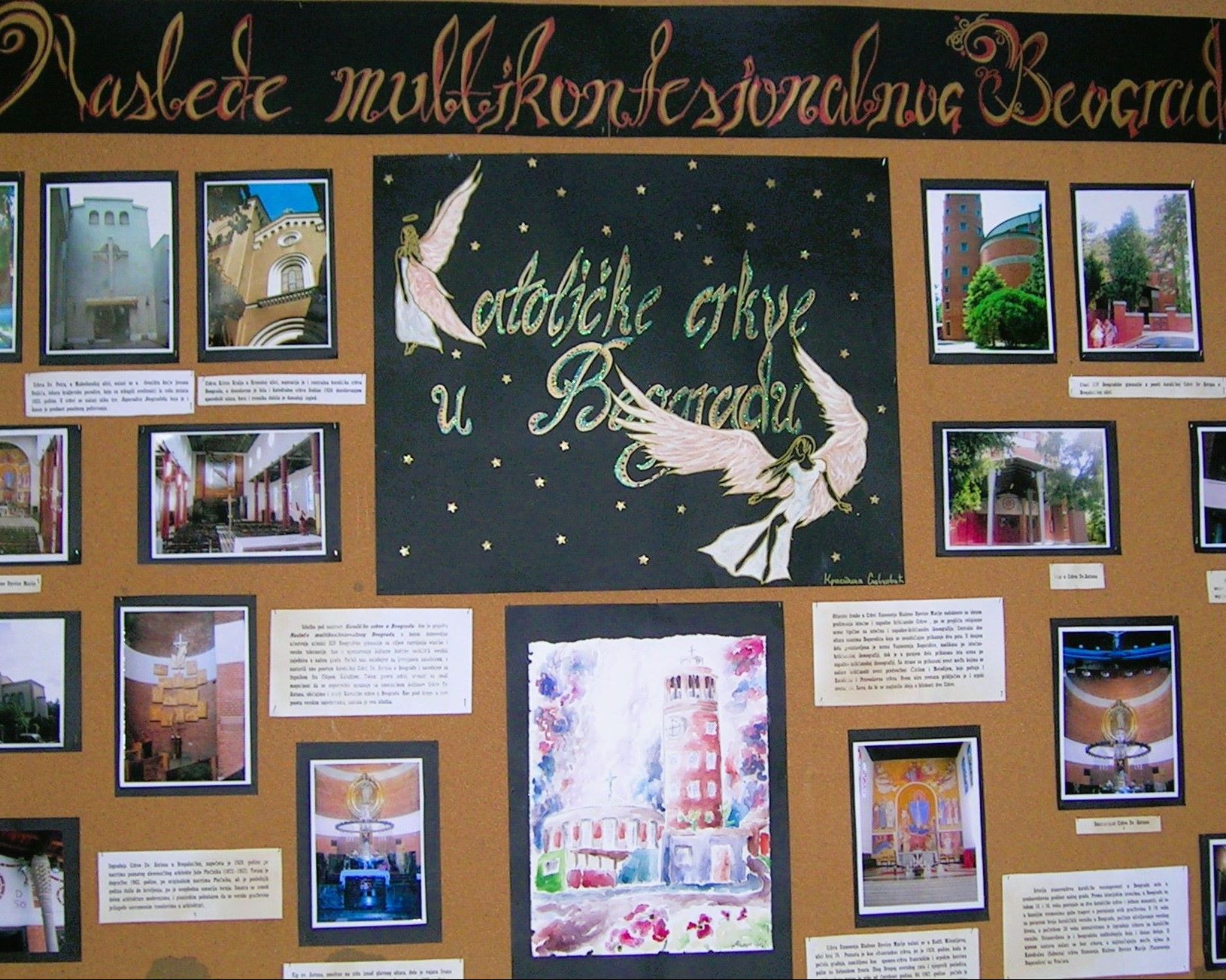
the Catholic Archdiocese of Belgrade, reflecting the presence of the Catholic minority
-
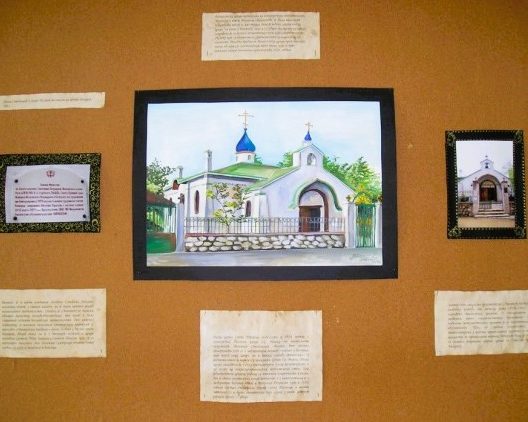
as well as Orthodox churches (Russain) and other religious landmarks
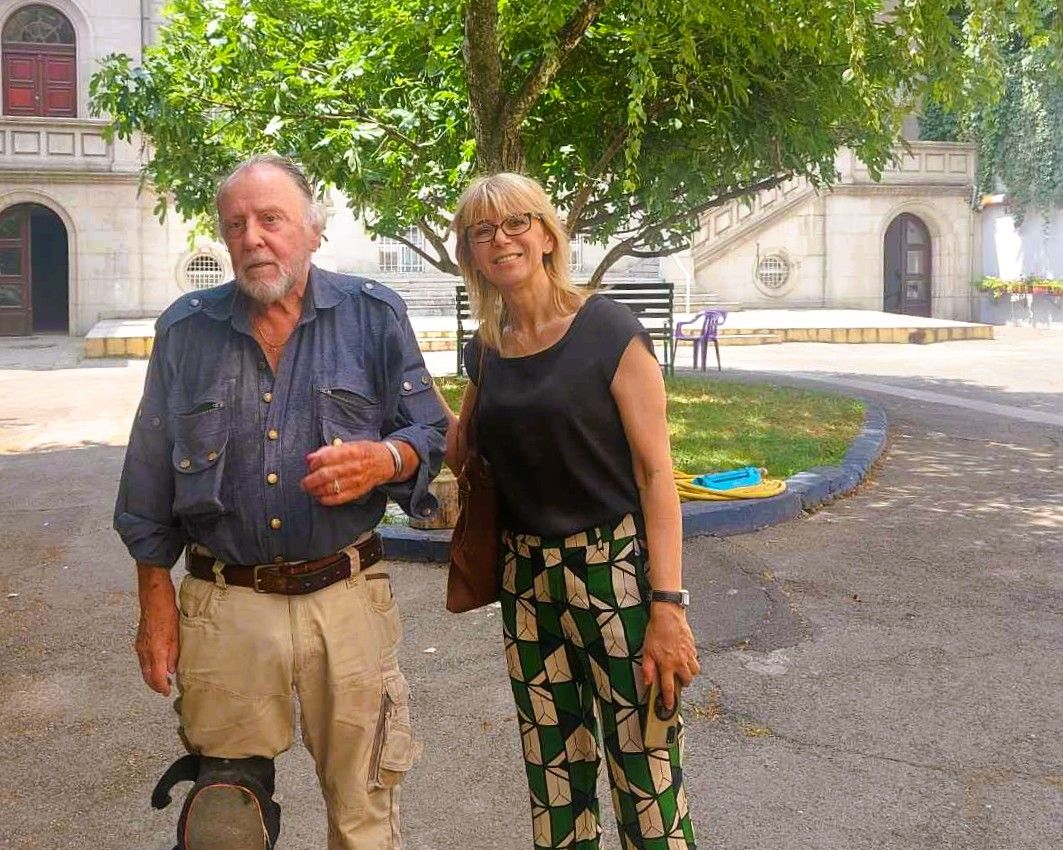
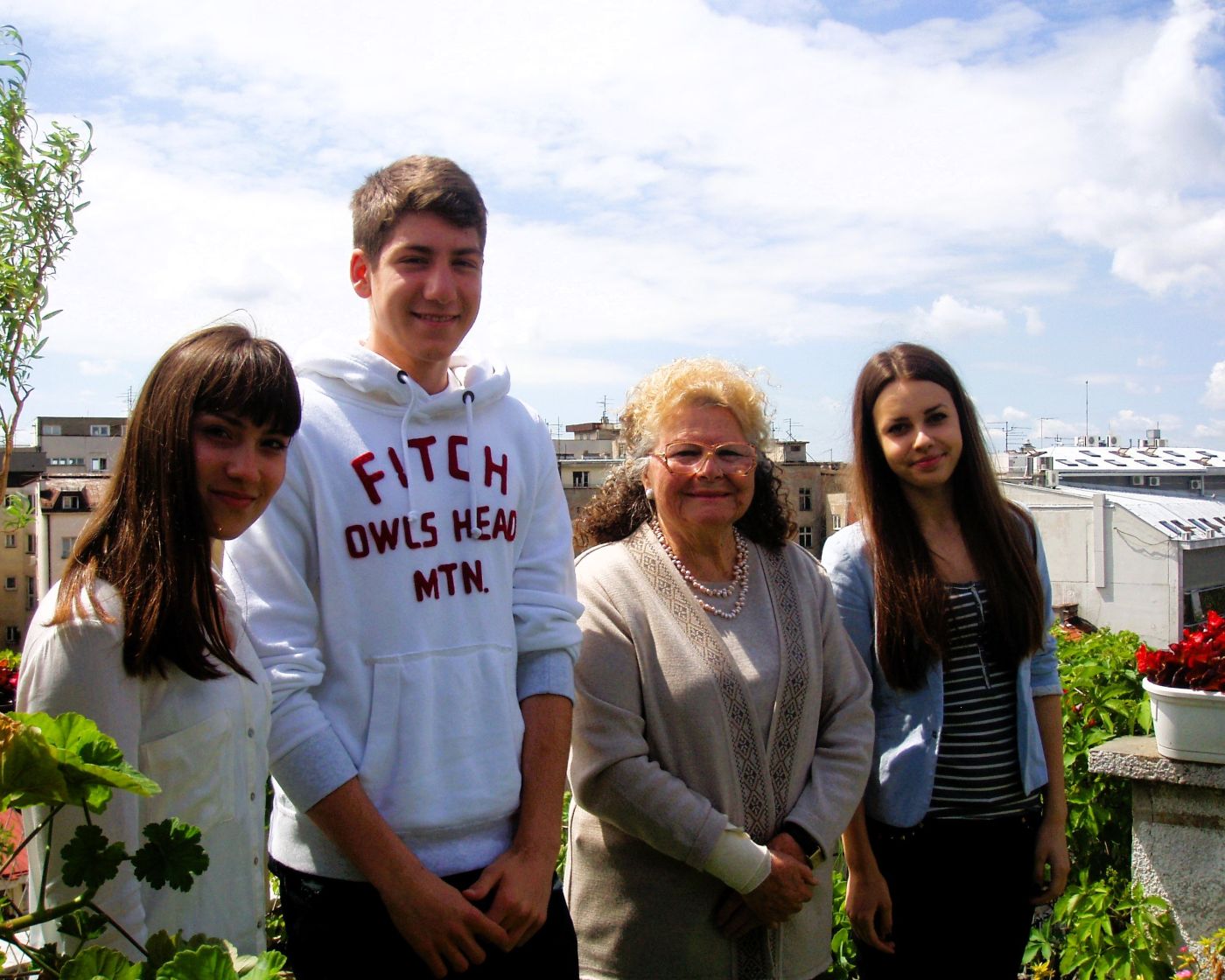
These visits were not symbolic tours, but structured educational encounters. Students engaged directly with representatives of different faith communities, learning about their history, traditions, challenges and contributions to the city’s development.
Methodology
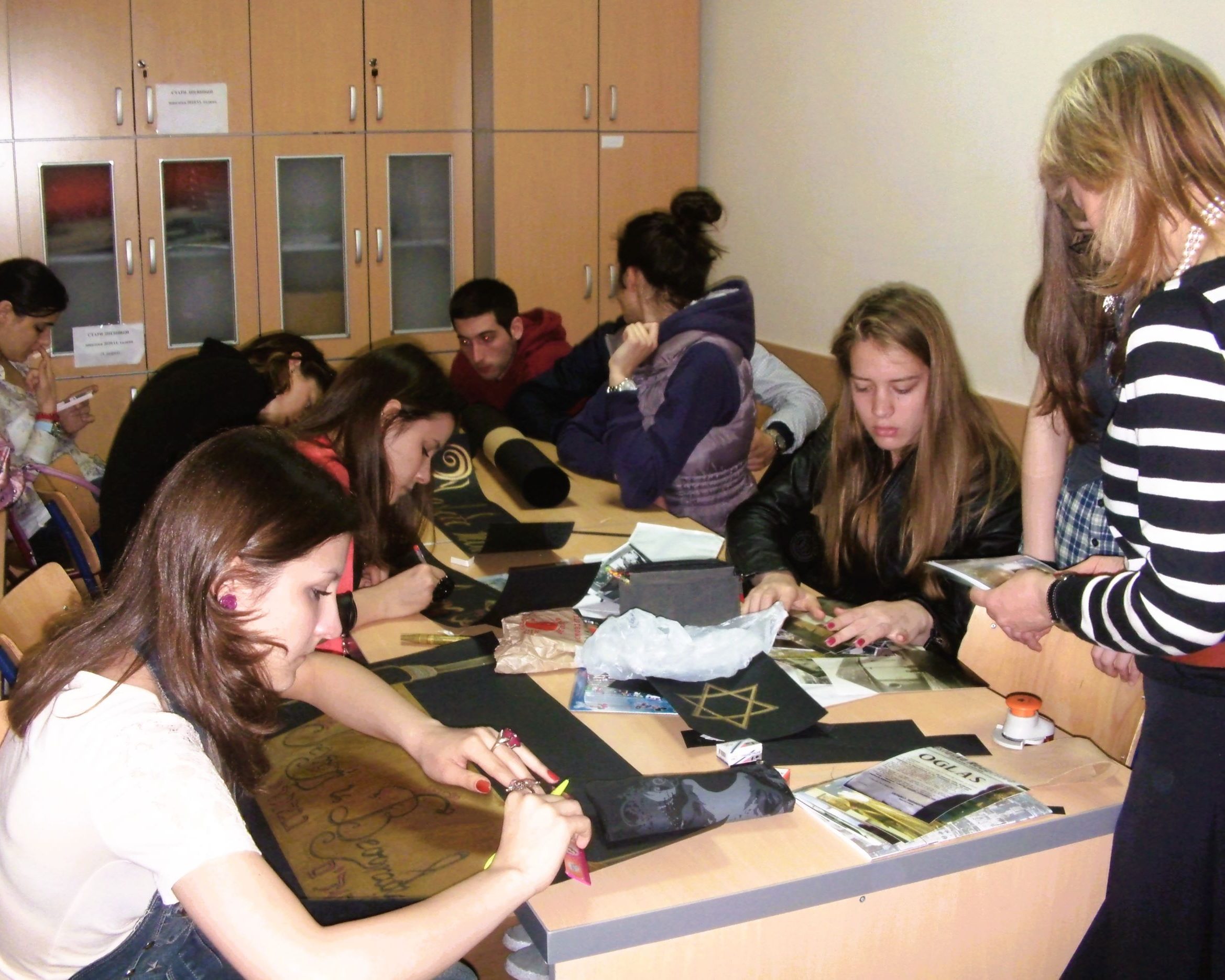
Participants were encouraged to reinterpret what they discovered through creative and research-based work — photography, essays, interviews and visual storytelling.
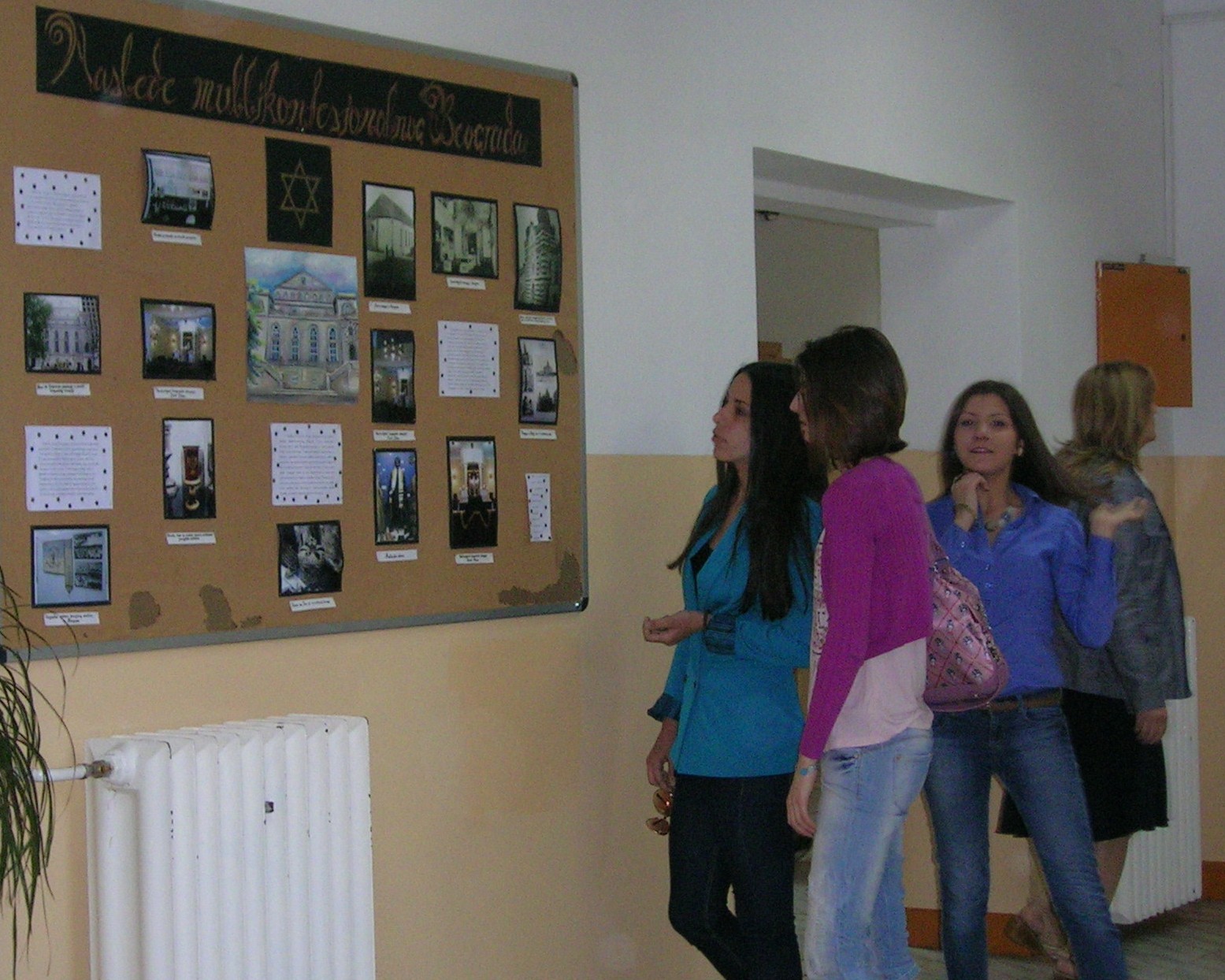
They developed a living, visual map of Belgrade’s multiconfessional heritage, presenting religious and cultural monuments not as isolated sites, but as integral parts of the city’s collective memory and contemporary life. Public exhibitions and presentations created spaces for dialogue about identity, coexistence and minority rights.
Impact
-
Increased visibility of Jewish, Muslim and Catholic minority heritage in public education
-
Strengthened interfaith and intercultural understanding among high school students
-
Encouraged responsible engagement with sensitive historical narratives
-
Promoted respect for national minorities as essential contributors to Belgrade’s social and cultural fabric
Through this project, students came to understand that national minorities are not peripheral to the city’s story — they are central to it. Belgrade emerged as a dynamic intersection of cultures, religions and identities, where diversity is not merely tolerated, but recognized as a foundational value.