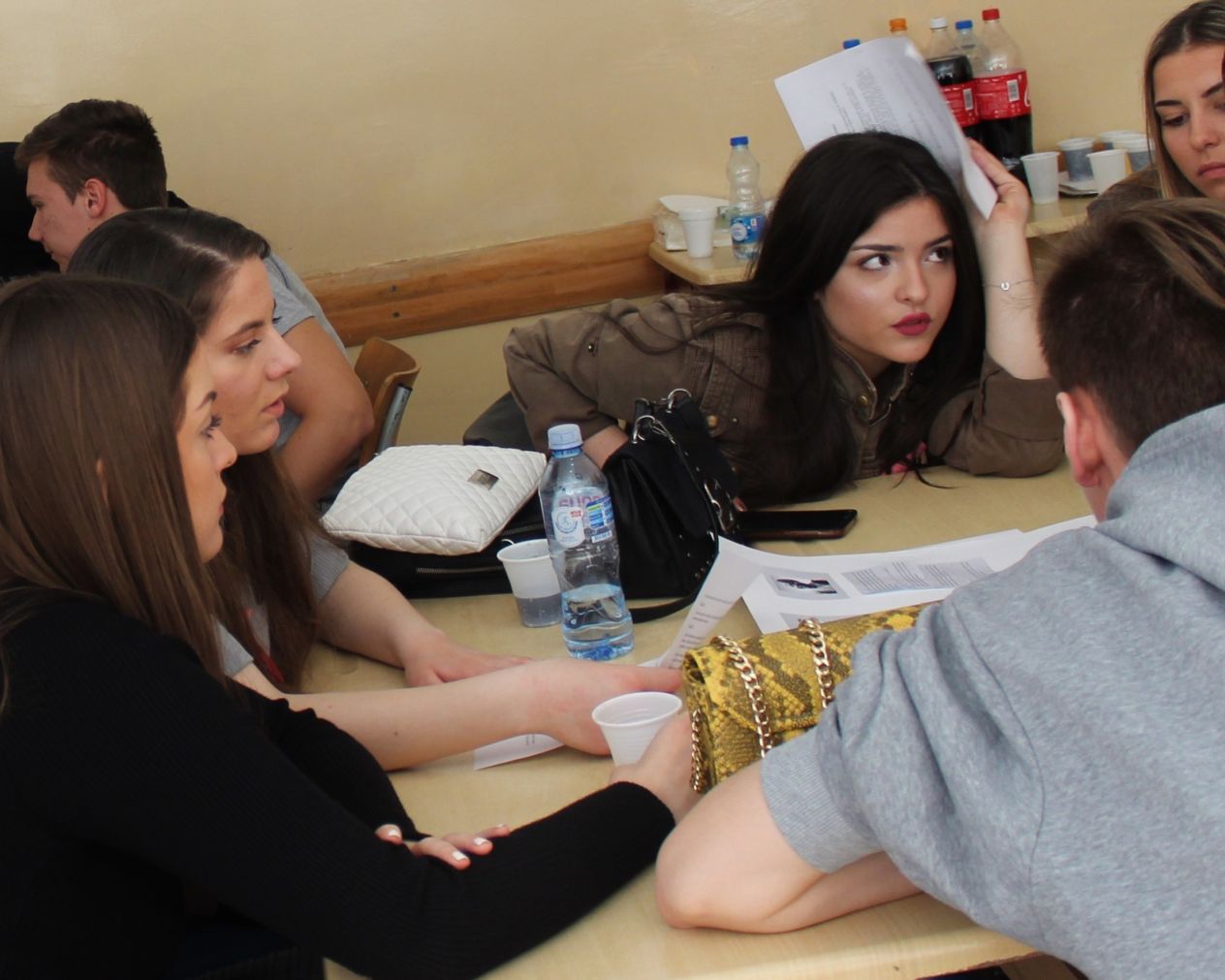
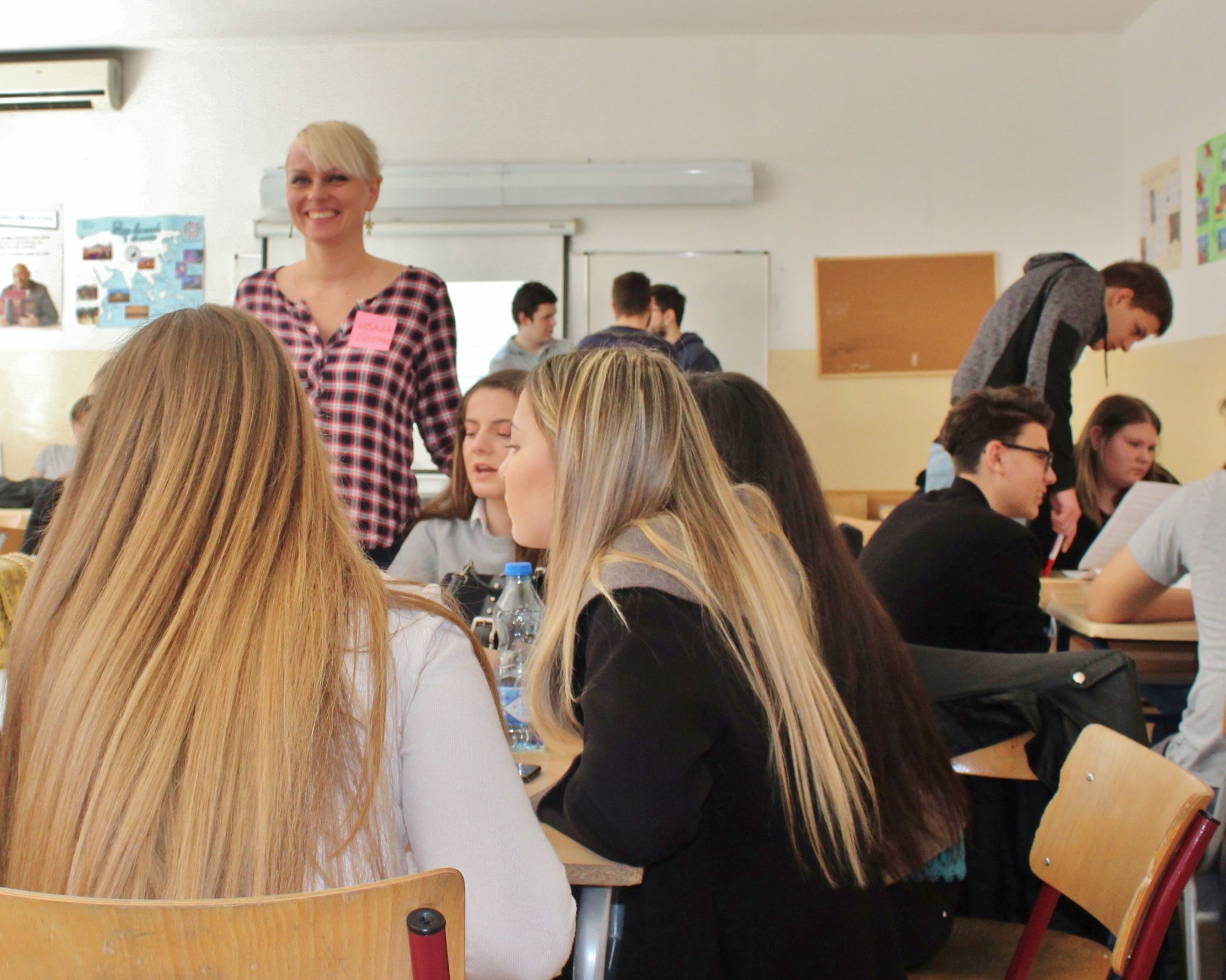
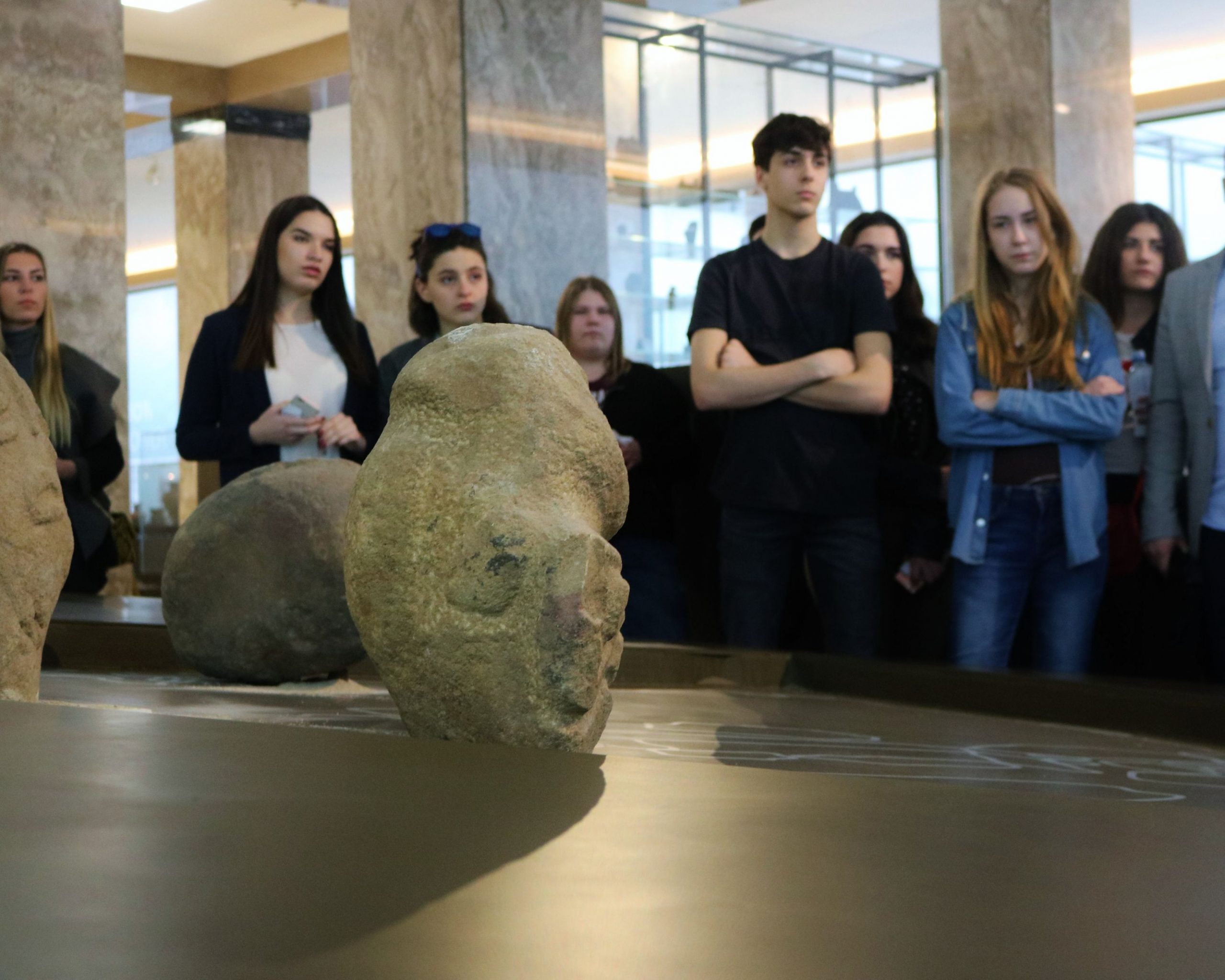
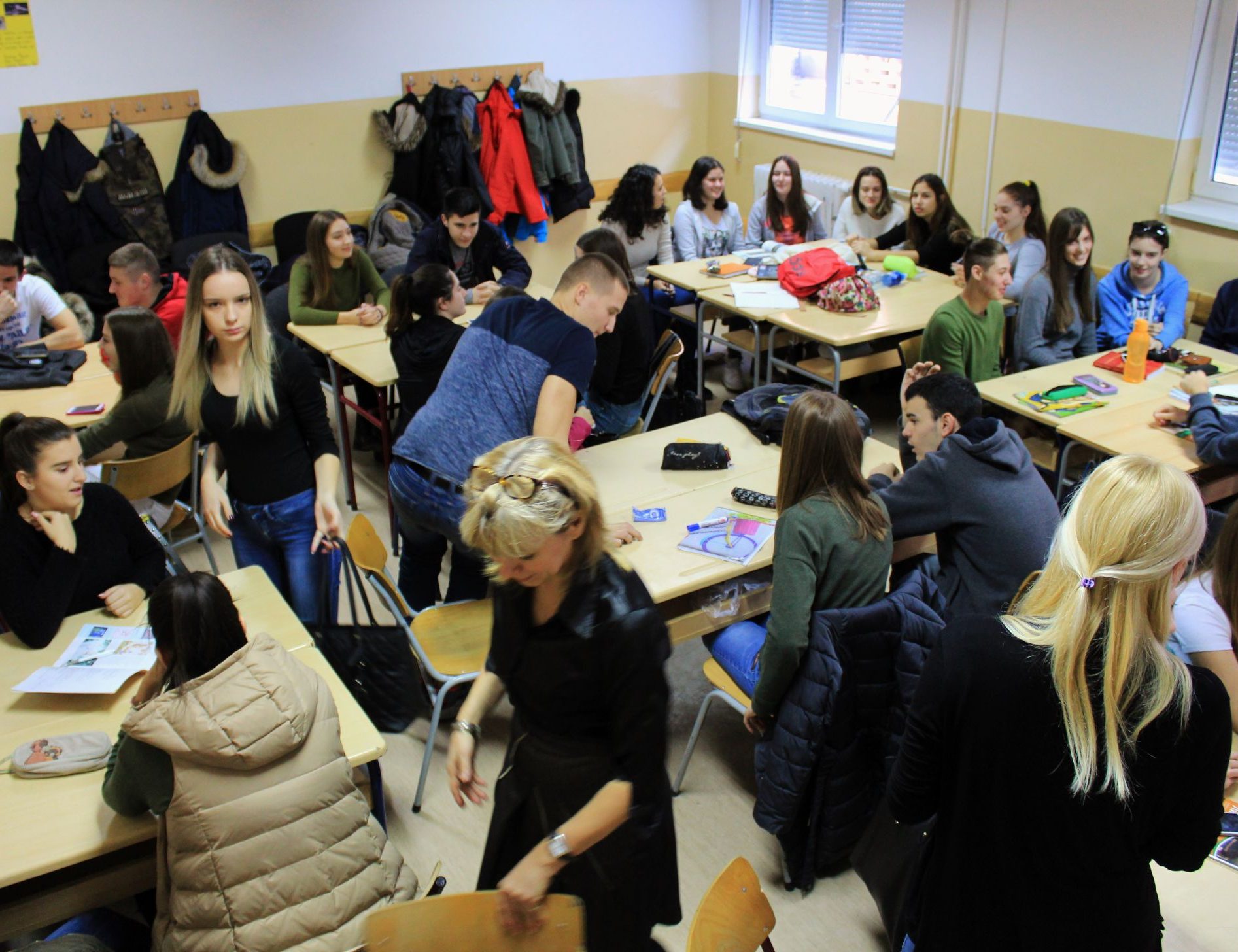
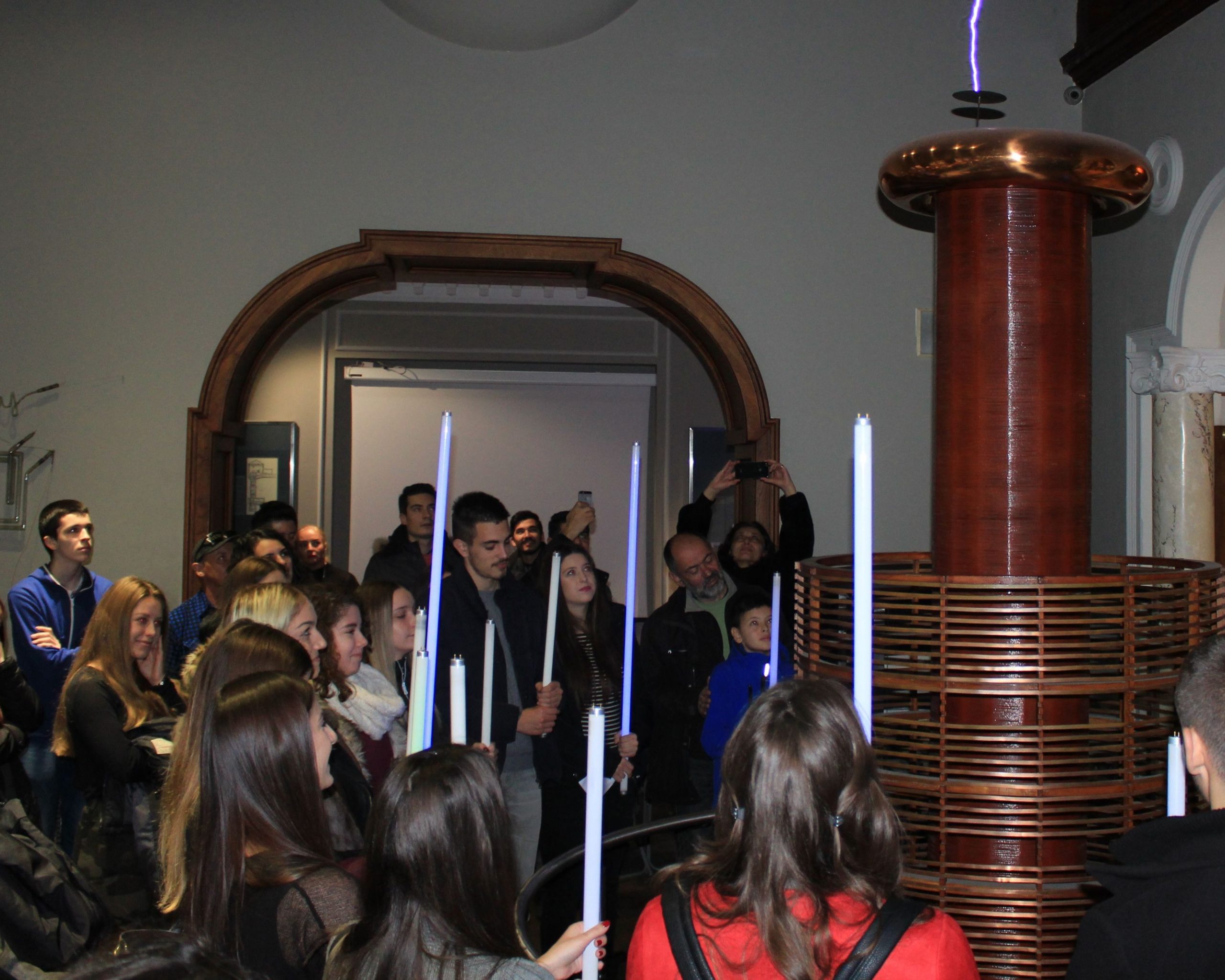
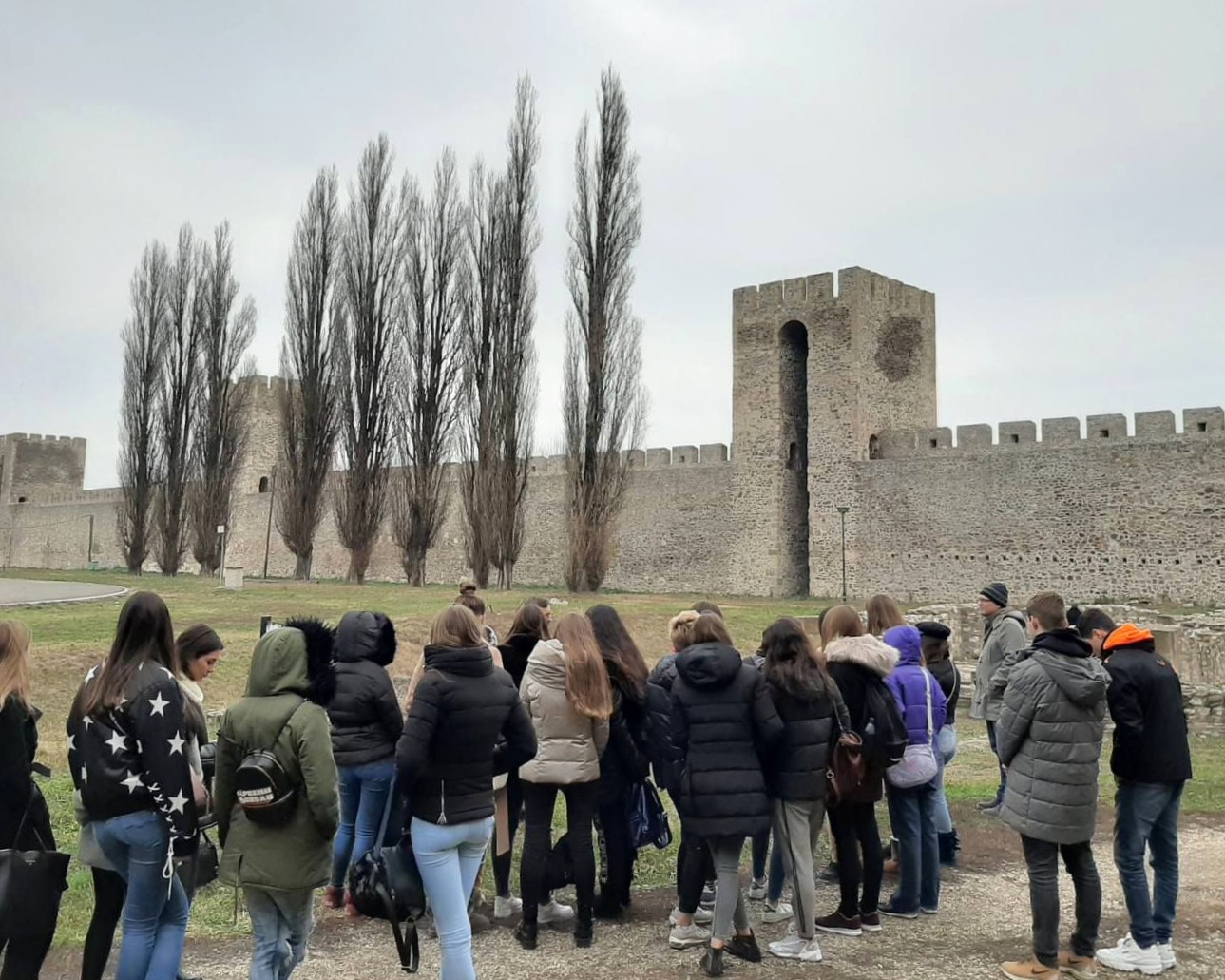
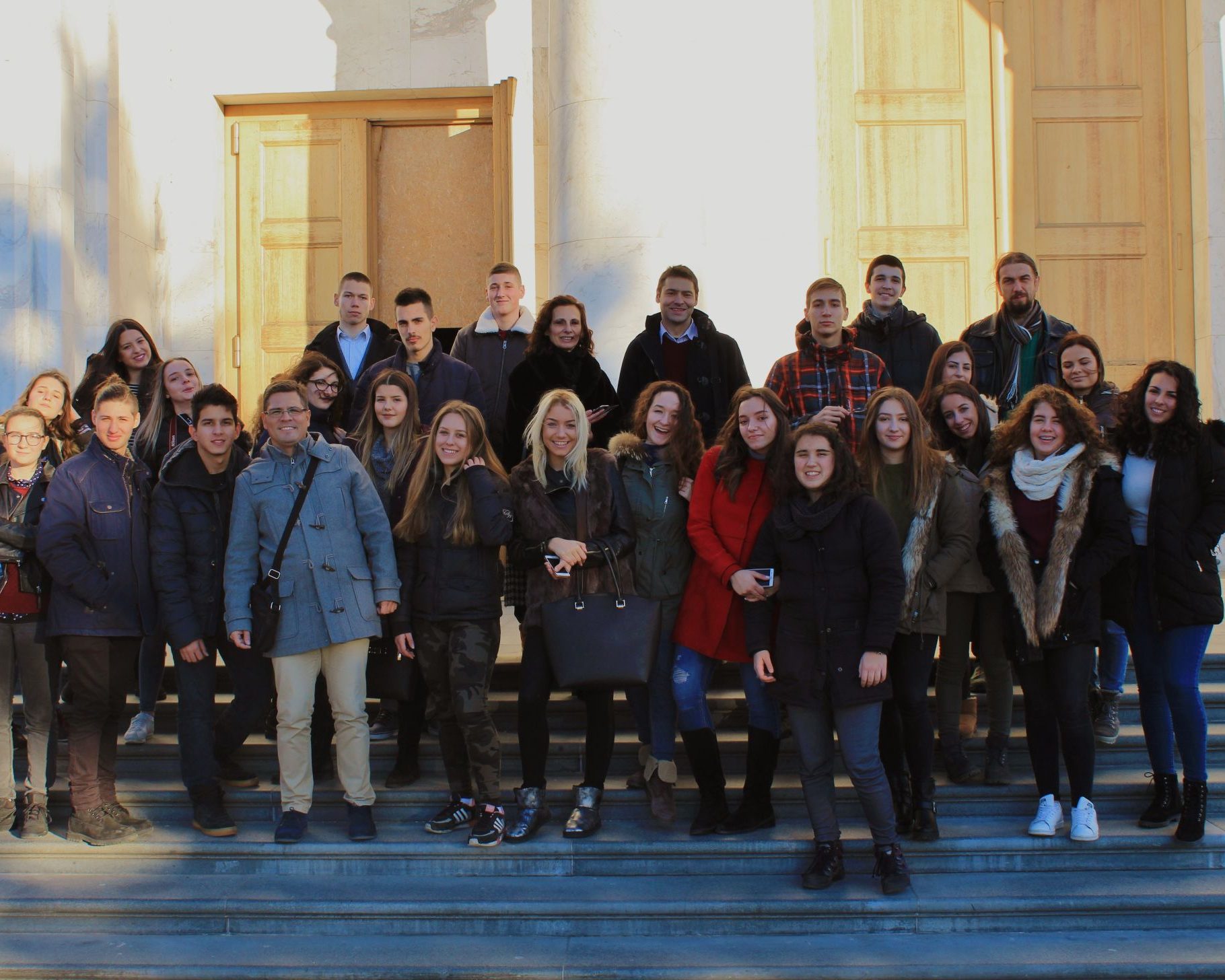
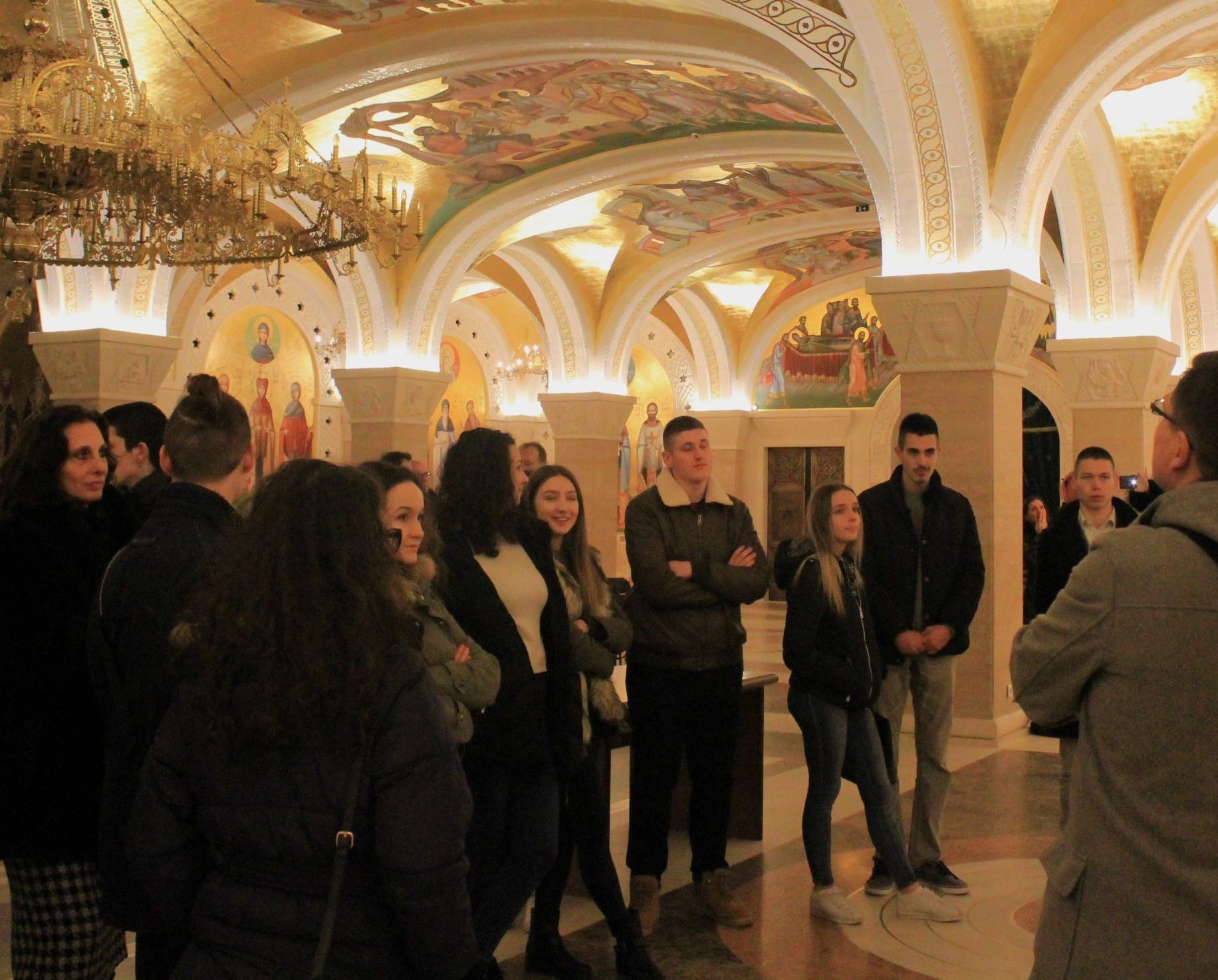
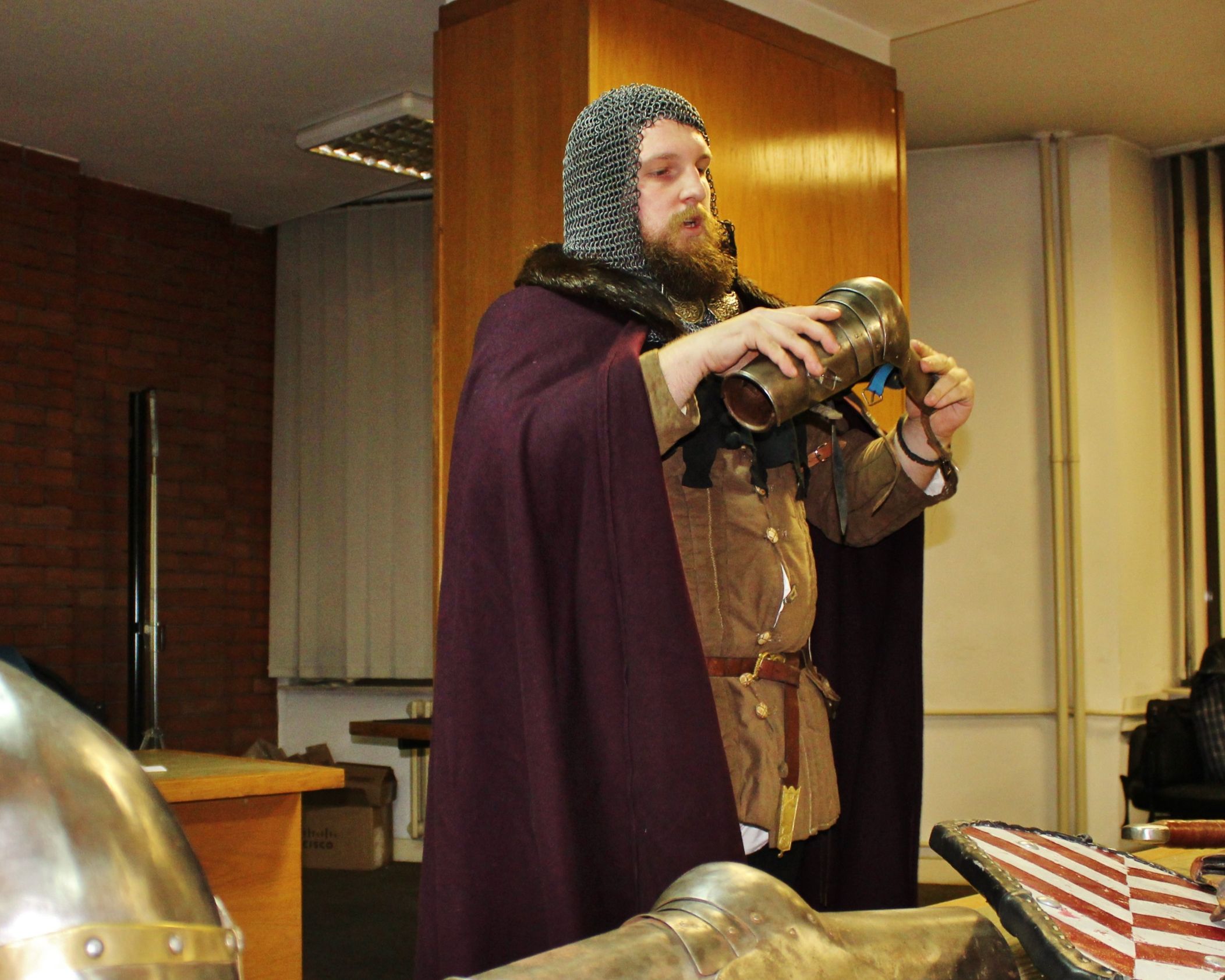
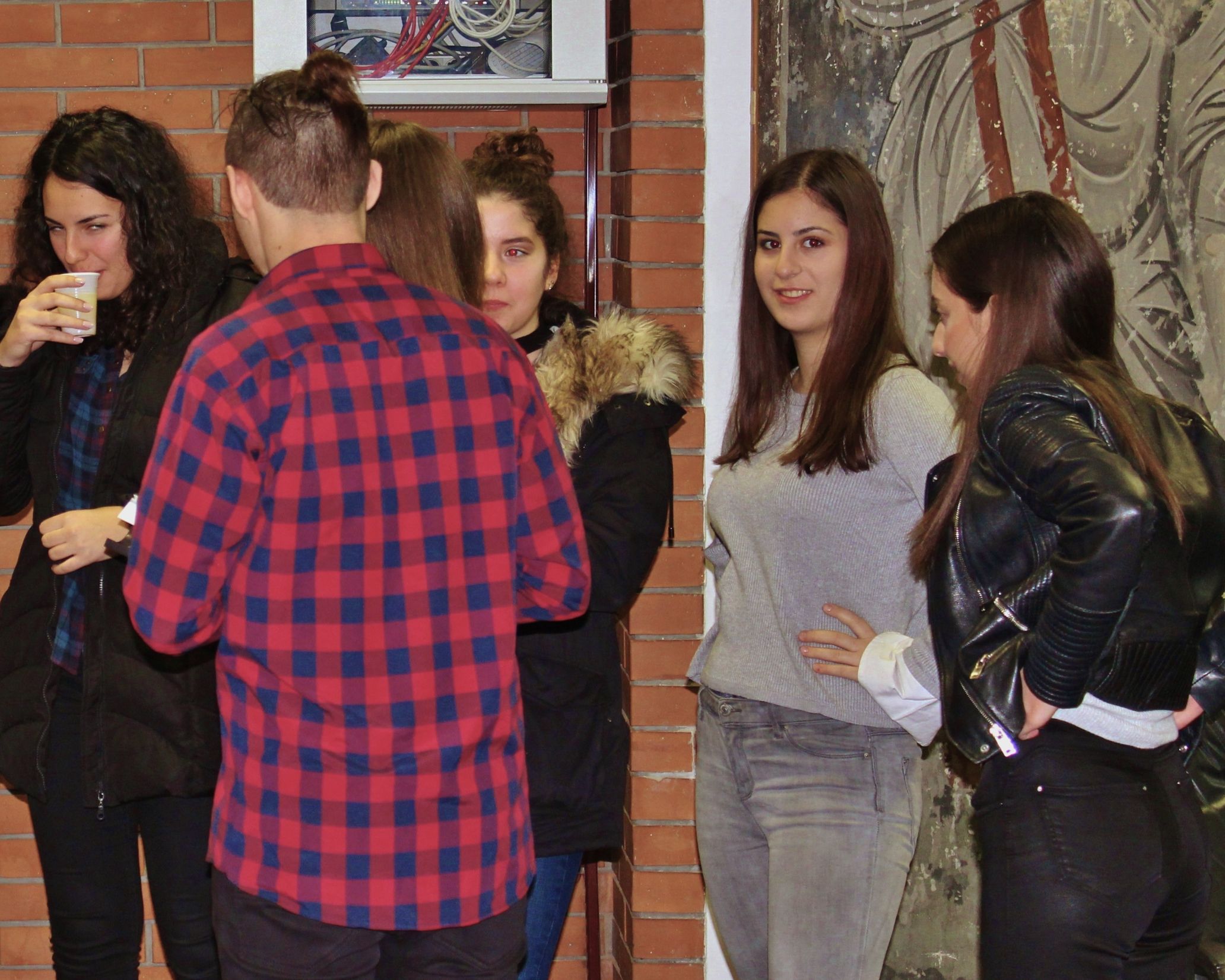
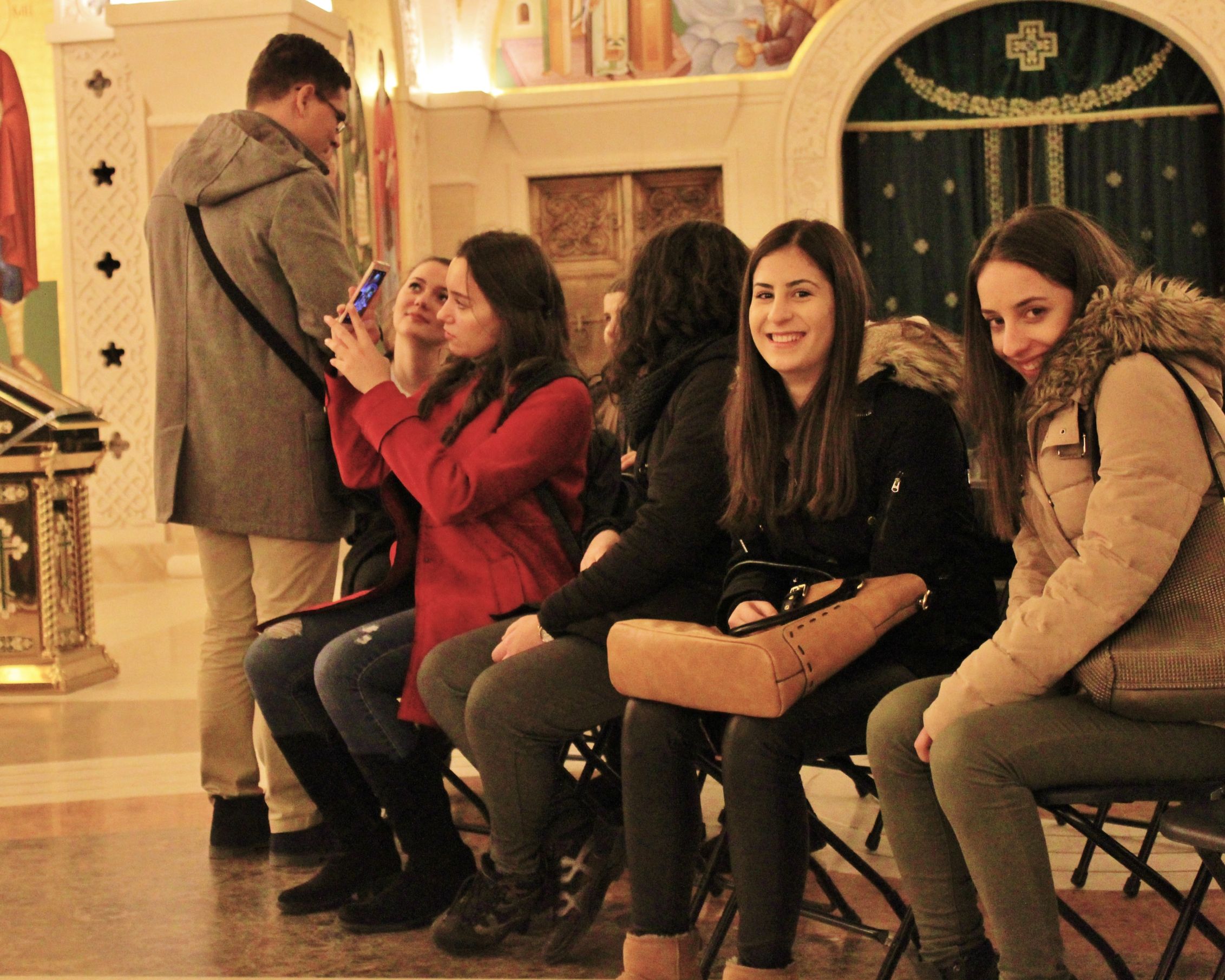
Since 2016, we have been developing educational programmes that bring together young people from different communities and educational environments across the region, creating opportunities for encounter, dialogue, and collaborative learning. Through initiatives such as Belgrade High School Students in Timișoara, In Search of Common Heritage, and Meetings of High School Students, we have connected students from both majority and minority communities, including young people from the Hungarian minority in Serbia, the Serbian minority in Croatia and Romania, as well as their peers from Belgrade and other cities across the region.
Built on the belief that understanding diversity is best achieved through direct interaction and shared experiences, these programmes provide a space where young people can explore their common cultural heritage, challenge stereotypes, and develop a deeper understanding of human rights, democratic values, and active citizenship. Rather than viewing differences as barriers, participants learn to recognize diversity as an integral part of a shared cultural and social landscape.
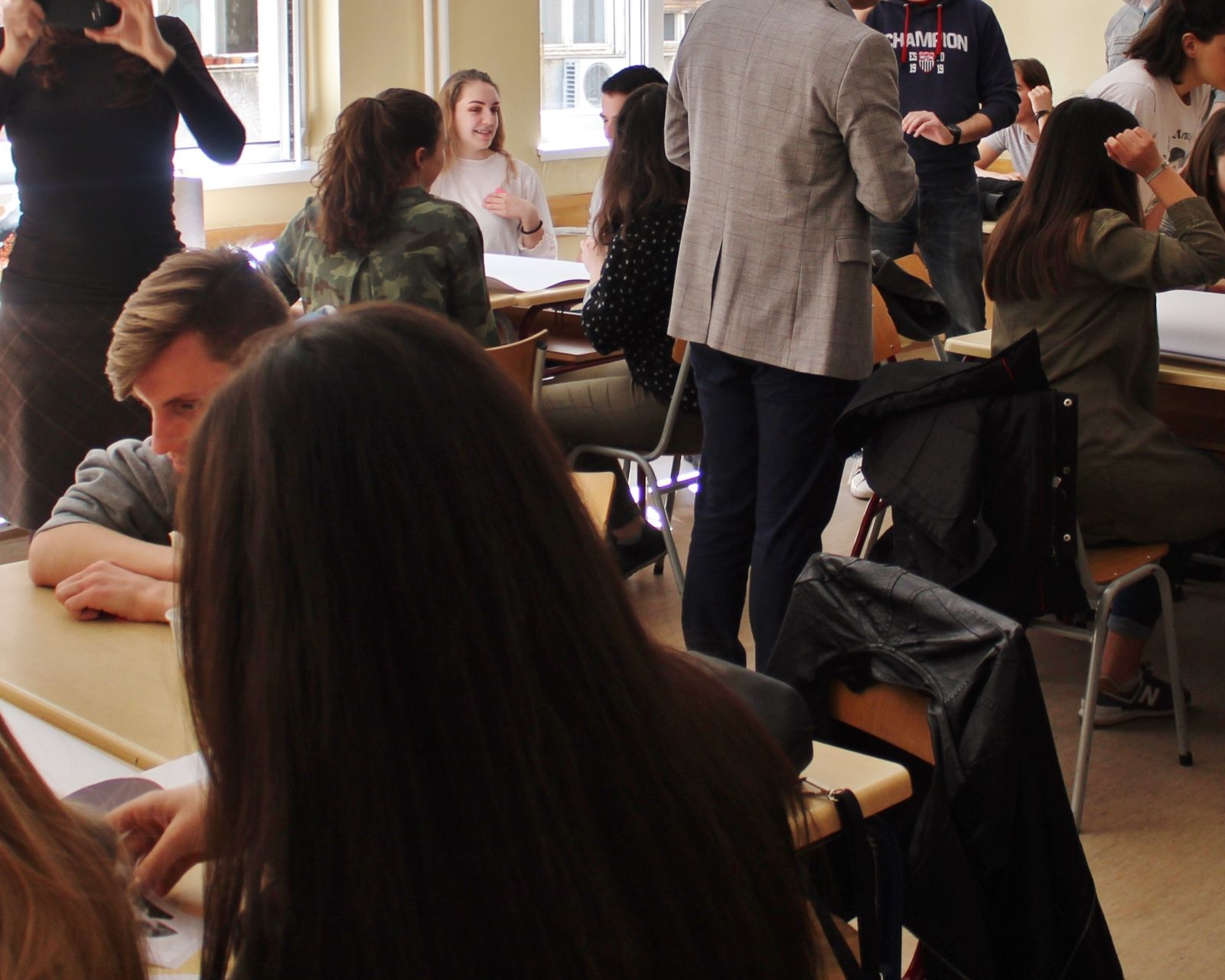
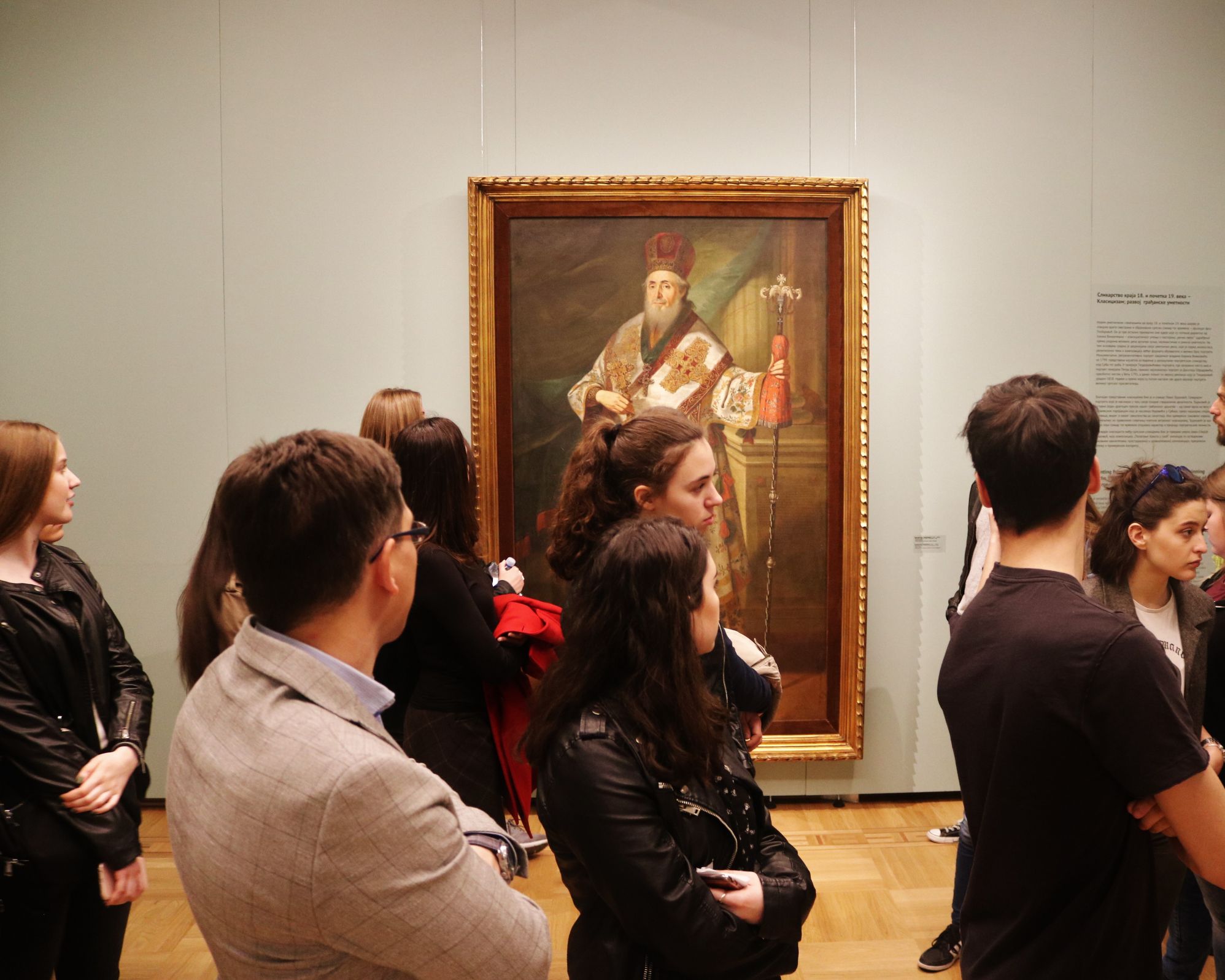
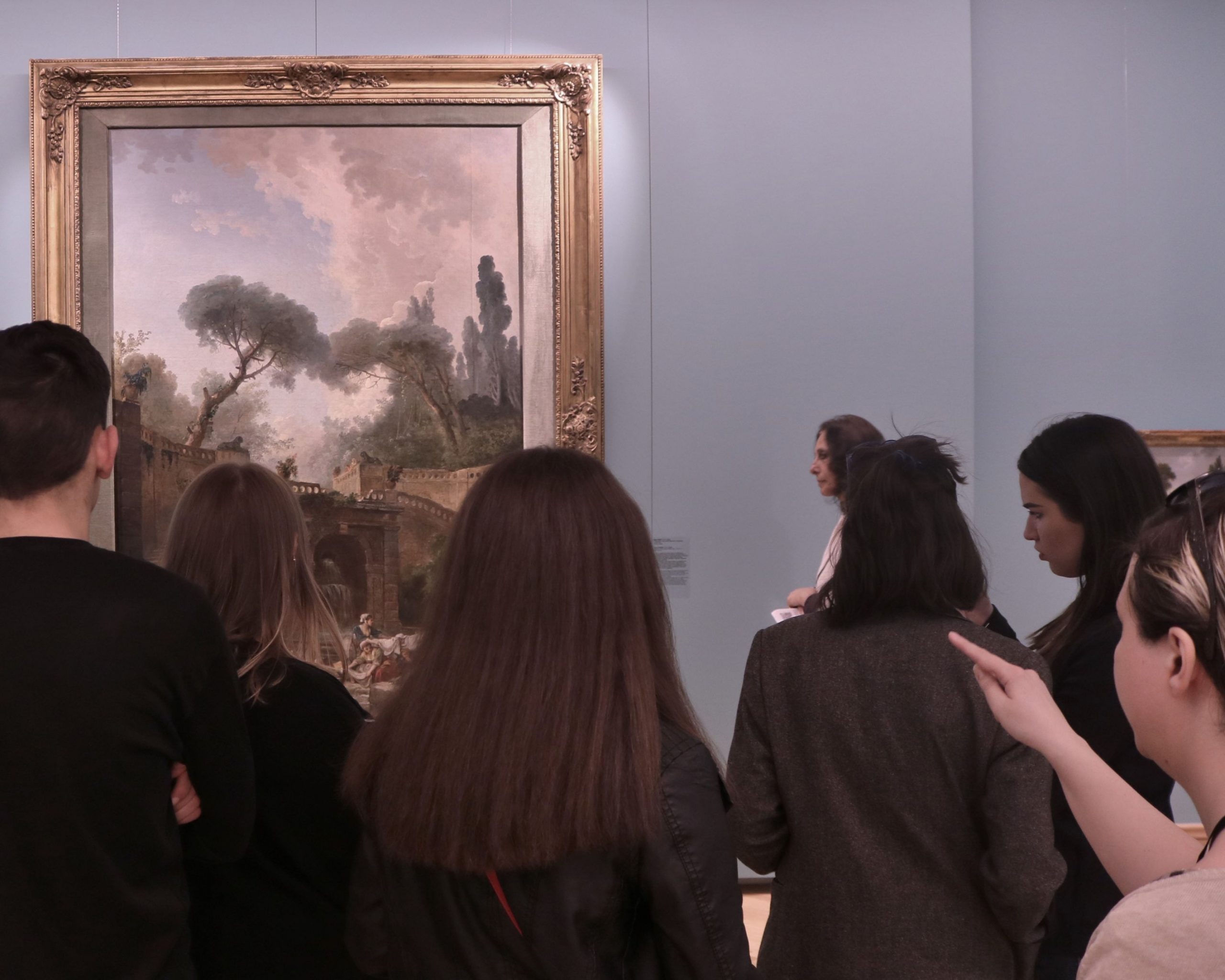
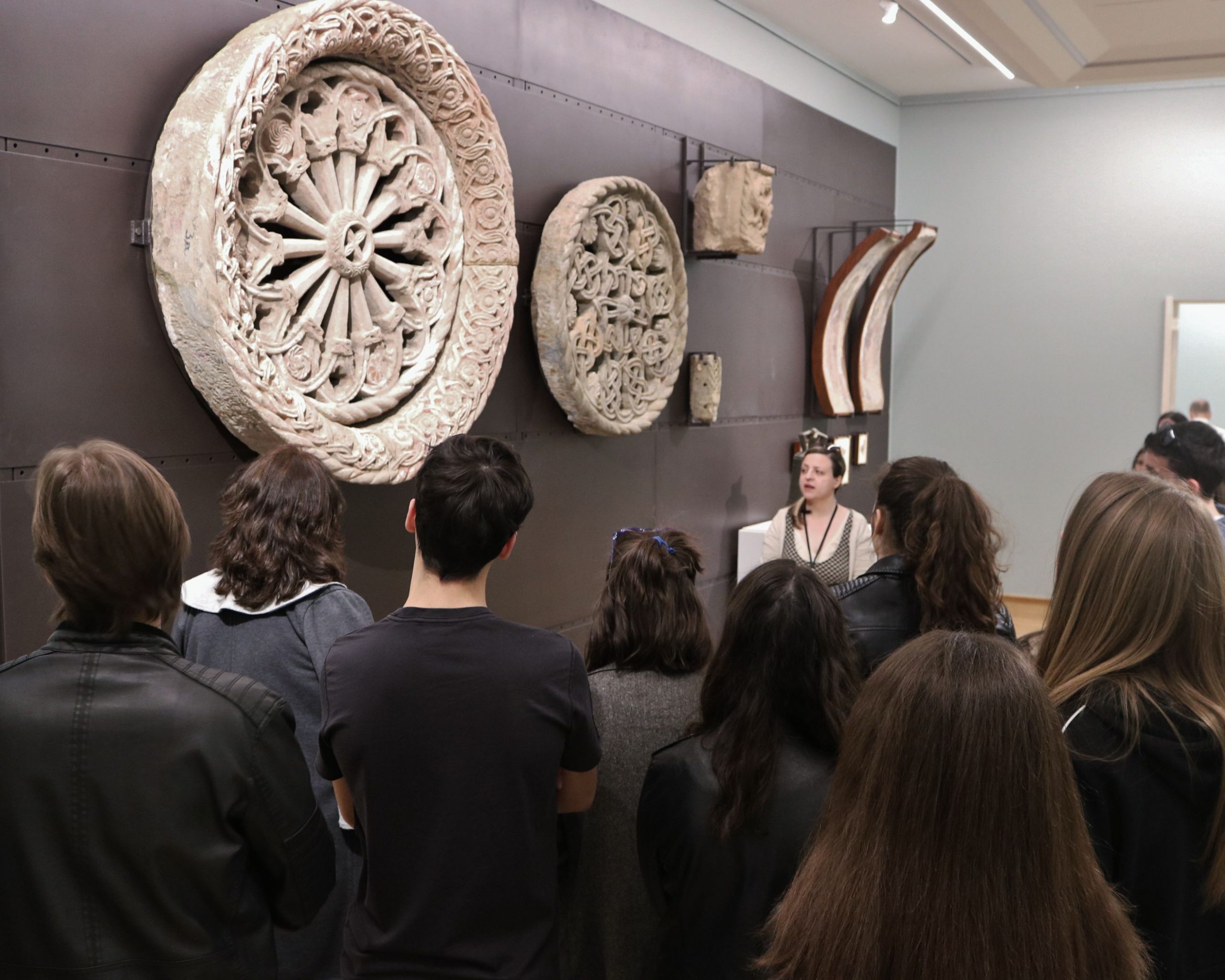
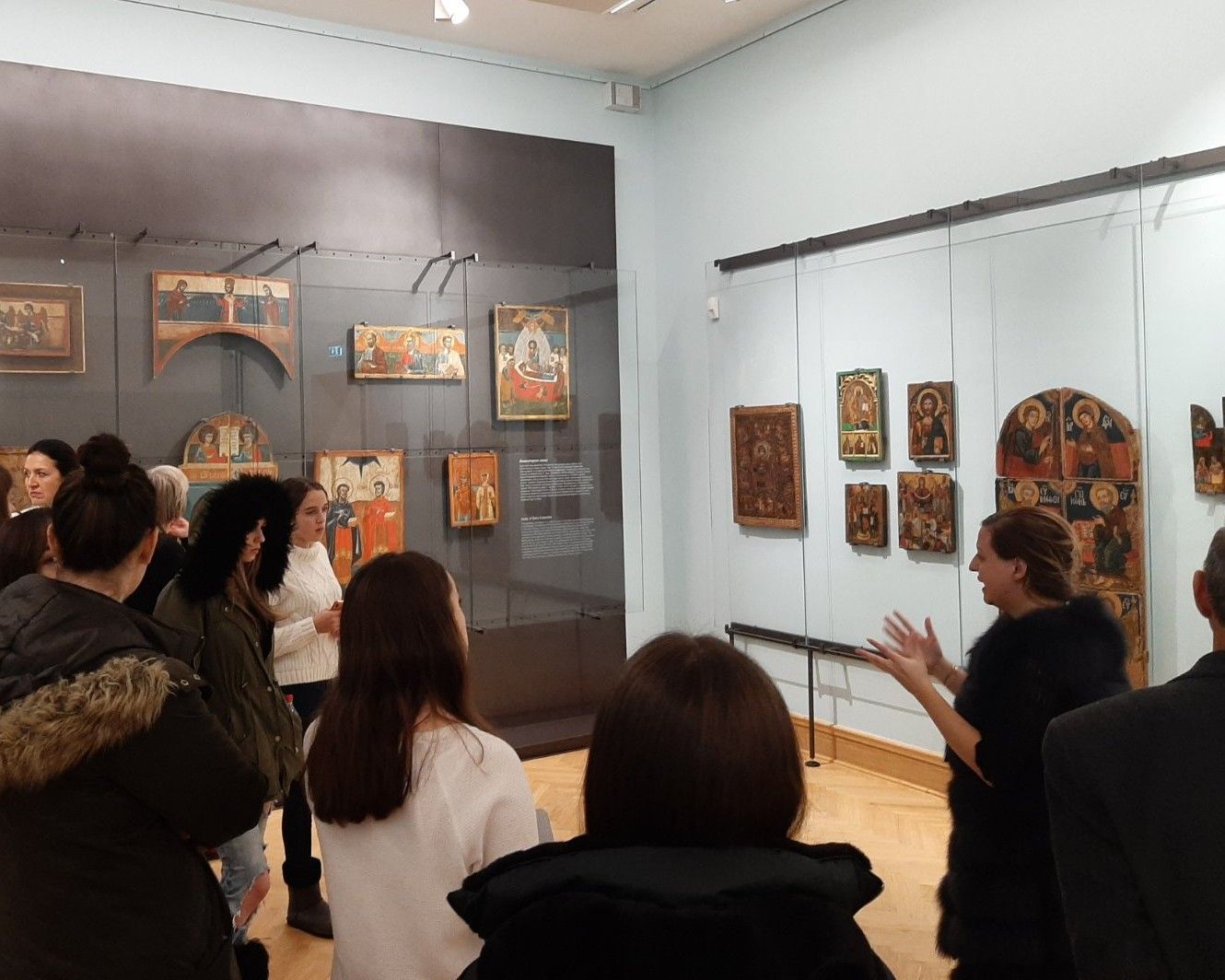
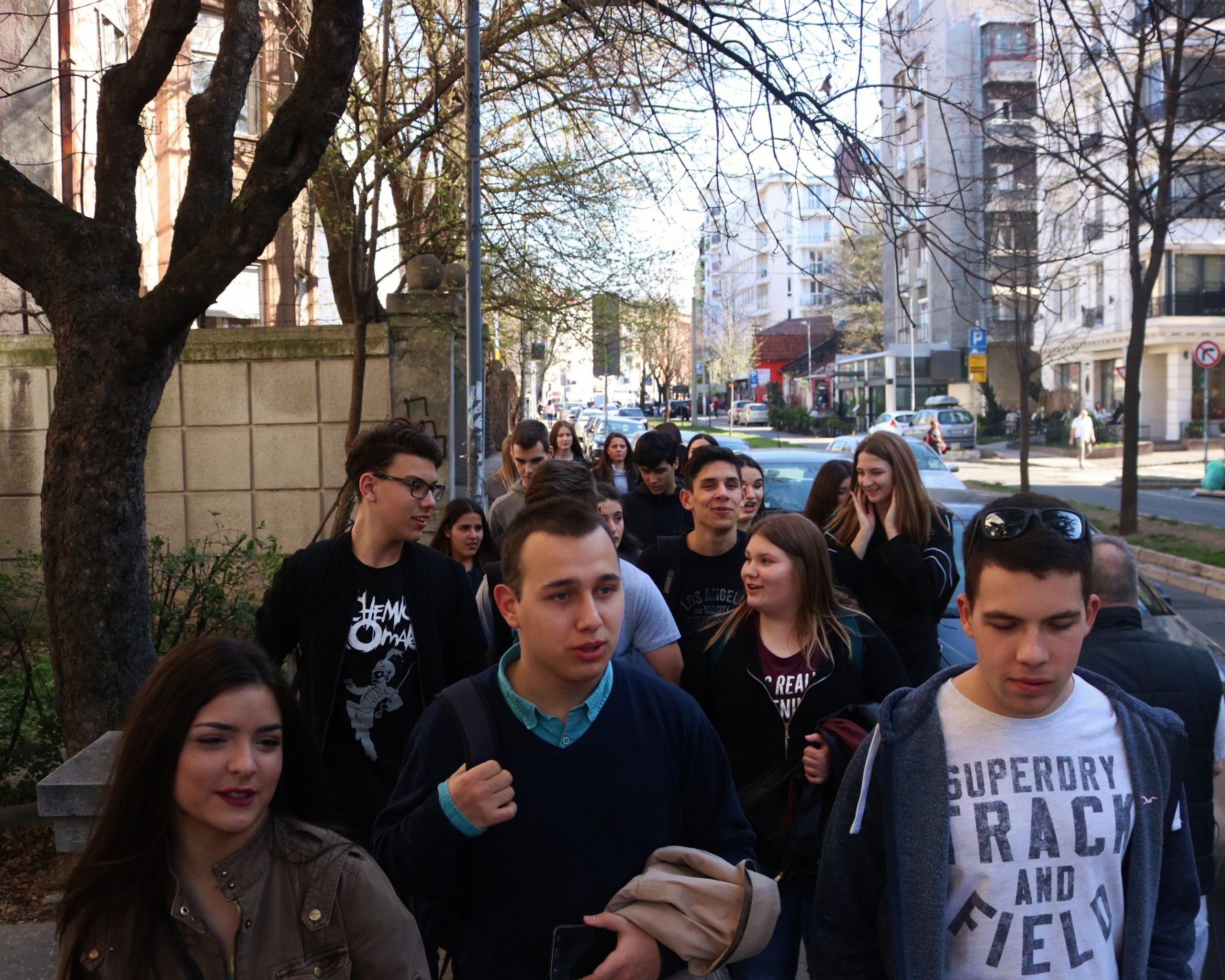
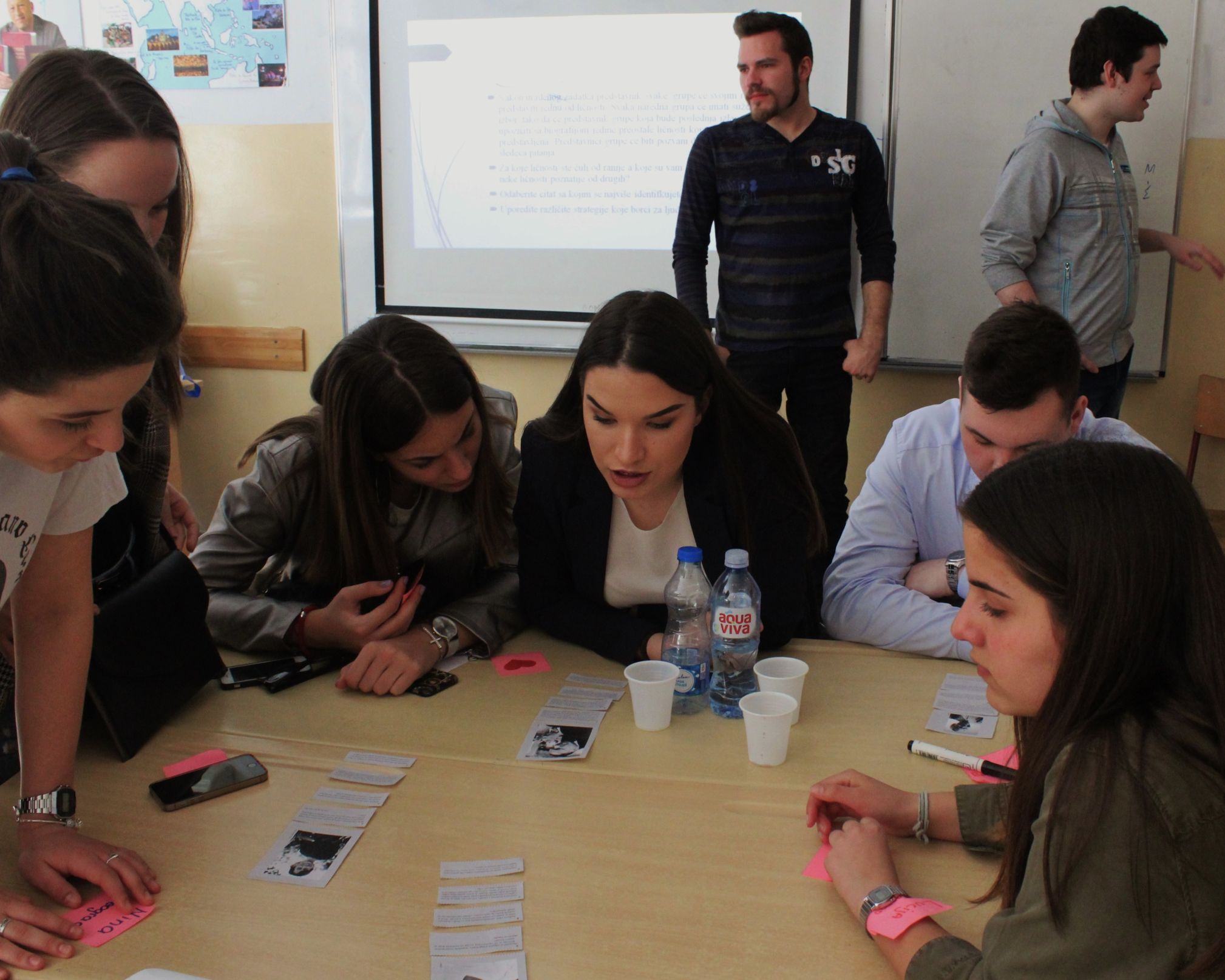
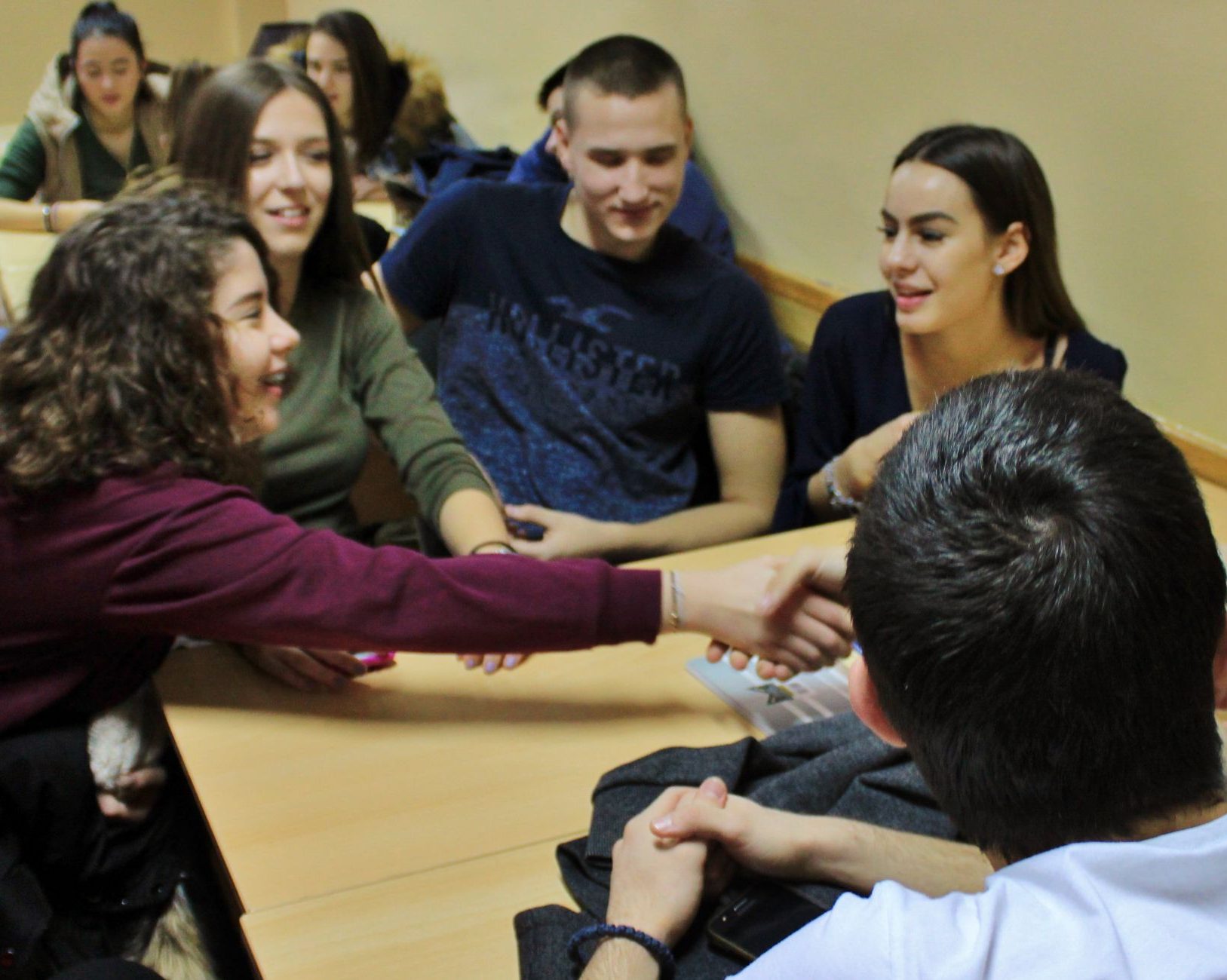
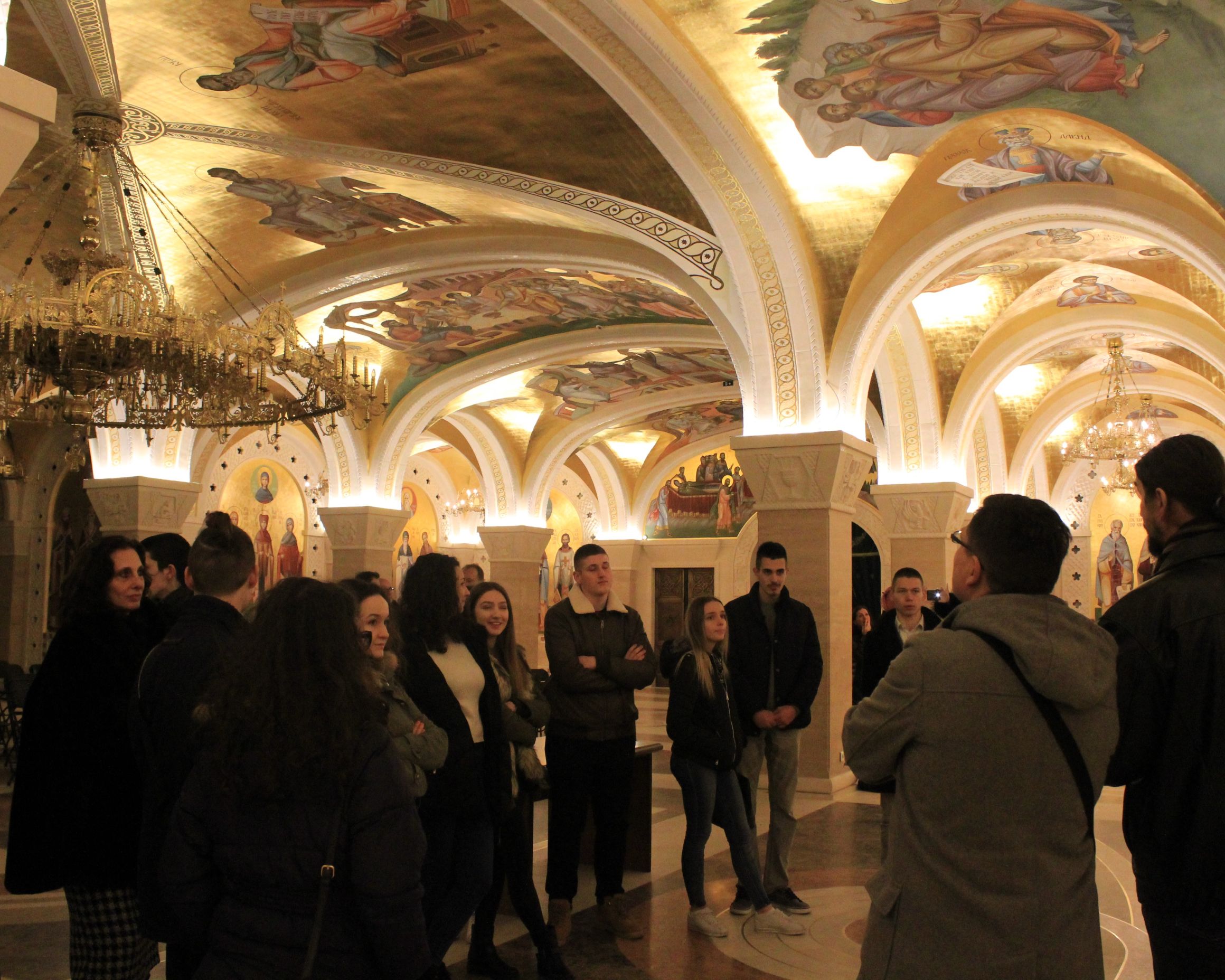
Through workshops, debates, study visits, and cultural activities, participants are exposed to different perspectives, discuss challenges faced by their communities, and reflect on the role of education in fostering more inclusive societies. Particular attention is given to highlighting the contributions of national minorities to the cultural, social, and historical development of the region, while promoting mutual respect, trust, and understanding.
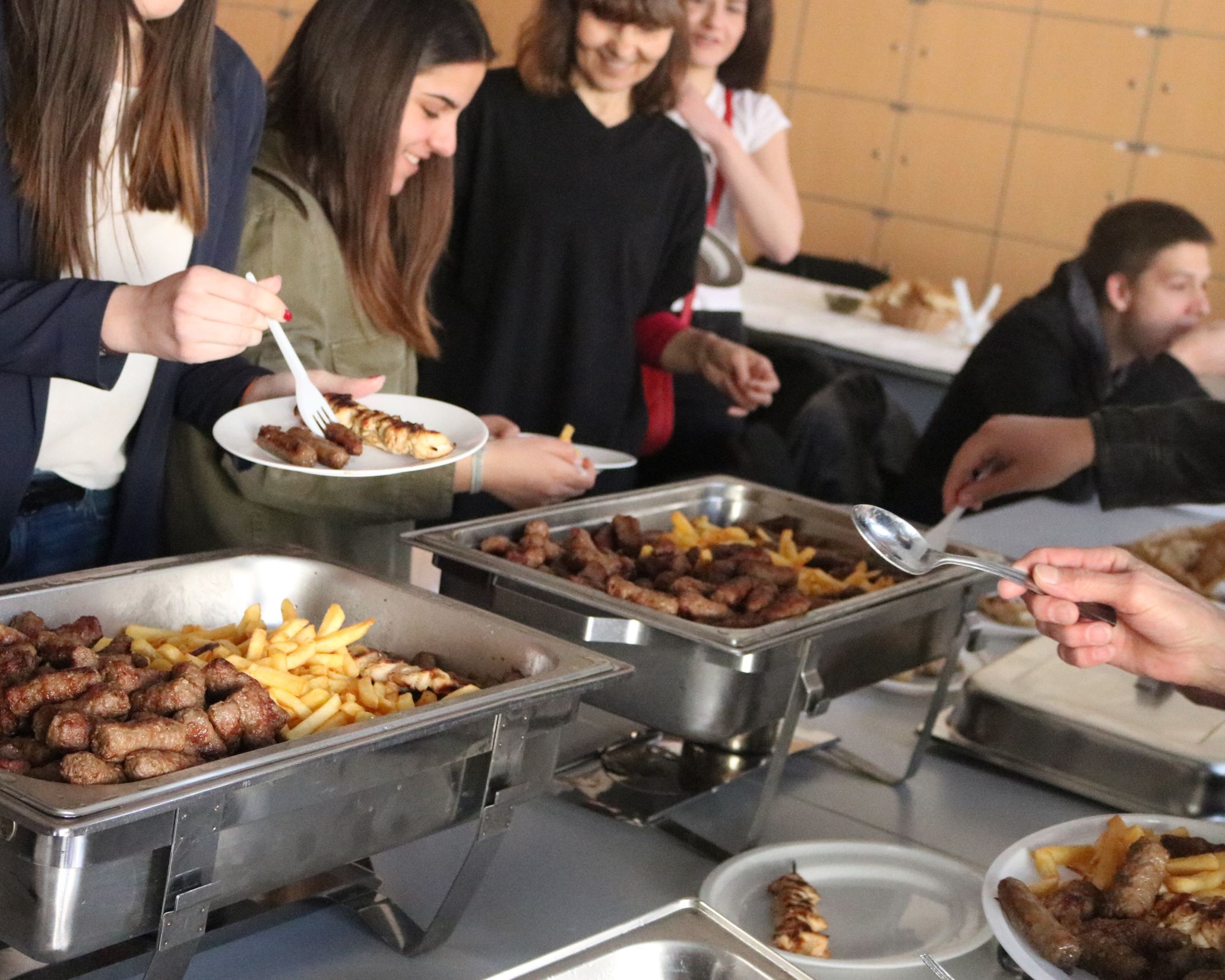
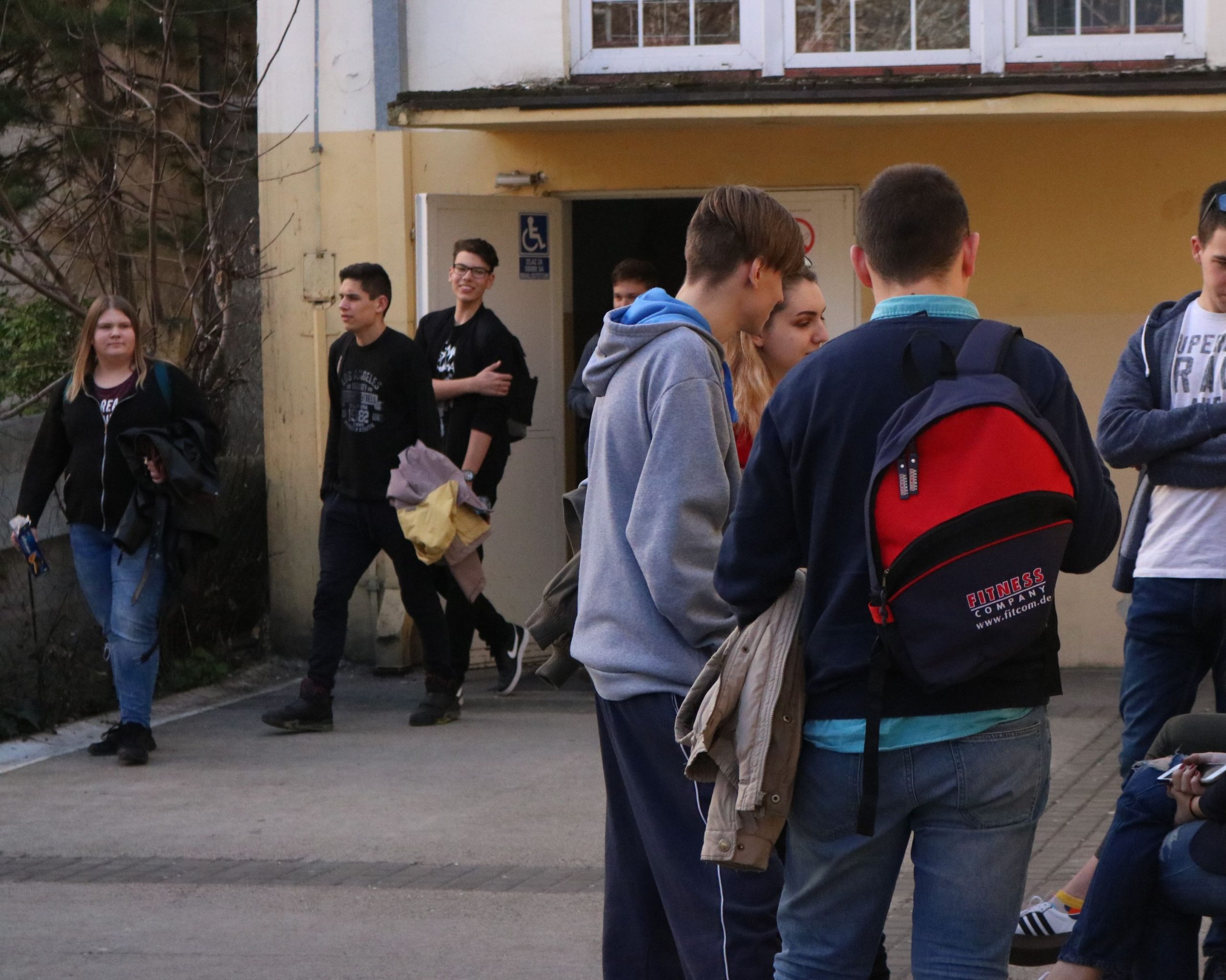
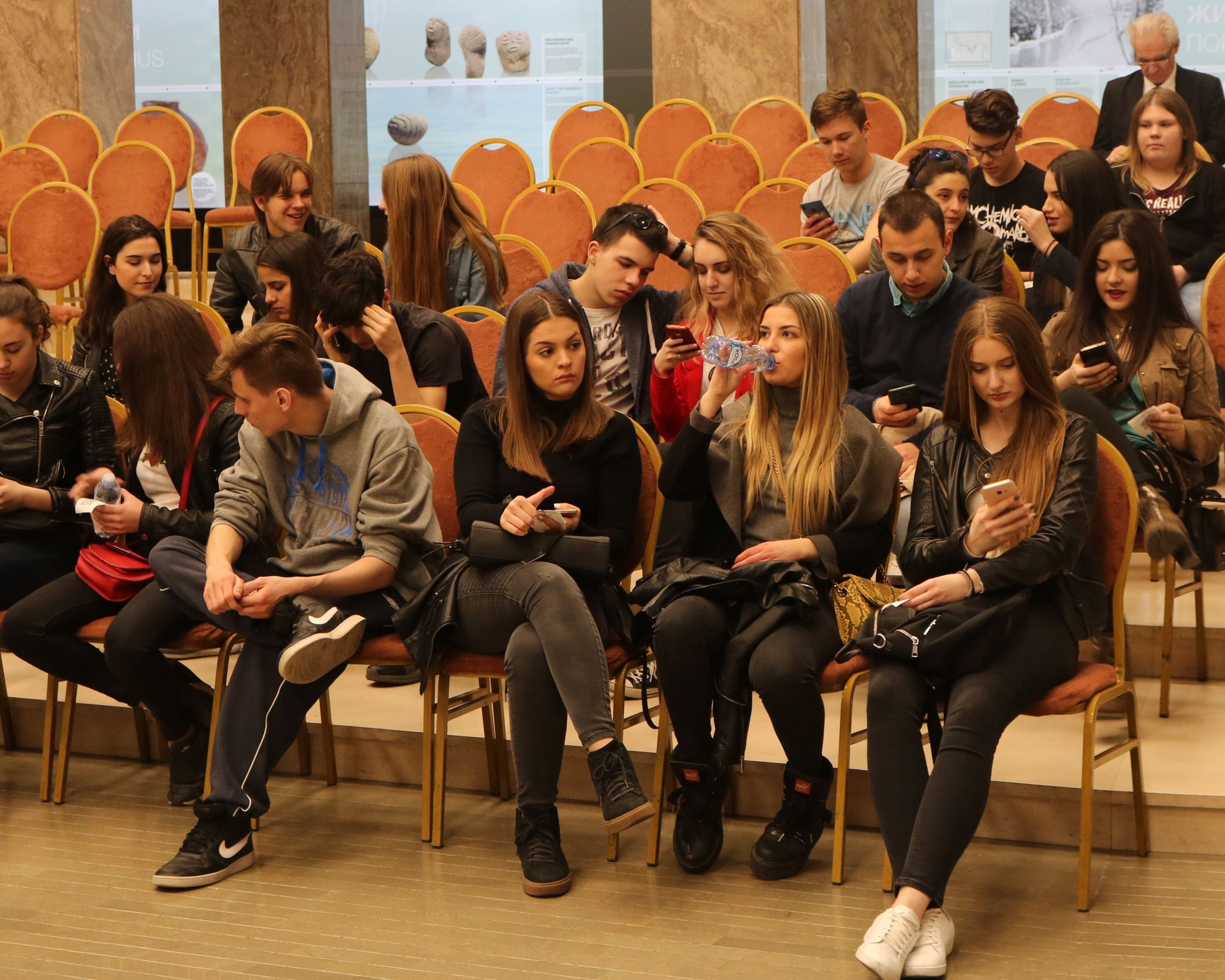
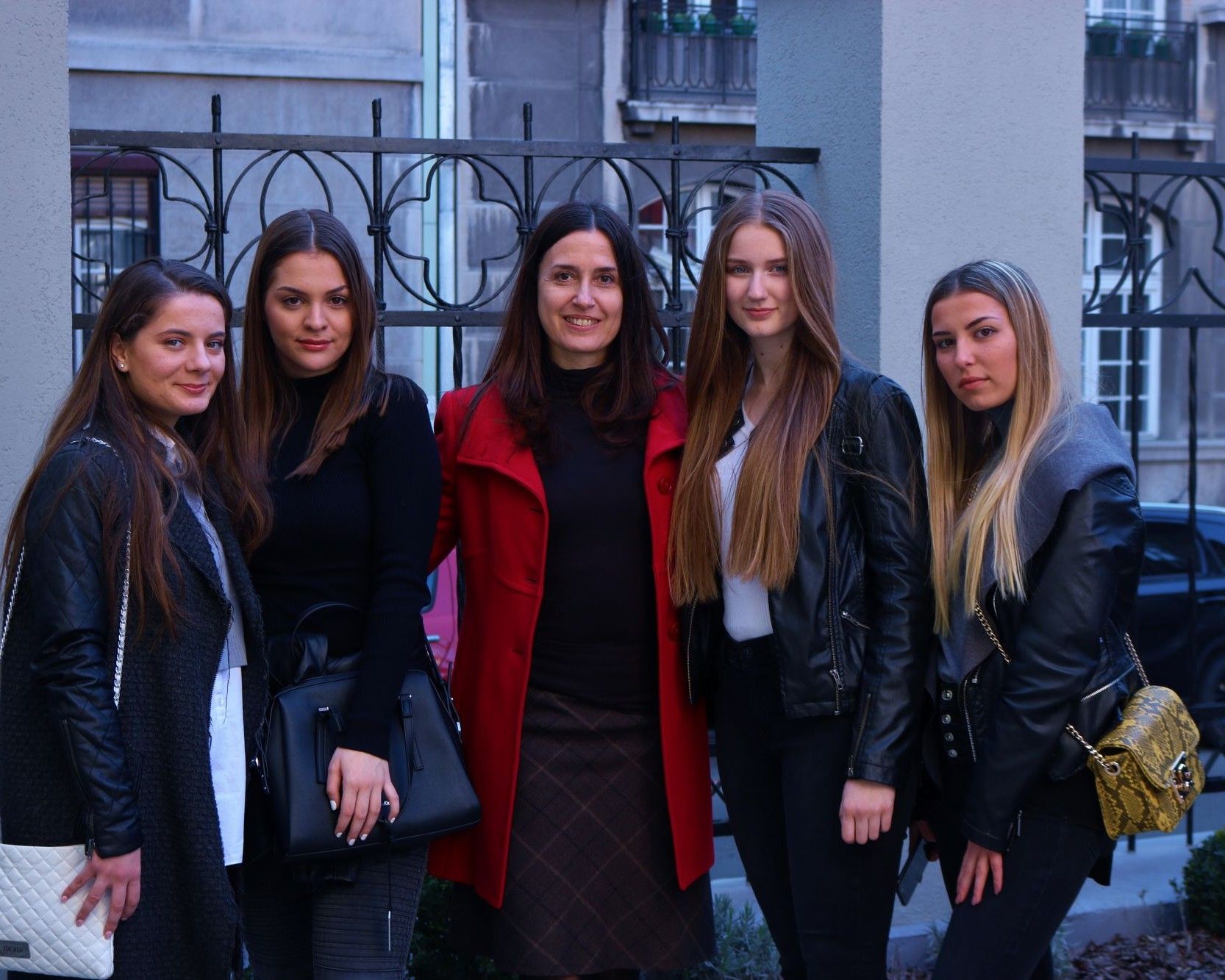
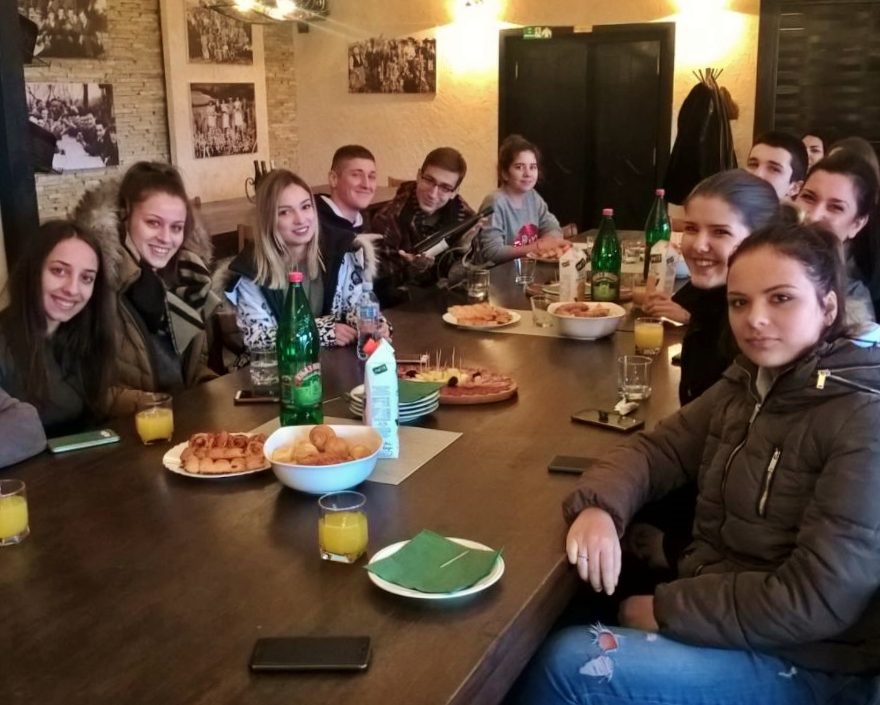
These encounters are designed not merely as educational programmes, but as platforms for building lasting connections among young people. Staying with host families, participating in joint activities, and spending time together outside formal sessions allow participants to form friendships and gain first-hand experience of life in neighbouring cultural environments. In this way, intercultural dialogue becomes a lived experience rather than simply a topic discussed in the classroom.
We believe that initiatives of this kind contribute to raising generations of young people who appreciate diversity, are willing to cooperate across borders and identities, and are committed to building democratic, inclusive, and cohesive societies.