Education, Dialogue and Shared Heritage
OUR PROJECTS WITH NATIONAL MINORITIES
Our projects with national minorities are based on the belief that education is the most powerful tool for building an inclusive, democratic, and multiethnic society.
Through regional initiatives connecting Serbia with Romania, Croatia, and Hungary, we develop programs that promote intercultural dialogue, understanding of historical ties, and affirmation of shared cultural heritage. At the heart of all activities are young people, as the future bearers of cooperation, tolerance, and regional stability.
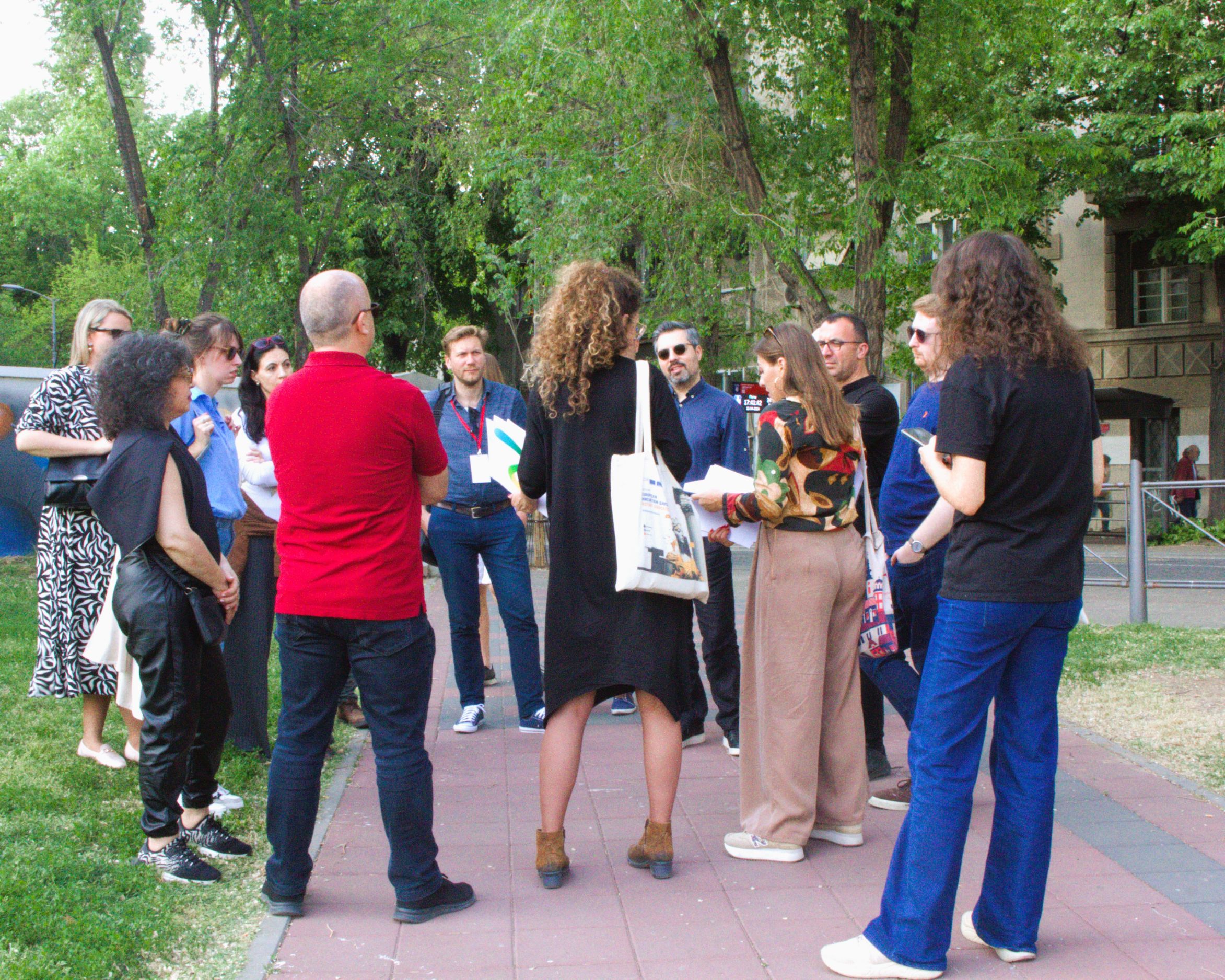
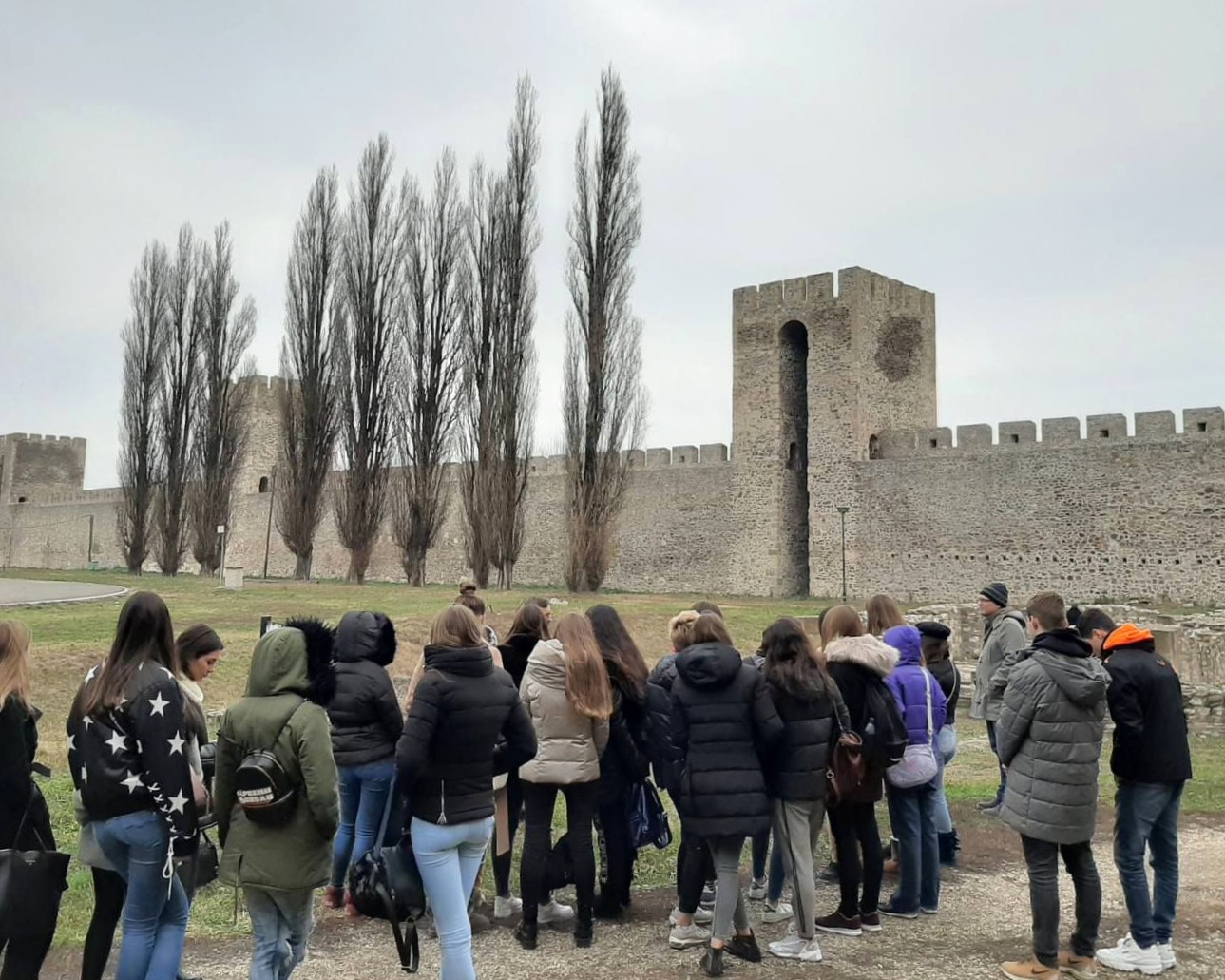
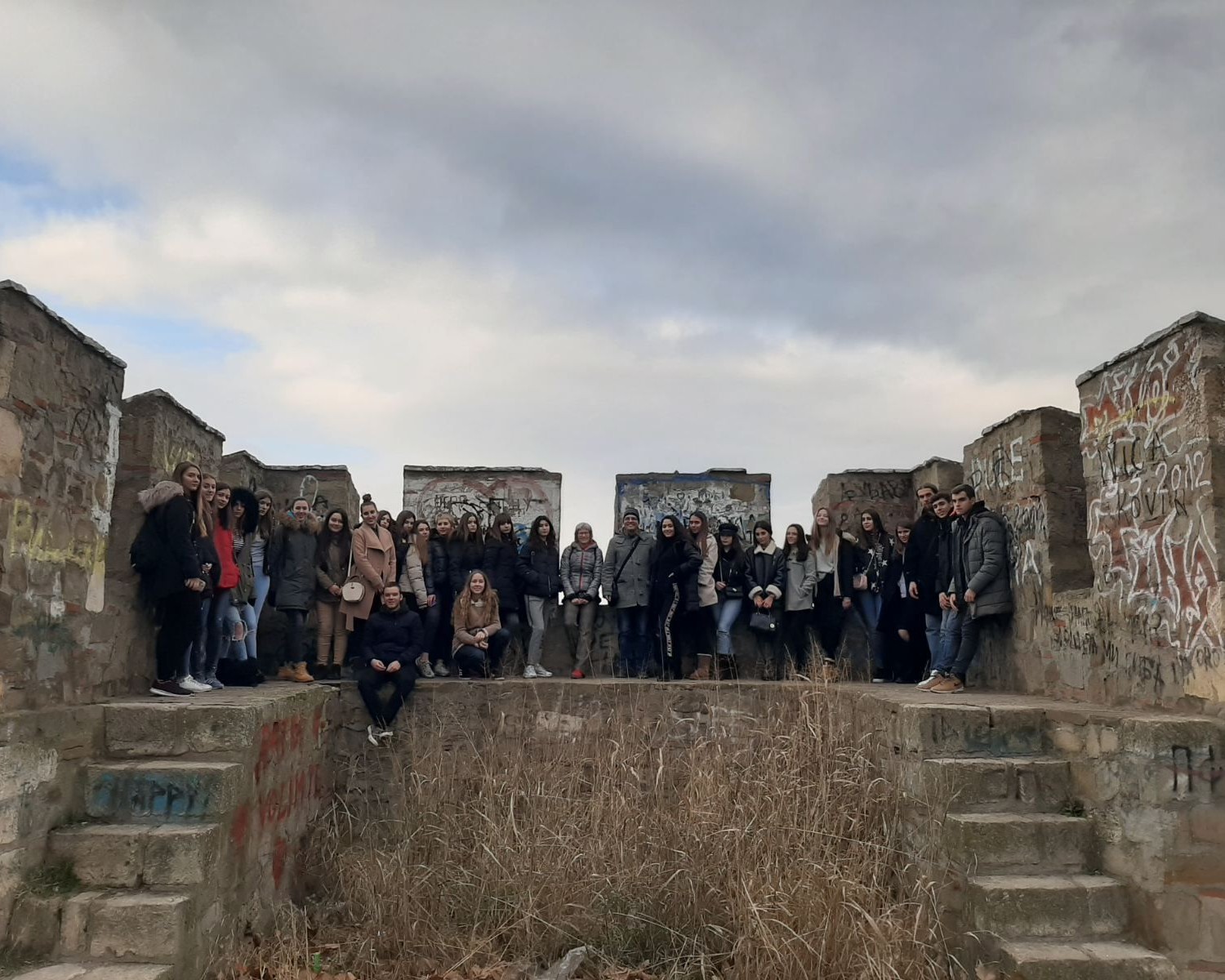
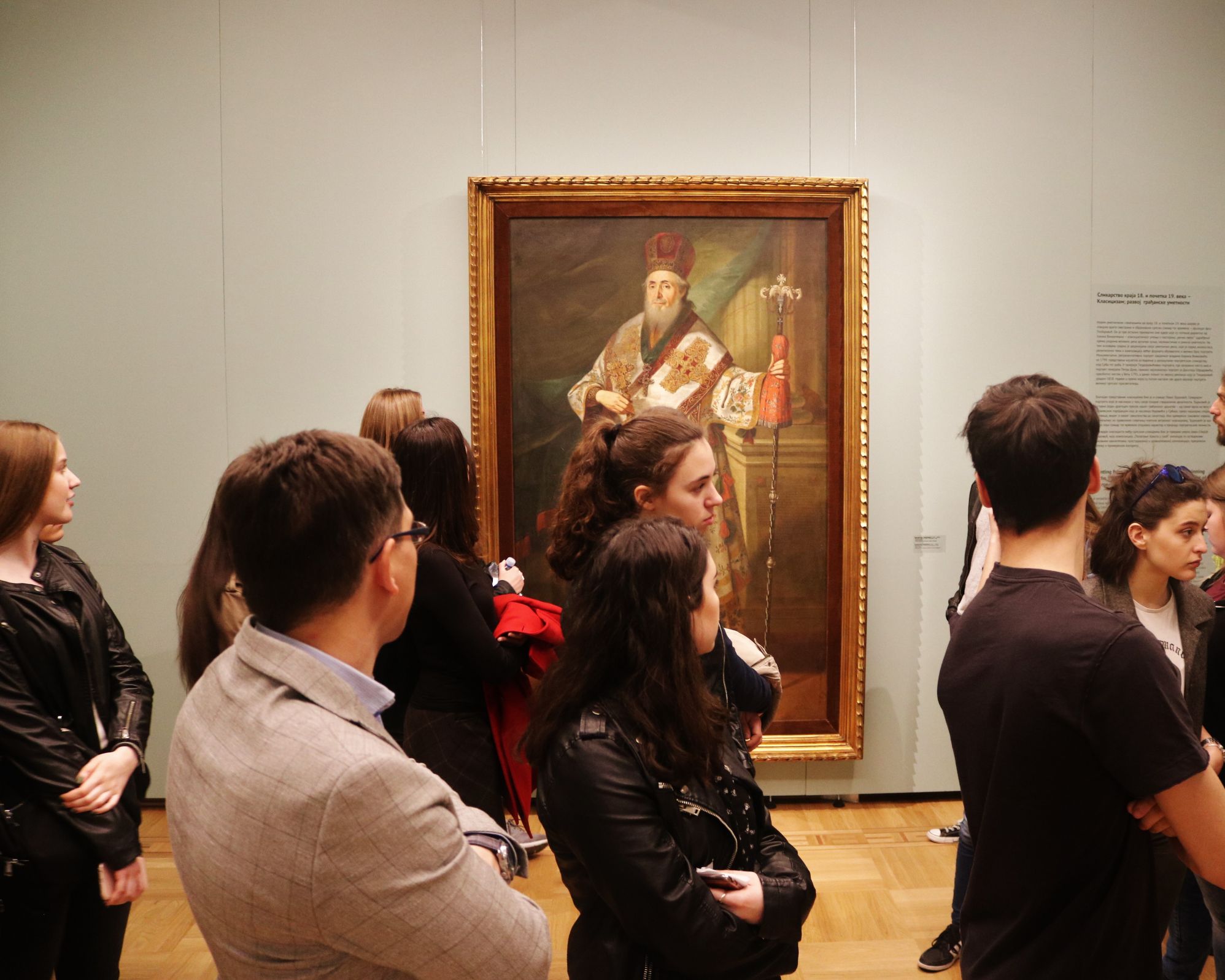
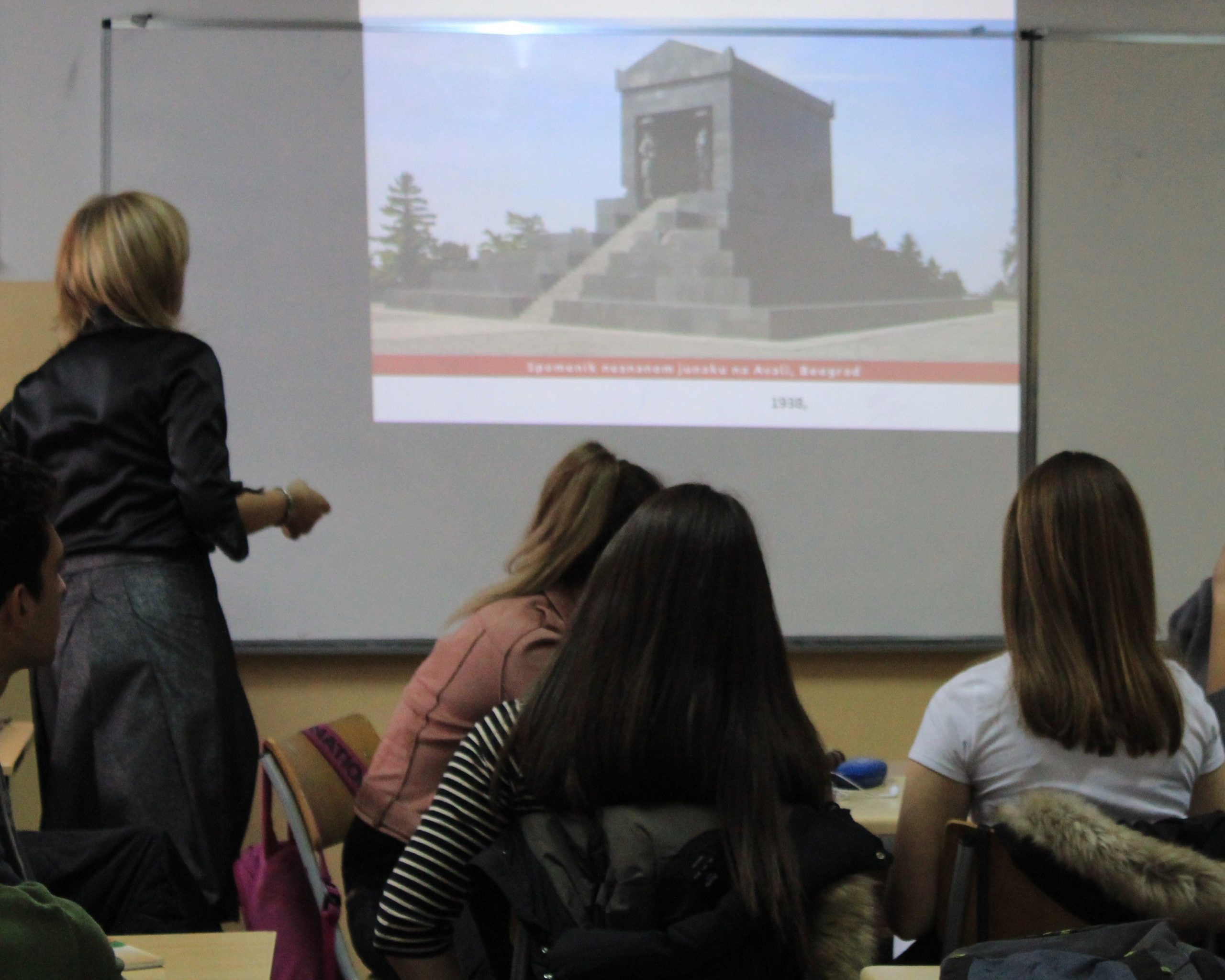
Our programs include exchanges between high school students, joint research on historical and cultural connections, field visits to schools, religious and cultural institutions, as well as work on multimedia content and public presentations. We pay particular attention to the Serbian community in Romania, as well as the relationships among Serbian, Hungarian, Croatian, and other communities in the region, highlighting mutual influences and historical connections.
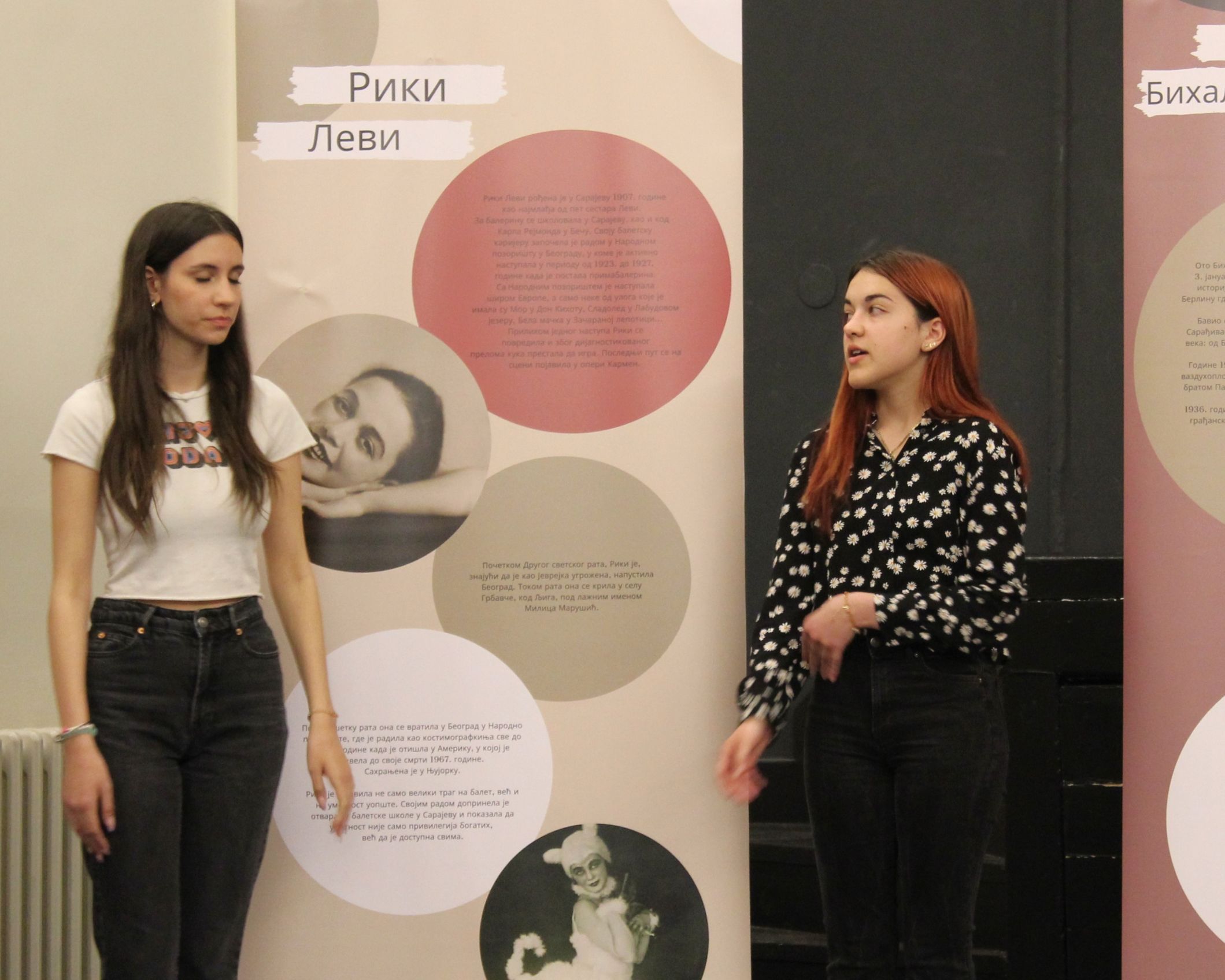
Through projects such as High School Student Meetings, the program In Search of Shared Heritage, initiatives promoting the multiconfessional character of Belgrade, and research on Jewish, Muslim, and other minority communities, we encourage young people to understand the complexity of identity and the importance of minority rights in contemporary society.
Our approach is based on the understanding that minority rights are not an isolated issue but a key element of democratic development. Through education, fieldwork, and regional cooperation, we:
– strengthen the capacity of young people for intercultural dialogue
– promote understanding of shared history and mutual influences
– empower national minorities through visibility and participation
– contribute to building a society based on equality, tolerance, and respect for diversity
In this way, our projects not only connect schools and communities but also create lasting bridges between cultures, identities, and generations.
OUR EXPERT CONTRIBUTIONS AND PUBLICATIONS ON NATIONAL MINORITIES
In addition to practical projects and educational initiatives, our experts have developed significant publications that contribute to improving the visibility, representation, and protection of national minorities in education in Serbia.
The joint initiative of the Council of Europe and the European Union – EU and Council of Europe Support Program for the Western Balkans and Turkey (Horizontal Facility for the Western Balkans and Turkey) – was launched to support stakeholders in Southeastern Europe and Turkey in complying with Council of Europe standards and EU requirements within the accession process. Activities under the project “Strengthening the Protection of National Minorities in Serbia” are based on the conclusions and recommendations of the Council of Europe monitoring bodies, with one of the key objectives being the raising of awareness about national minorities, their rights, and the promotion of tolerance. The initiative strengthens the capacity of institutions to ensure adequate representation of national minorities in education and improves public knowledge about their rights and culture. The approach to analyzing current curricula and educational standards for primary and secondary education is based on the Framework Convention for the Protection of National Minorities (Articles 4.23, 6.14, and 12.15), the European Charter for Regional or Minority Languages and its Explanatory Report (Articles 7.3 and 8.1.g), as well as other Council of Europe recommendations, particularly regarding history education.
Within this project, Prof. Dr. Marko Šuica, Associate Professor at the Department of History, Faculty of Philosophy, University of Belgrade, and programme director of Education for the 21st century made a key expert contribution to the development and authorship of publications providing practical and theoretical tools for enhancing inclusive education, strengthening intercultural understanding, and preserving the cultural and historical heritage of national minorities in Serbia. Among these publications are:
-
Guidelines for Adequate Representation of National Minorities in Curricula and Textbook Content in the Republic of Serbia, 2018
About the publication: This publication provides practical and expert guidelines for inclusive representation of national minorities in curricula and textbooks. Its goal is to empower teachers to promote pluralism, tolerance, and intercultural understanding through education, while preserving the cultural and historical heritage of minority communities. -
Report on the Representation of National Minorities in Curricula and Educational Standards of the Republic of Serbia, 2018
About the publication: This report analyzes how and to what extent national minorities are represented in Serbia’s educational programs and standards, providing concrete recommendations for curriculum improvement and the development of inclusive teaching practices. -
Report on the Representation and Presentation of National Minorities in School Textbooks in the Republic of Serbia
About the publication: This publication examines how national minorities are presented in school textbooks, identifying challenges and proposing improvements for accurate, balanced, and responsible representation of minority communities. -
The Onsite Remembrance Learning Toolkit
Onsite Remembrance Learning Toolkit was created in 2023, thanks to the creativity and dedication of teachers who participated in our contest, “Sites of Memory as an Inspiration for Democratic Learning.” A total of 21 lesson and project activity plans were selected and published under the auspices of the Ministry of Education of the Republic of Serbia, with a special focus on national minorities, their history, culture, and contributions to Serbian society.
These publications serve as both theoretical and practical tools, enabling inclusive and responsible representation of national minorities in education, fostering critical thinking, promoting tolerance and intercultural understanding, and enhancing the visibility and participation of national minorities within Serbia’s educational system.