Project Introduction
Classrooms across Europe are becoming increasingly diverse, while debates around contested monuments, historical figures, and public memory are intensifying worldwide. Contested historical legacies in public spaces often spark broader discussions—and sometimes conflicts—around cultural heritage, identity, and the ways national histories are interpreted and taught.
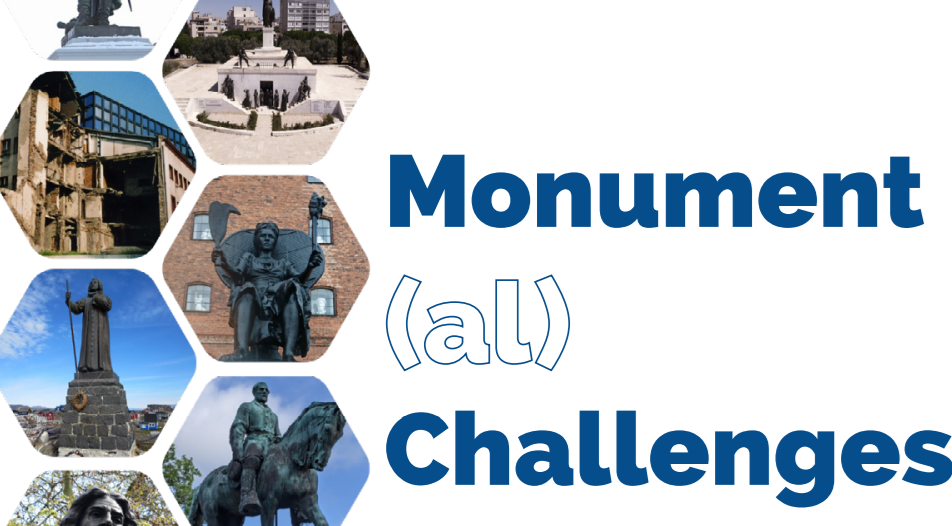
Monument(al) Challenges is a project by EuroClio, developed in close collaboration with the Contested Histories Initiative and funded by the European Union. The project directly addresses the evolving needs of history teachers across Europe. Its core mission is to support teachers in engaging with sensitive and complex historical topics—such as colonialism, slavery, authoritarianism, and political repression—by providing practical tools, professional training, and the confidence required to address these subjects in the classroom.
Consortium
The Monument(al) Challenges consortium brings together educational institutions and civil society organizations with strong expertise in history teaching, cultural heritage, and teacher education.
-
HistorieLab (Denmark) – A national center based at University College Lillebælt, specializing in applied research and innovation in history and civic education, with extensive experience in cultural heritage projects and teacher training.
-
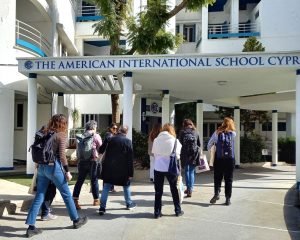
American International School in Cyprus (AISC) – An International Baccalaureate-accredited school with a highly diverse student body, committed to promoting diversity, inclusion, and critical historical understanding through history and civic education.
-
Education for the 21st Century (Serbia) – A non-profit organization dedicated to educational reform and human rights education, with a strong focus on teacher training, youth engagement, and international projects in education and cultural heritage.
Working together, consortium partners integrate research, pedagogy, and classroom practice to develop innovative educational resources focused on contested cultural heritage. All materials are tested in real classroom settings and teacher training sessions to ensure their relevance, quality, and real-world impact. Project results are disseminated through various educational formats, supporting the continuous professional development of teachers at local, national, and European levels.
Project Outcomes
Monument(al) Challenges produces an integrated set of research-based and practical outputs, including:
-
Educational Tool – “Monument(al) Challenges”
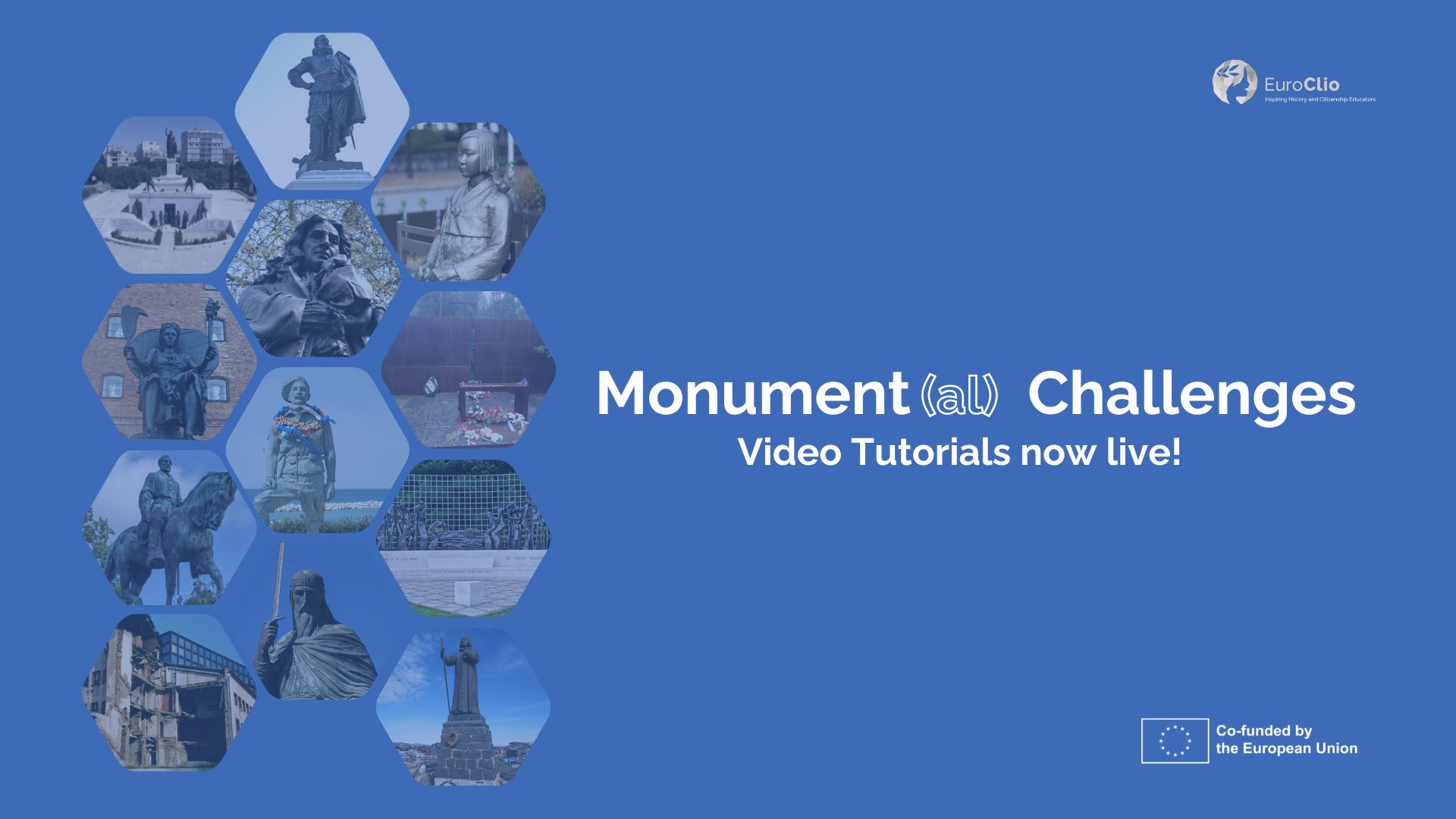
Provides pedagogical frameworks and guidelines for teaching contested and sensitive histories through 12 lesson plans based on monuments and public heritage. The lessons address themes such as changing values over time, media literacy, conflict resolution, multiperspectivity, and teaching contested histories, aiming to foster critical thinking and dialogue among students.Key Monuments and Sites Covered in the Lesson Plans:
-
Jan Pieterszoon Coen Monument, Hoorn, Netherlands
-
Stefan Lazarević Monuments, Serbia
-
Robert E. Lee Monument, Charlottesville, USA
-
Katyn Massacre Memorial, Poland
-
Hans Egede Monument, Nuuk, Greenland
-
Edward Colston Monument, Bristol, UK
-
Liberty Monument, Nicosia, Cyprus
-
Indisch Monument, The Hague, Netherlands
-
“Comfort Women” Monuments, Seoul, South Korea
-
EOKA/Grivas Monuments, Limassol and Paphos, Cyprus
-
Queen Mary Monument, Copenhagen, Denmark
-
RTS Building, Belgrade, Serbia
-
-
Self-paced online course – Designed for flexible, accredited teacher professional development, based on the project’s educational tool.
-
Video tutorials – Based on selected case studies (e.g., contested monuments and sites in Seoul, Hoorn, and Belgrade), offering practical guidance on topics such as colonialism, sexualized violence in historical conflicts, and multiperspectivity.
-
Webinars – Delivered in collaboration with project partners and the Contested Histories Initiative, providing practical approaches and expert insights for teaching contested histories in diverse classrooms.
-
Research publications – Including peer-reviewed articles on emotional responses, historical thinking, and pedagogical challenges in teaching contested histories.
-
Questionnaire database– Collects insights from teachers and participants to improve evidence-based practices and inform future research.
-
Set of Critical Classroom Incidents– Illustrates real teaching challenges and provides reflective tools for teachers and teacher educators.
-
Quality assurance and risk management plan – Ensures high standards, ethical principles, and sustainability of all project activities and outcomes.